Affordability Without Compromise – Reflections from Our Recent Webinar
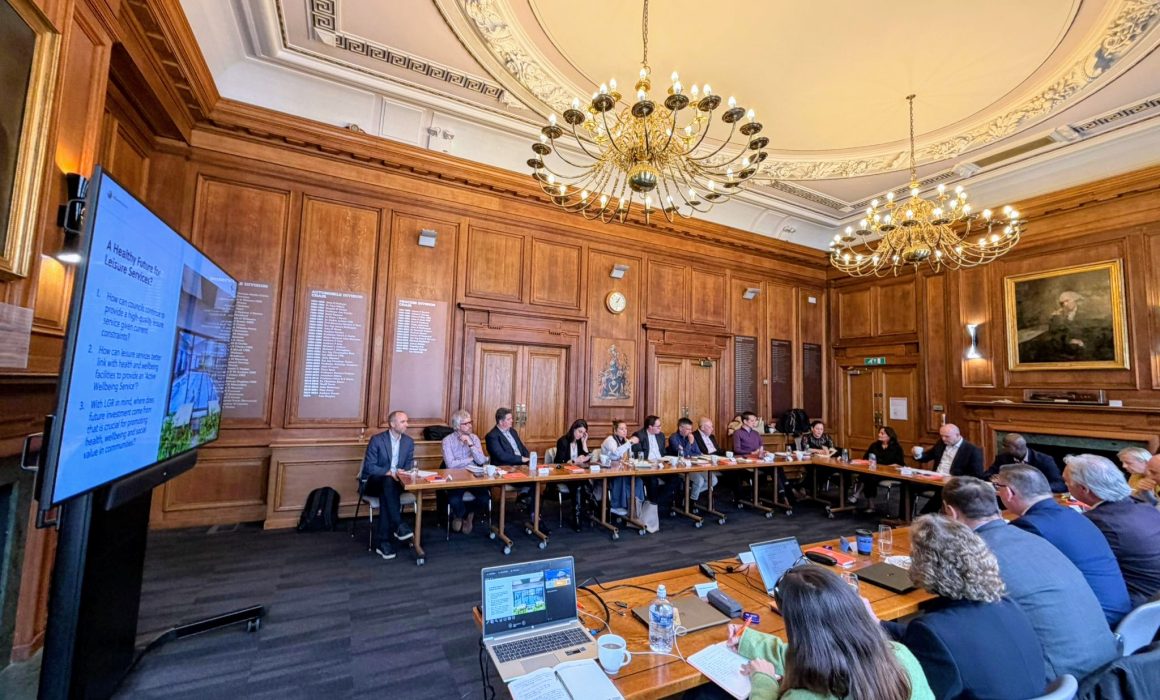
In April, we brought together a panel of industry specialists for our Affordablility Webinar to discuss one of the biggest challenges facing public leisure today: how do we continue delivering high-quality, future-ready facilities while navigating increasing financial pressure?
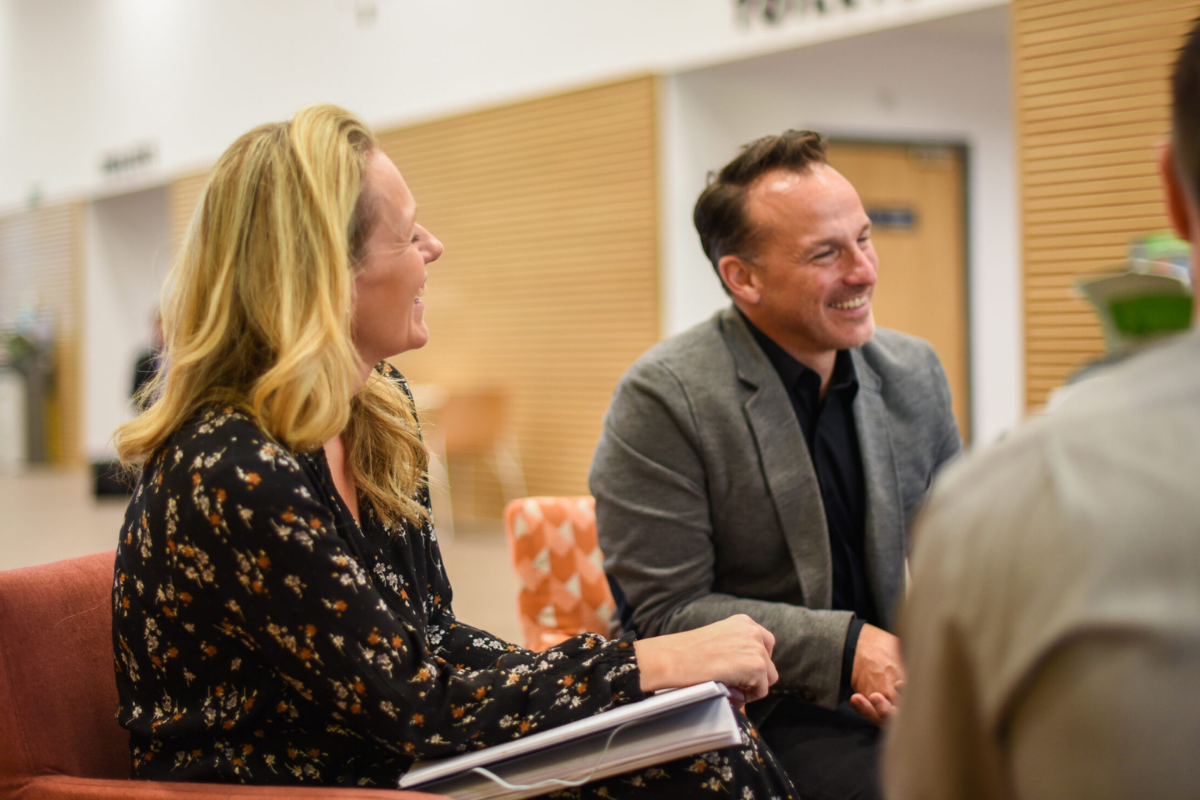
Hosted by James Foley, Commercial Director at Alliance Leisure, the session featured valuable insight from Bastin Bloomfield of Roberts Limbrick, Paul Jackson of Abacus and David Helmsley of Design Active. Together, the panel explored the realities local authorities and leisure operators are facing and importantly, what can be done to respond effectively.
Key Takeaways:
- Affordability challenges are being driven by long-term market changes, not short-term fluctuations
- Early-stage budgets must properly reflect risk, compliance and whole-life costs
- Focusing only on reducing capital spend can create greater long-term financial pressure
- Good design improves long term value through efficiency, durability and operational performance
- Leisure facilities should be viewed as long-term community infrastructure, not short-term projects
What quickly became clear was just how complicated the current landscape has become for operators and local authorities alike. Costs are rising everywhere. But expectations around quality and sustainability haven’t gone away.
Health challenges, local government reorganisation and ongoing financial constraints are all influencing decision-making across the sector. Yet despite these pressures, for many communities, leisure centres are one of the few public spaces still bringing people together every day. They support health, wellbeing and social connection, acting as vital infrastructure within local communities.
One of the strongest themes throughout the webinar was the changing nature of affordability itself.
Construction inflation, labour shortages, supply chain disruption and evolving regulatory requirements have fundamentally shifted the cost environment.
Leisure facilities are particularly exposed due to their technical complexity, high energy demands and long construction programmes. As a result, relying on historic benchmarks or simple inflationary uplifts is becoming increasingly unreliable.
Throughout the session it was evident that many cost resilience challenges begin long before construction starts.
In many cases, budgets are established over optimistically or fail to fully account for key elements such as contingencies, fit-out requirements, abnormal ground conditions and realistic risk allowances. This can lead to difficult compromises later in the process, where value engineering becomes focused on removing features that directly influence accessibility, operational efficiency and user experience.
A key takeaway from the session was that affordability should never be viewed purely through the lens of capital cost. The true cost of a leisure facility is measured over its lifetime.
Durability, lifecycle maintenance, energy performance, staffing efficiency and flexibility all play a major role in determining long-term value. Short-term savings made during design or construction can quickly result in increased operational pressure and higher costs in the immediate years that follow.
Design quality was another important area of discussion. Good leisure design does not need to be overcomplicated or over-specified, but it does need to work hard. Facilities that are intuitive to operate, robust in daily use and designed around operational efficiency help reduce both capital and revenue pressures while also improving the overall customer experience.
The conversation ultimately returned to longevity. As Bastin noted during the discussion, “the challenge isn’t simply building cheaper facilities. It’s making sure they still work operationally ten years from now”.
Much of the UK’s existing leisure stock has already exceeded its original design life, highlighting the importance of creating facilities that remain resilient and adaptable for future generations. Viable delivery should not be judged at handover alone, but years later when buildings are operating under sustained pressure and expected to continue delivering value to communities.
The webinar concluded with a shared view across the panel: affordability without compromise is achievable, but only when cost, design, operational performance and community outcomes are considered together from the very beginning.
A huge thank you again to everyone who joined the session and contributed to such an important discussion, both panellists and those attending the webinar.