Co-location: Designing Integrated Spaces
Co-location: Designing Integrated Spaces for Healthier Communities
The topic of co-location (bringing health, leisure and community services together under the same roof) has never been more relevant than it is today within leisure development.
It represents a shift in how we deliver wellbeing, moving beyond traditional healthcare settings to create vibrant, welcoming places where people can move more, connect with others and access the support they need to live healthier, happier lives.
The Case for Integration
Across the UK, and especially in Wales, ‘Health and Wellbeing Hubs’ are emerging as the blueprint for future delivery. These are places where GP surgeries, physiotherapy suites, libraries, fitness studios, gyms, cafés, community rooms, children’s play areas and more, come together to offer services for local people to access all in one place. Think of it as a ‘one-stop shop’ for health and wellbeing services.
The benefits are far-reaching:
- Improved health outcomes: Embedding physical activity within daily life helps reduce preventable health conditions.
- Enhanced community connection: Shared spaces create opportunities for social interaction and inclusion, tackling loneliness and supporting mental wellbeing.
- Smarter investment: Pooling capital, operational budgets and assets helps local authorities deliver more value.
However, integration isn’t simply about sharing a building. True co-location happens when design, delivery and programming work together to make every visit a chance to improve wellbeing. For example, where someone visiting the library can see a studio class through glass walls and feel inspired to take part, or a GP can confidently refer patients to onsite referral programmes.
Co-location also breaks down barriers. For example, people who may not feel comfortable entering a council building or a GP surgery may feel more at ease accessing these services in a familiar leisure environment.
And the case for integration isn’t just social, it’s also financial. Studies from Sport England show that every £1 invested in community sport and physical activity delivers nearly £4 in social return, through improved health, reduced NHS demand and greater community cohesion.
From Healthcare to Wellbeing: The Role of Design
For over 25 years, Alliance Leisure has worked with local authorities across the UK to transform leisure provision. Increasingly, our projects are being delivered in partnership with health boards and the NHS, helping to bridge the gap between clinical care and community wellbeing.
Through our experience, we’ve learned that success depends on three key design principles:
- Accessibility and visibility. Locating leisure facilities in the same building as health services removes barriers and changes perceptions, especially for people who might not see themselves as typical gym users.
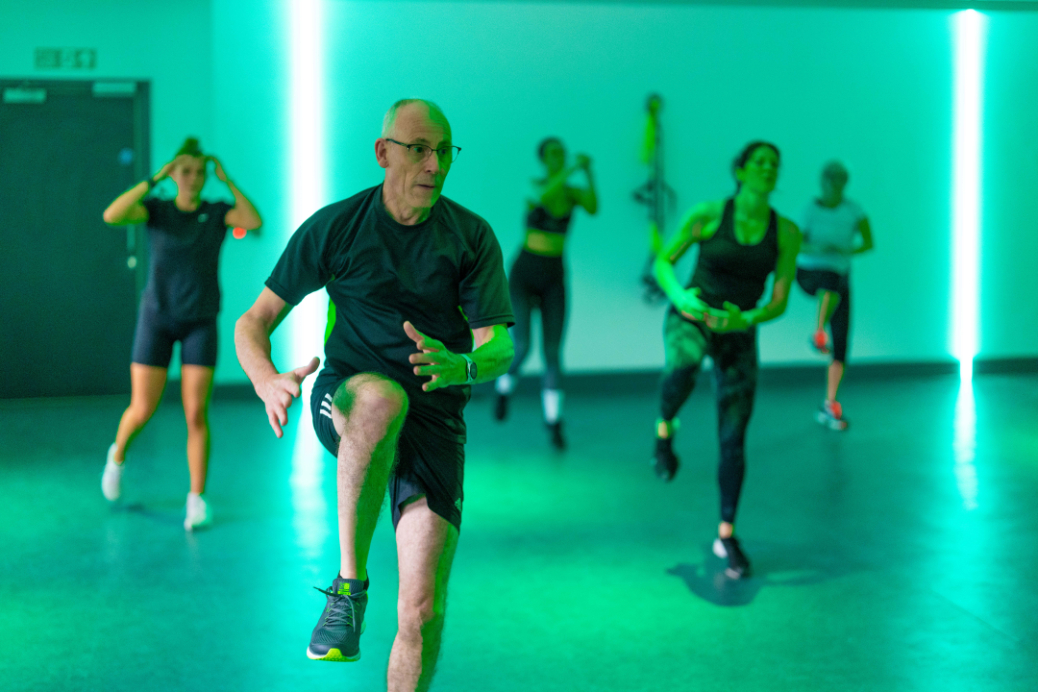
- Flexible, shared spaces. Studios can be used for more than traditional group exercise classes and can host specialist classes such as falls-prevention and cardiac rehab sessions.
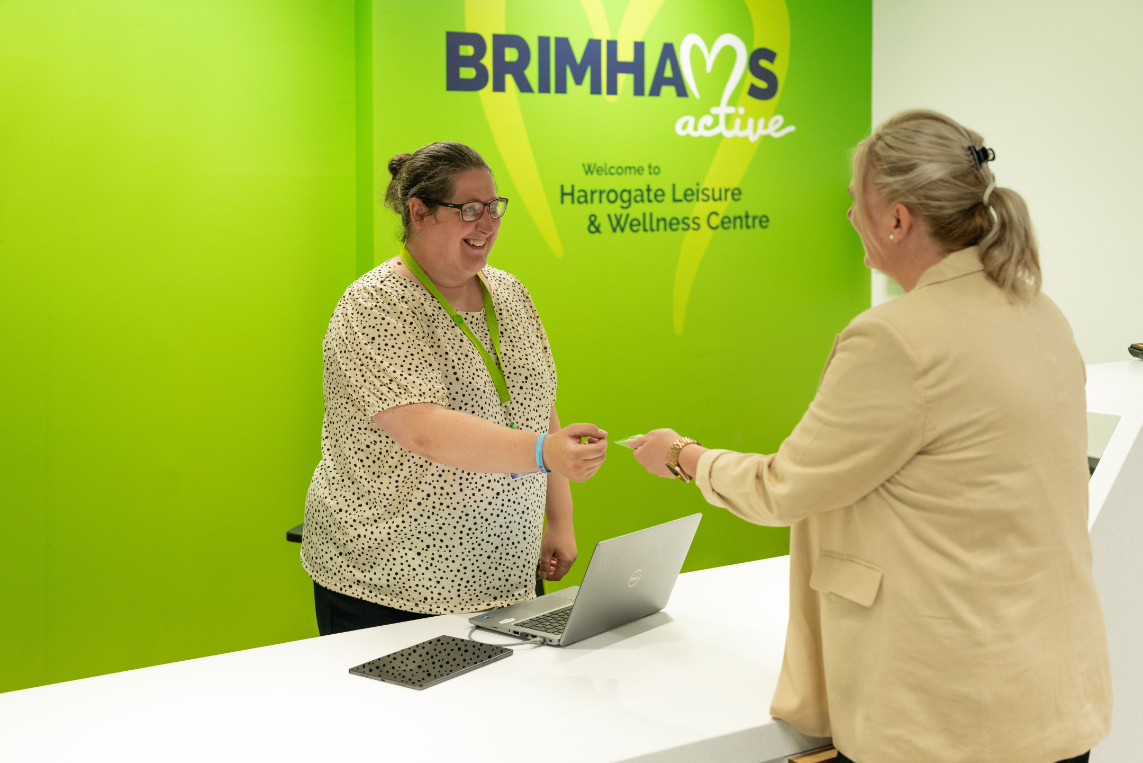
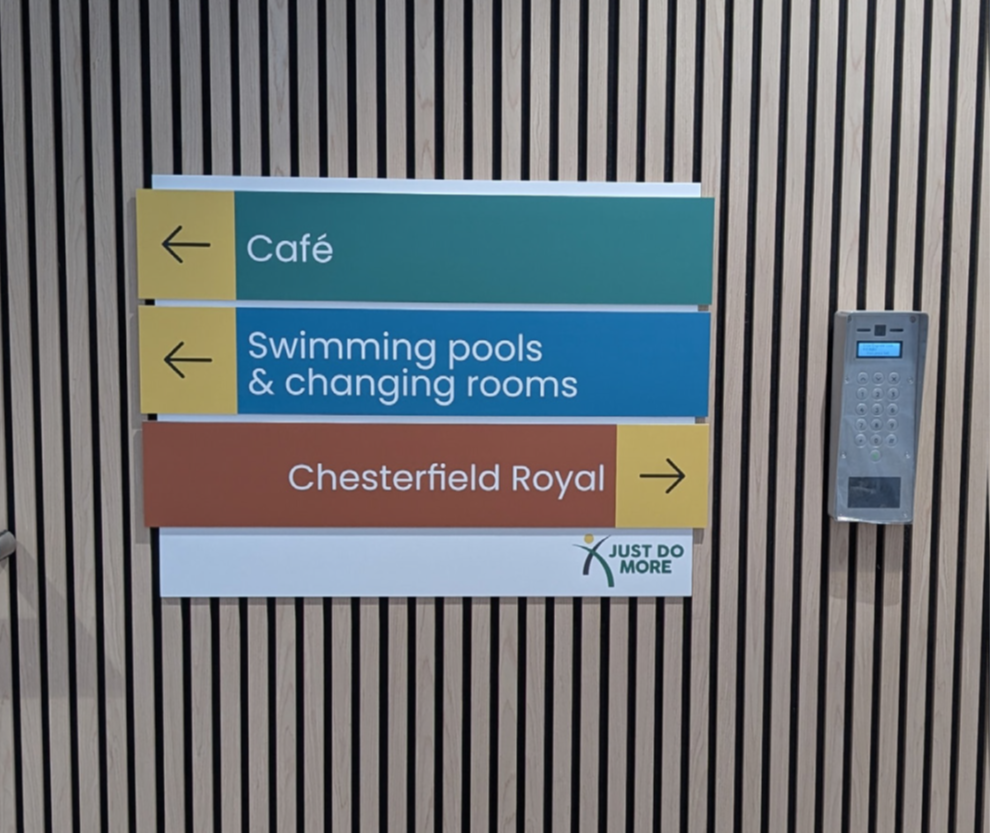
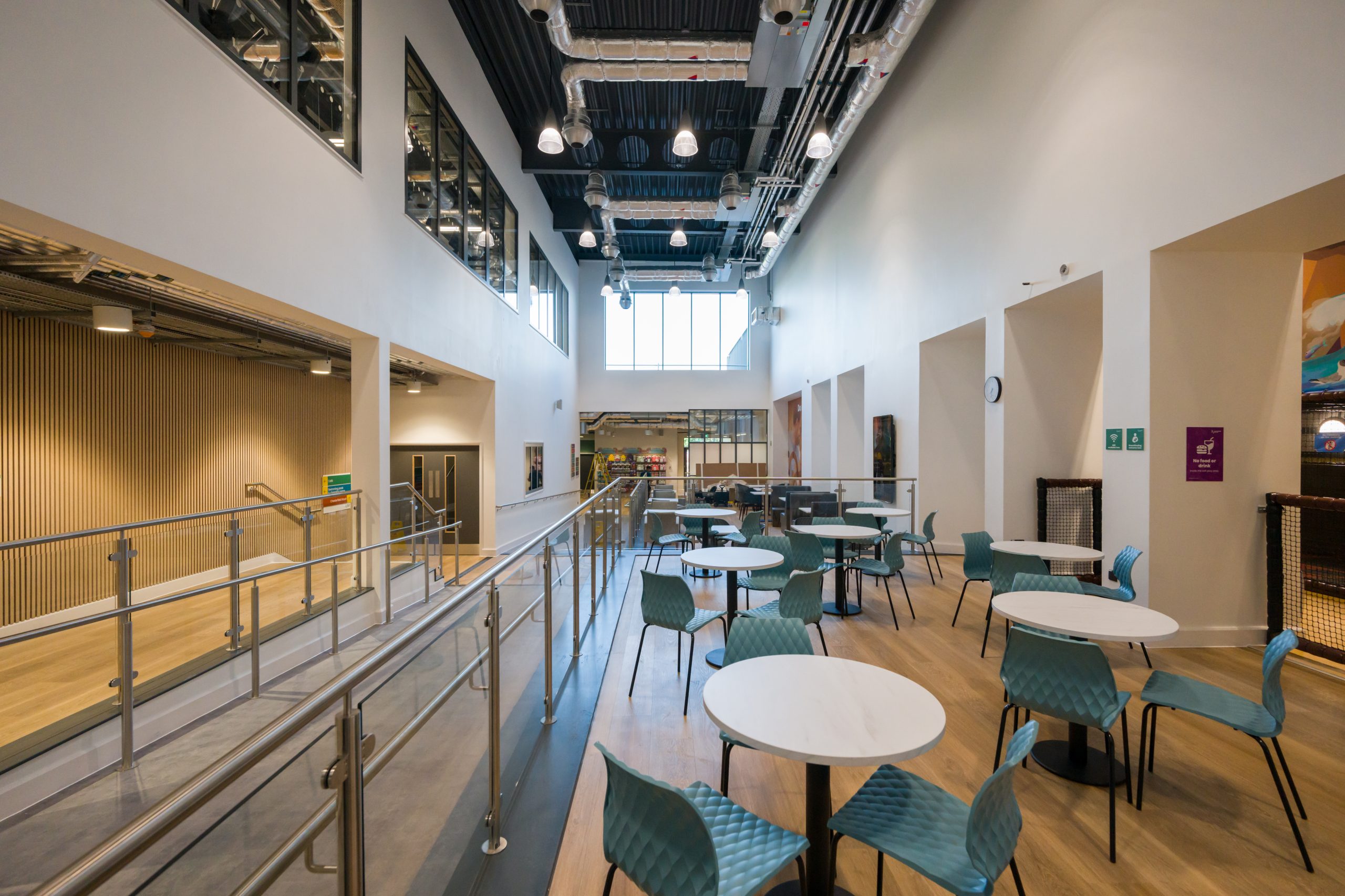
- A welcoming, non-clinical environment. A centre, or hub, should feel vibrant and inclusive – a place where health and happiness coexist. Branding and signage should remain consistent throughout the building to avoid the look and feel changing too drastically when entering the traditionally more clinical health service areas.
Clay Cross Active: An Example of Co-location in Action
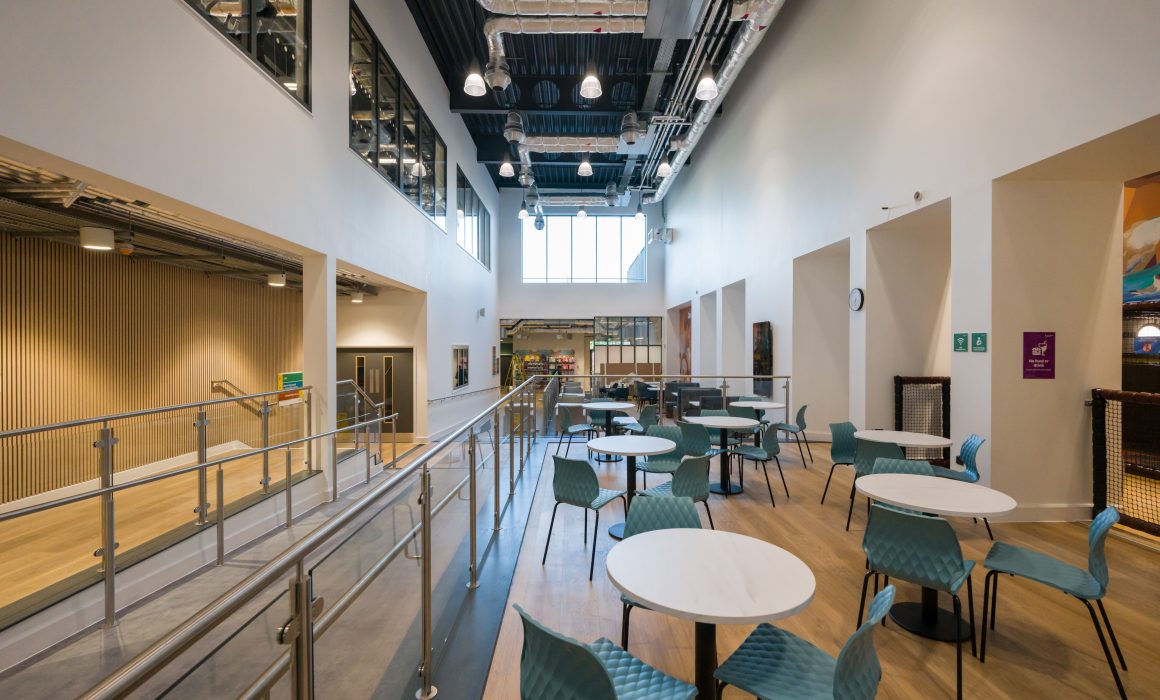
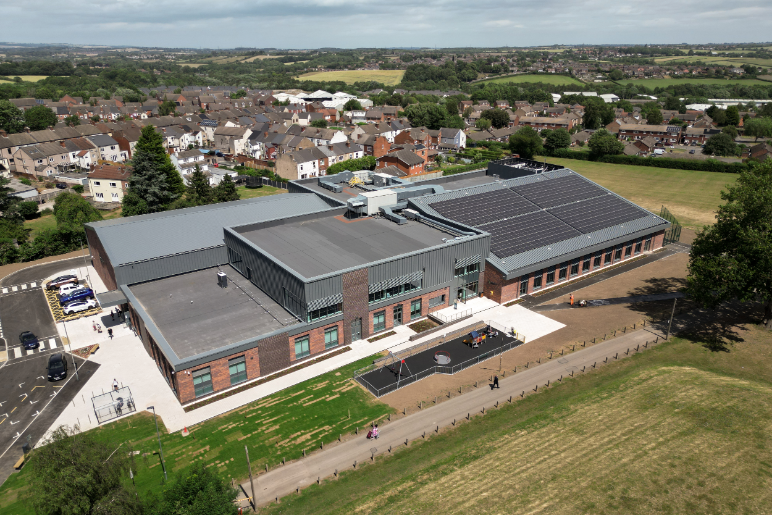
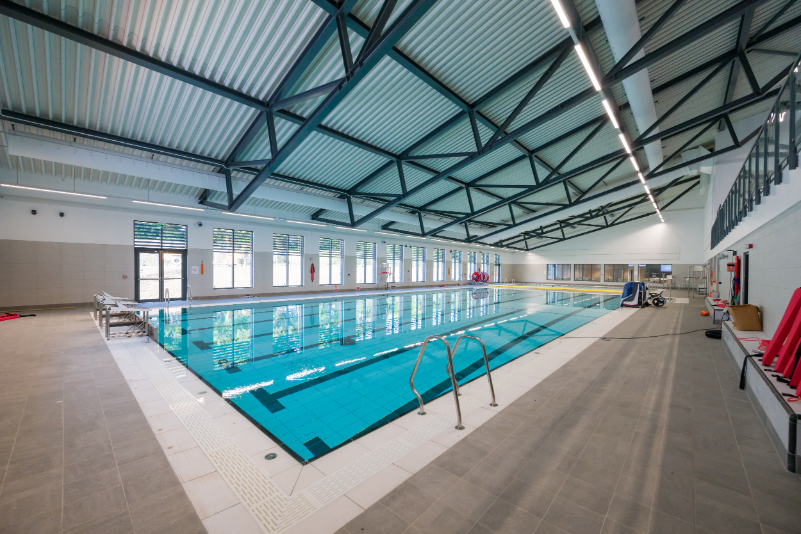
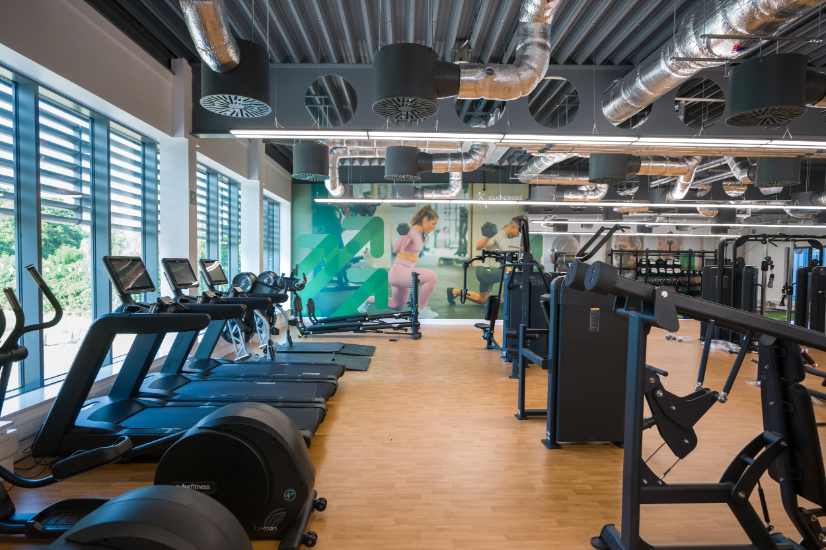
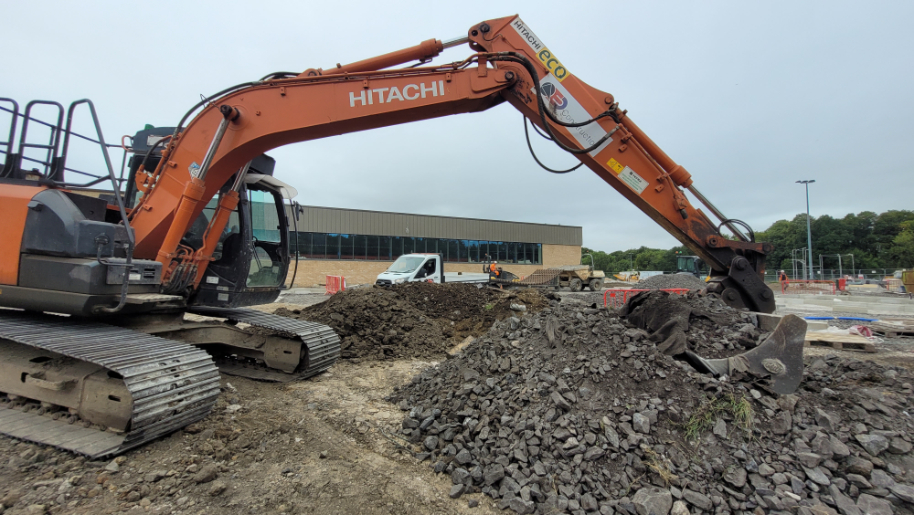
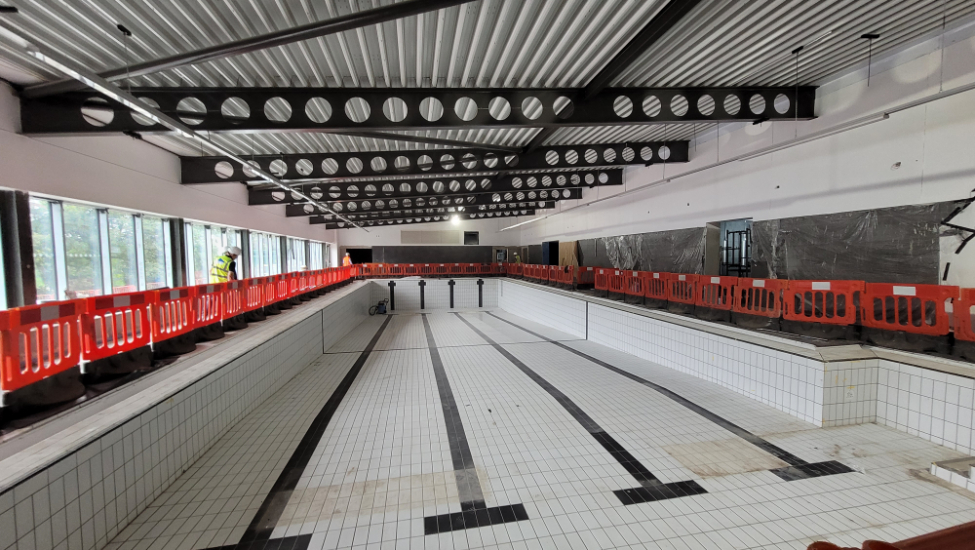
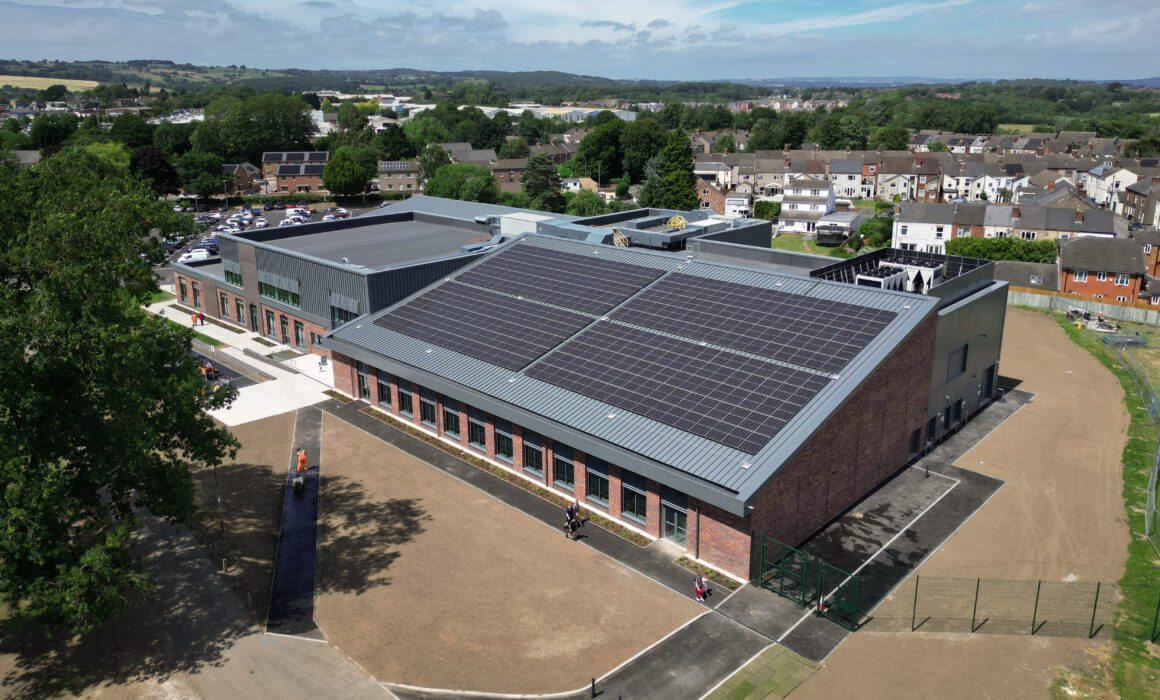
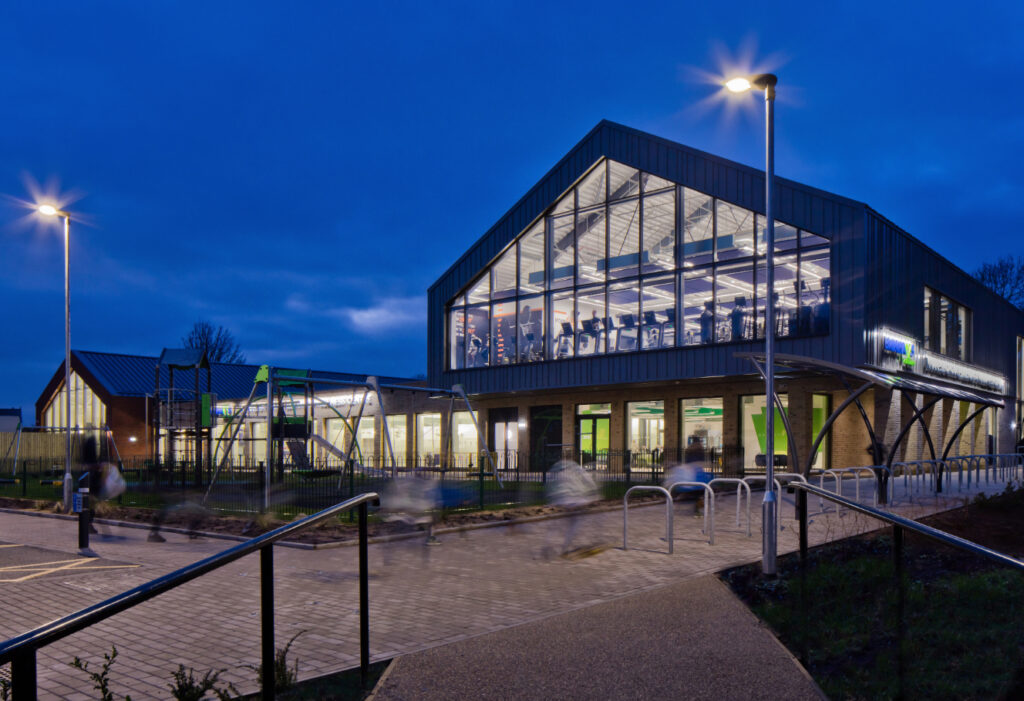
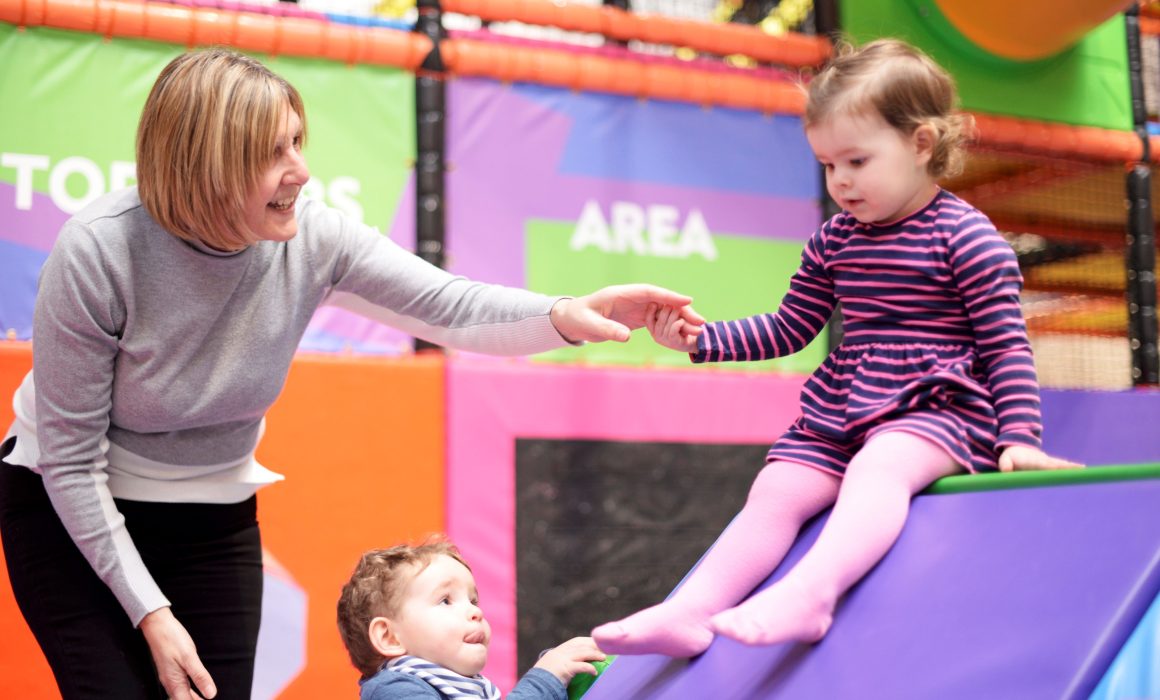
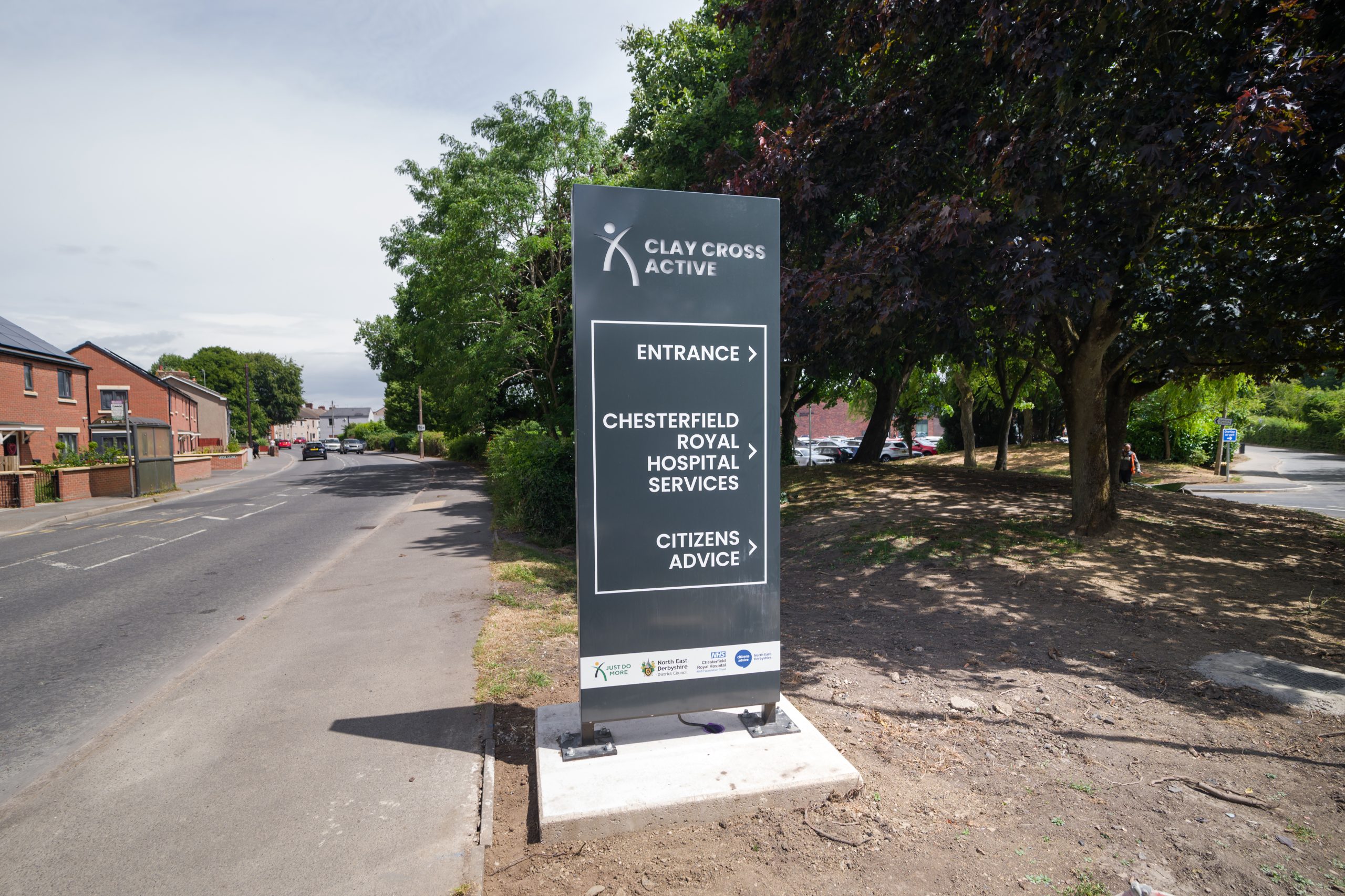
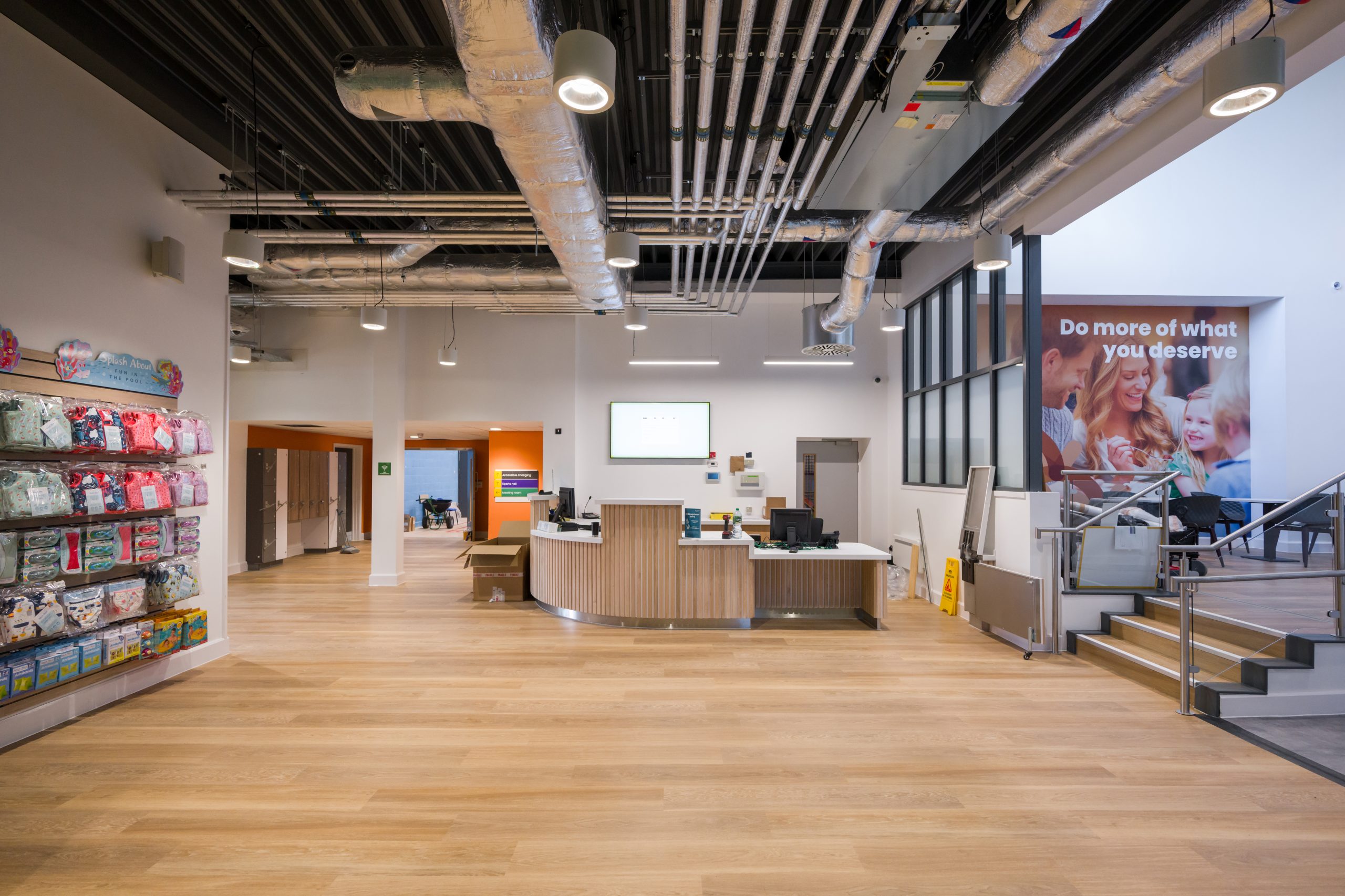
An example of the power of co-location is Clay Cross Active, a £26m project delivered by Alliance Leisure for North East Derbyshire Council. This new community hub brings together a range of wellbeing services all under one roof, including a brand new gym, swimming pool, wellness suite, soft play, TAGactive arena, and importantly, integrates NHS-linked and other community services on-site including maternity clinics, Citizens Advice and NHS-standard consultation rooms.
By embedding these clinical and advisory services alongside leisure and fitness facilities, Clay Cross Active demonstrates how co-located hubs can support both reactive care (via the onsite clinics) and proactive wellbeing (via the fitness and play products) in one place, making it far easier for individuals to move from a ‘health service user’ to a gym-goer, swimmer or group exercise participant in the same visit.
Abbeycroft: A Local Health Delivery Model
Another of our long-standing partners, Abbeycroft, work with their local NHS partners to provide community-based programmes and interventions at the heart of their leisure service. Alliance Leisure have transformed a number of their facilities to accommodate this provision. You can read more about their work here.