
As the direction of travel for public service reform becomes clearer, one thing is increasingly beyond doubt: the current model and ways of working is unsustainable.
Rising demand in adult social care, continued pressure on the NHS, and the scale of long-term health challenges mean that prevention is no longer a desirable ambition – it is a necessity. The government’s 10-year health plan reinforces this shift, with a growing emphasis on community-based support and earlier intervention.
Against this backdrop, a recent Solace roundtable with Alliance Leisure explored a central question: what role can leisure services play in a genuinely preventative system?
The answer is increasingly clear: leisure is not a “nice to have”, it is a critical part of the infrastructure required to support healthier, more resilient communities.
From Leisure Centres to Wellbeing Systems
A strong theme to emerge from the discussion was that the traditional model of the leisure centre is evolving.
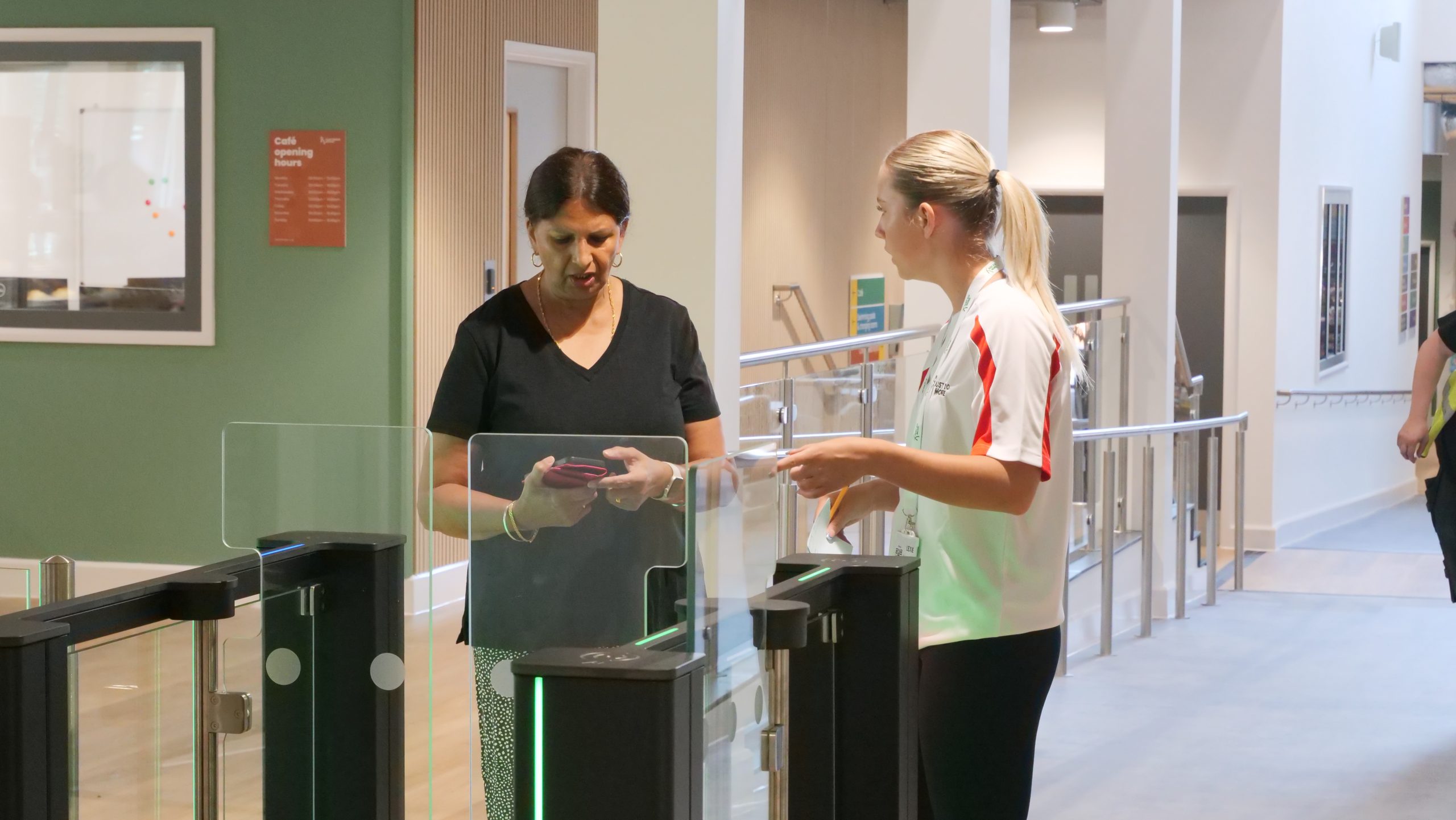
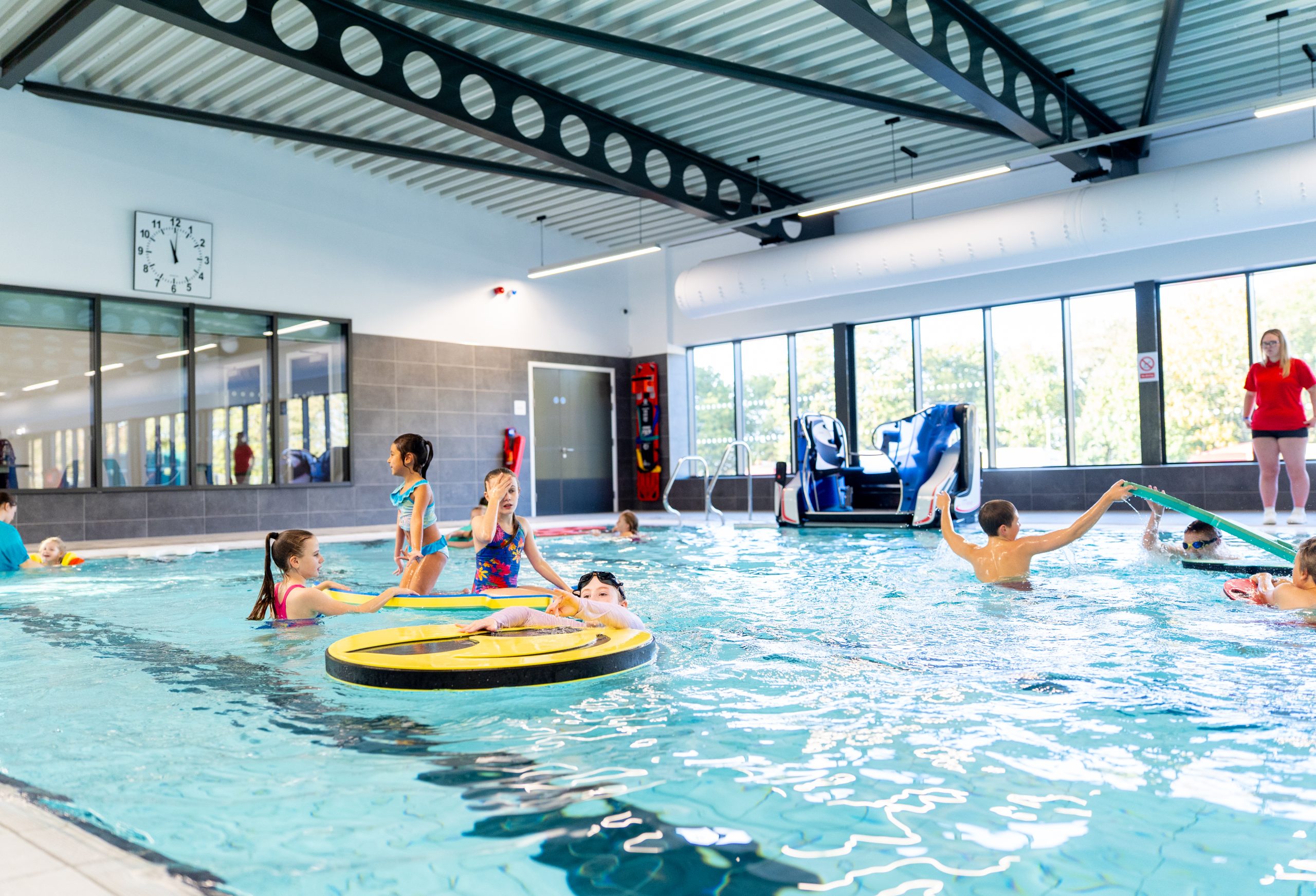
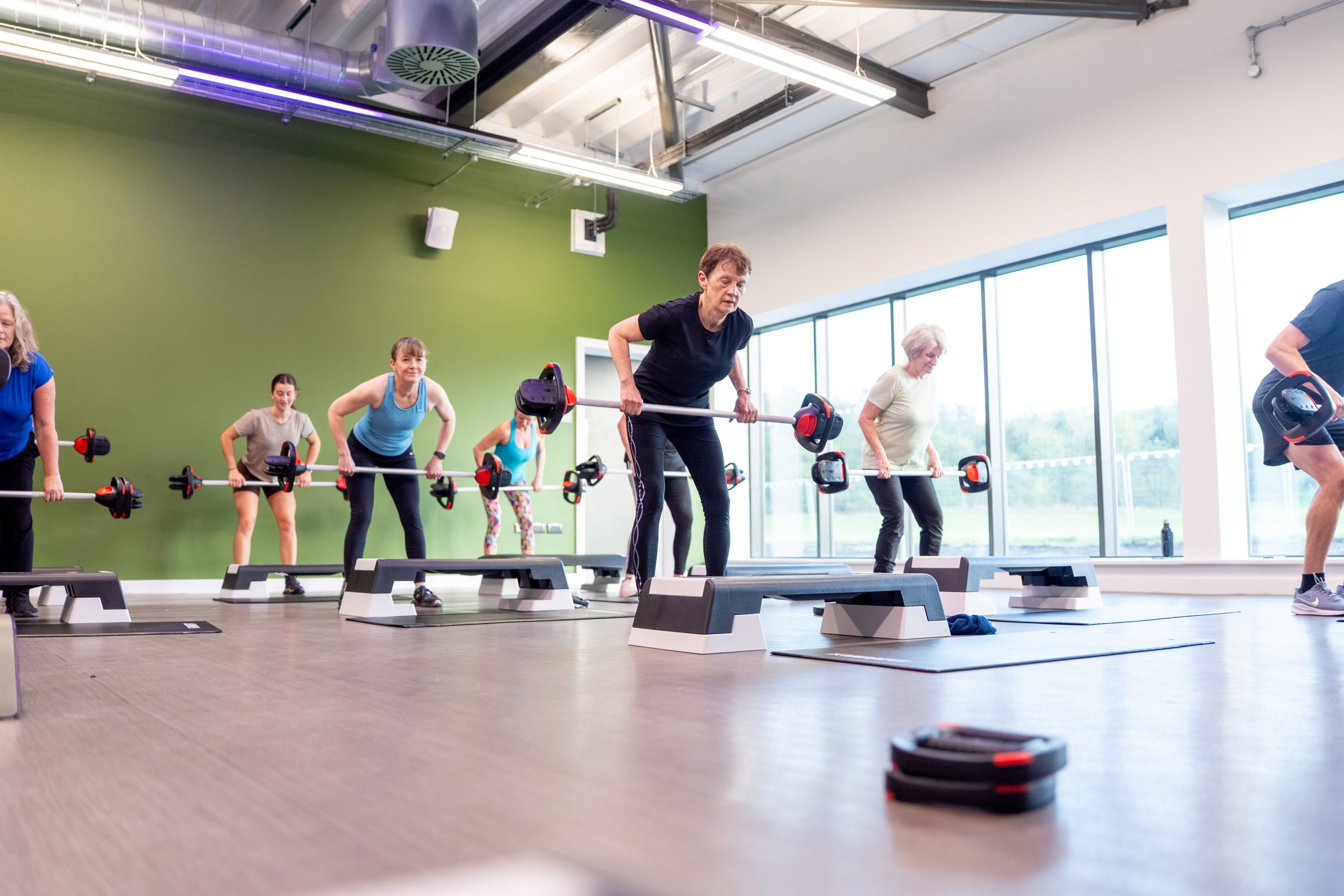
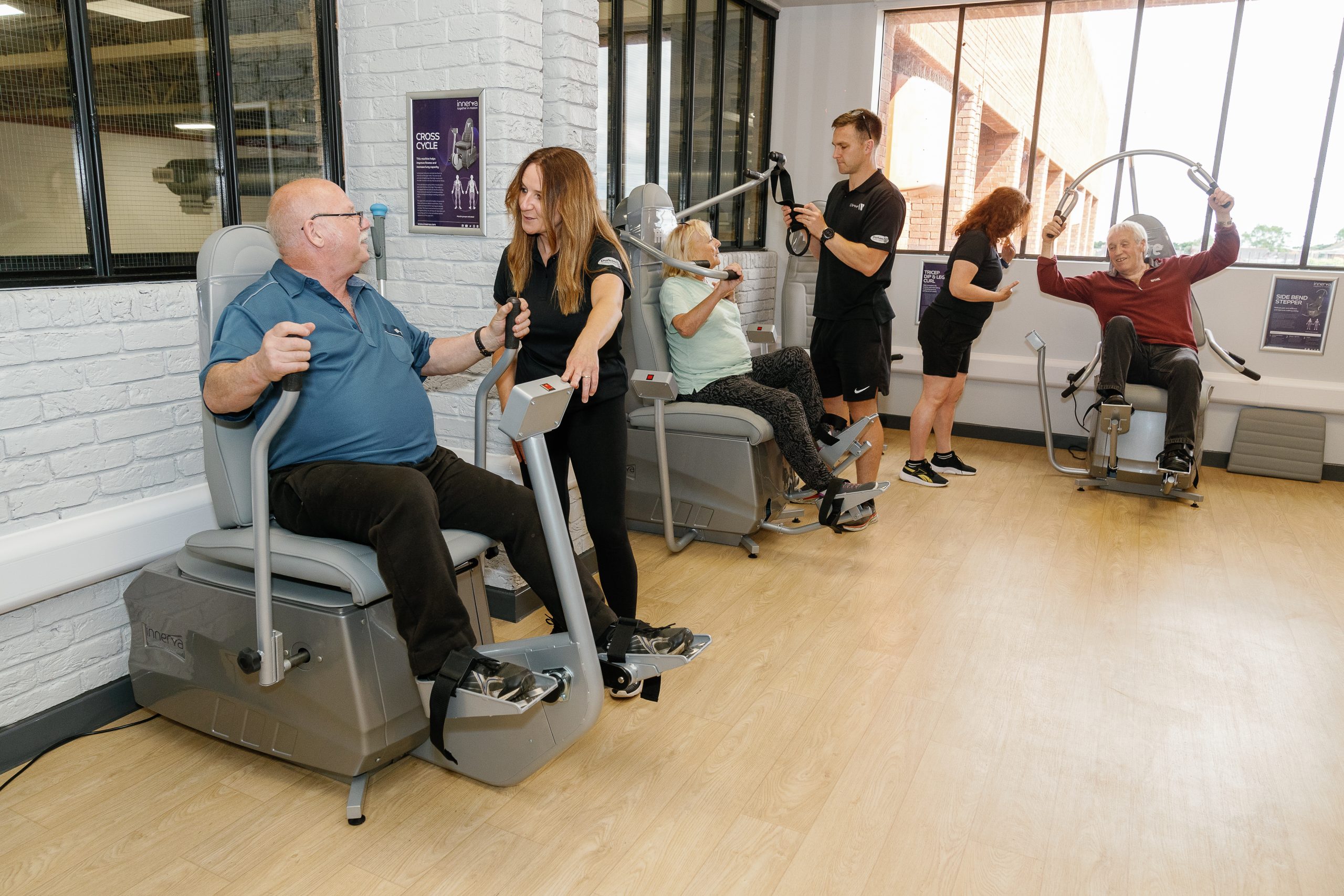
No longer simply spaces for sport and fitness, leisure facilities are becoming multi-purpose wellbeing hubs bringing together physical activity, social connection and, increasingly, health services. Examples shared included co-located facilities integrating libraries and community services, as well as spaces designed to support clinical delivery such as health checks and rehabilitation.
This reflects a broader shift. Leisure is moving from an operational service offer to something more fundamental: a form of community wellbeing infrastructure. Crucially, this is not just about buildings, but about how services are designed, who they are designed for, and the outcomes they are expected to deliver.
Partnerships, Evidence and Impact
If leisure is to play a central role in prevention, partnership working is essential.
There were clear examples of stronger collaboration with NHS partners, the voluntary sector and public health teams. In some areas, leisure services are already supporting referral pathways, contributing to rehabilitation programmes and helping to address issues such as inactivity, loneliness and mental health.
However, these relationships are still developing. Structural complexity within the NHS combined with reforms of their own and differing organisational priorities can make alignment challenging. But where partnerships are working well, two factors stand out.
First, clarity of purpose. Successful approaches are grounded in shared outcomes -whether reducing falls, supporting active ageing, or improving mental wellbeing.
Second, and critically, evidence of impact. For too long, leisure services have been measured primarily through participation. While important, this is no longer sufficient. If leisure is to be embedded within preventative systems, it must demonstrate its contribution to health outcomes, its impact on demand elsewhere in the system, and its wider social value.
This includes both robust data and compelling narratives. Being able to articulate the journey of an individual – what has changed, and what might have happened otherwise – is increasingly important in making the case for investment.
Systems Leadership and Breaking Down Silos
A consistent theme throughout the discussion was the need to move beyond service silos.
The challenges facing public services do not sit neatly within organisational boundaries. Addressing them requires a different kind of leadership. This is where systems leadership becomes critical.
Examples shared demonstrated what this looks like in practice: leisure services aligned under health and wellbeing functions, closer collaboration between public health, libraries and parks, and leaders acting as convenors across sectors.
In these contexts, the question shifts from “how do we run a leisure service?” to “how do we improve outcomes for our communities?”
This represents a significant cultural change. It requires shared ownership of outcomes, a willingness to work across organisational boundaries, and a focus on long-term impact rather than short-term outputs.
Fundamentally a systems leadership approach will enable public sector organisations to use scarce resources more effectively by focusing on better outcomes for the community rather than individual organisations.

Reform as an Opportunity
Local government reorganisation and wider system reform were seen not simply as challenges, but as opportunities to reset how services are designed and delivered.
While there are understandable concerns – particularly around maintaining local connection – the consensus was that reform provides a chance to align services more effectively around prevention and take a more strategic, place-based approach.
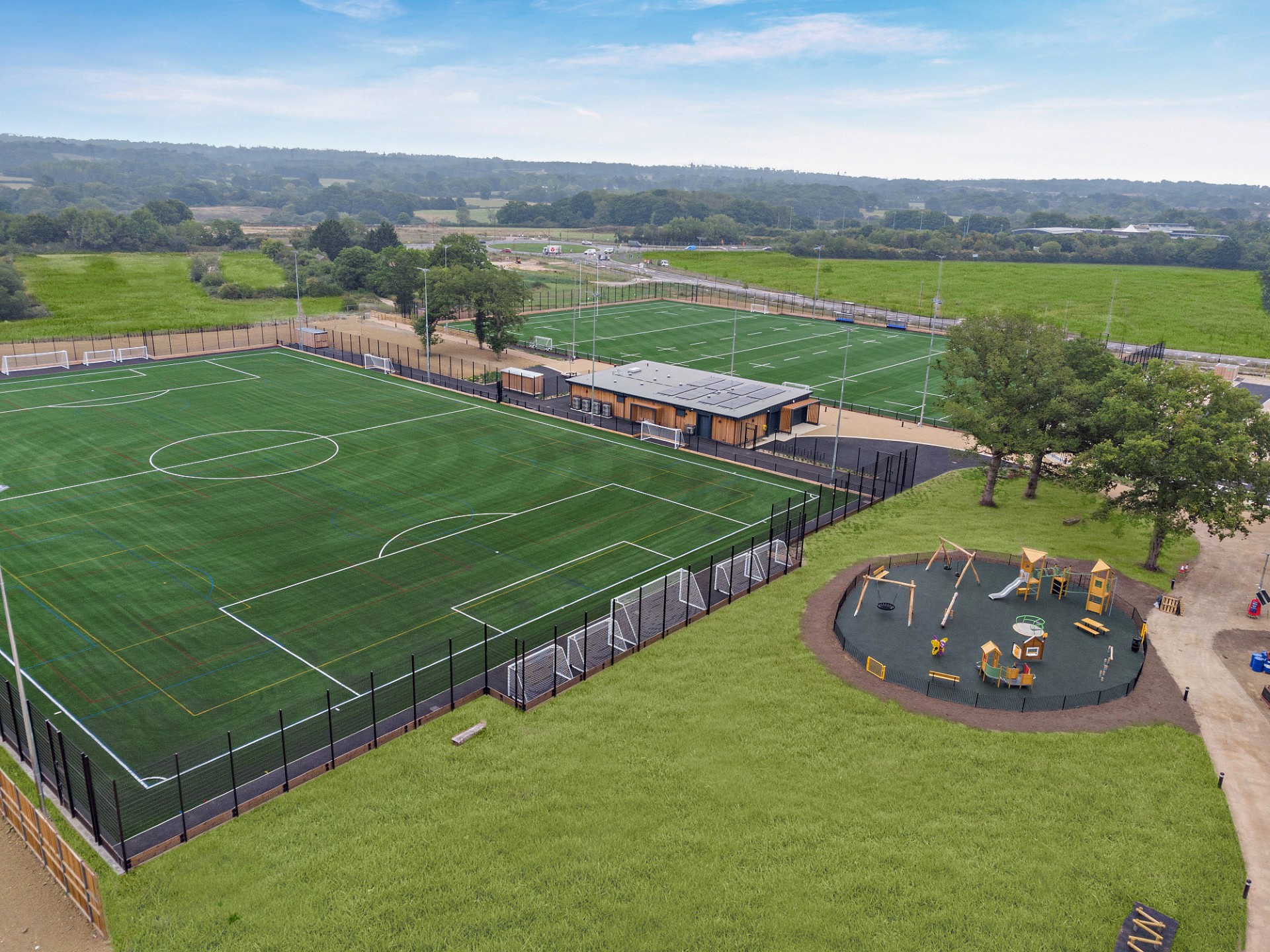
Importantly, this includes rethinking how assets are used. Leisure centres, libraries, parks and community spaces all have a role to play, but their impact is maximised when they are considered as part of a wider system rather than in isolation.
Test, Learn and Grow
Alongside structural change, there was strong support for a shift in mindset.
The “test, learn, grow” approach reflects a move towards more iterative, evidence-led service design. In the context of prevention, where outcomes are long-term and certainty is limited, this approach enables local authorities to start small, learn quickly and scale what works.
It also supports a broader cultural shift away from risk aversion and towards innovation grounded in evidence.
A Moment of Opportunity
The overarching message from the roundtable was one of cautious optimism.
There are significant challenges. Financial pressures remain acute, demand for statutory services continues to grow, and the shift to prevention will take time. But there is also a clear opportunity.
Leisure services are already evolving. Partnerships are strengthening. And there is growing recognition that health outcomes are shaped far beyond the walls of hospitals and care settings.
If local government – in close collaboration with local partners – can demonstrate impact, lead across systems and embrace new ways of working, leisure services can become a cornerstone of a preventative, place-based approach to health and wellbeing.
The prize is significant. Not just in terms of financial sustainability, but in improving the quality of life for communities now and into the future.
Alliance Leisure would like to thank Andy for chairing the roundtable and taking time to share his thoughts here.