Cohesion by Design: Turning Council Leisure Assets into Shared Community Space
This month (February 2026) saw an important report released by the LGA, titled “The role of sport, arts and culture in supporting community cohesion.” Authored by Dr Chris Stone and Dr Jeni Vine from Belong, the Cohesion and Integration Network, the article discussed the role sport, arts and culture can play in building stronger, more connected communities. The report usefully separates ‘social inclusion’ (who can take part) from ‘social cohesion’ (who mixes, connects and builds trust across difference) and that difference matters when we design spaces and programmes.
Here at Alliance Leisure, there are some practical ways we can support the kind of work described in the report, particularly when councils are trying to turn the idea of cohesion into something that can be sustained over time.
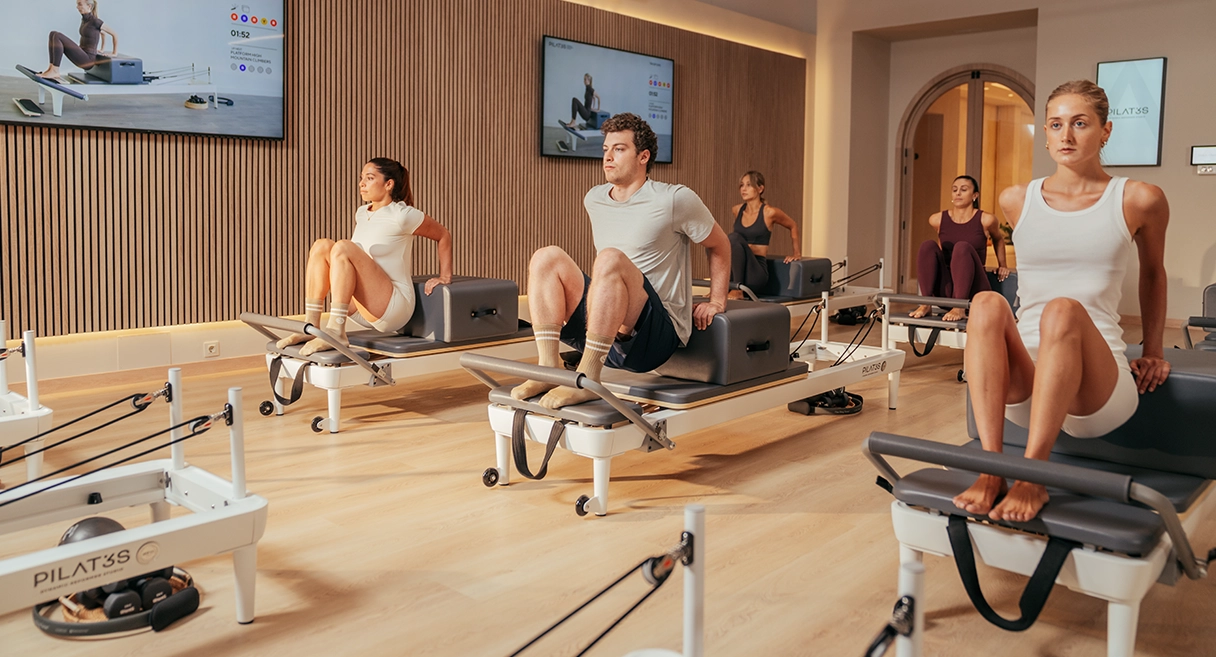
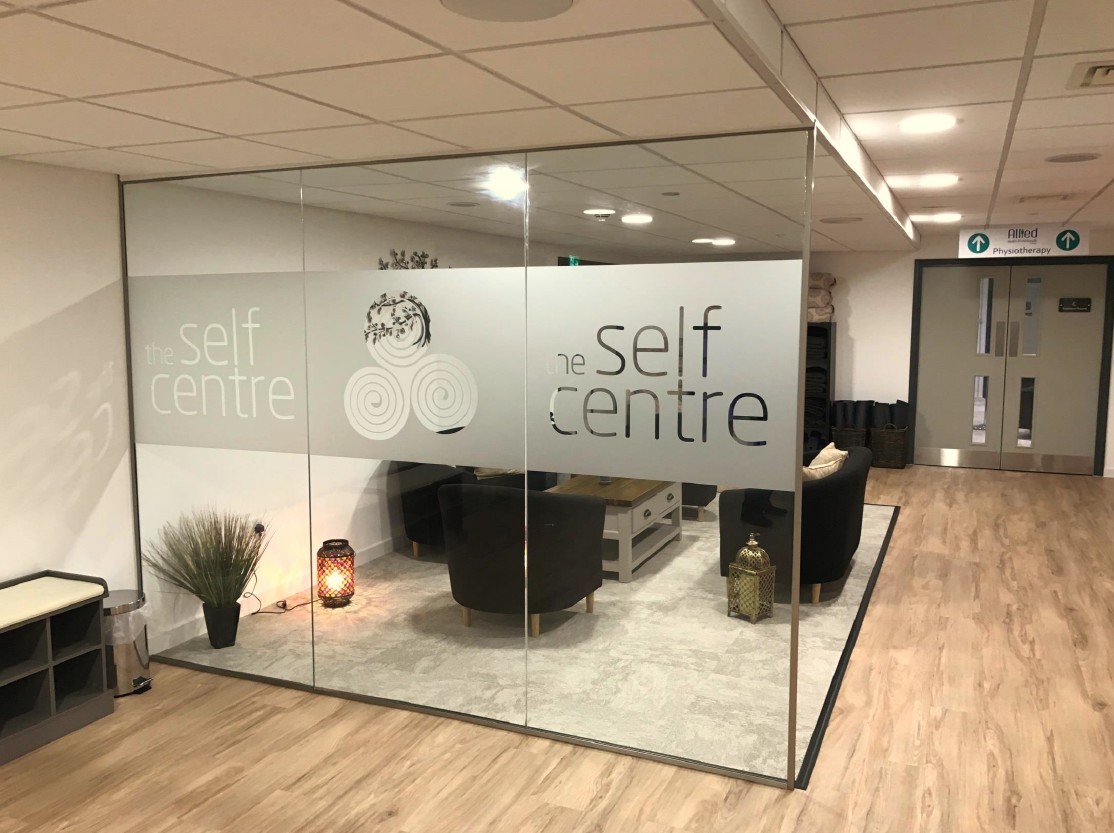
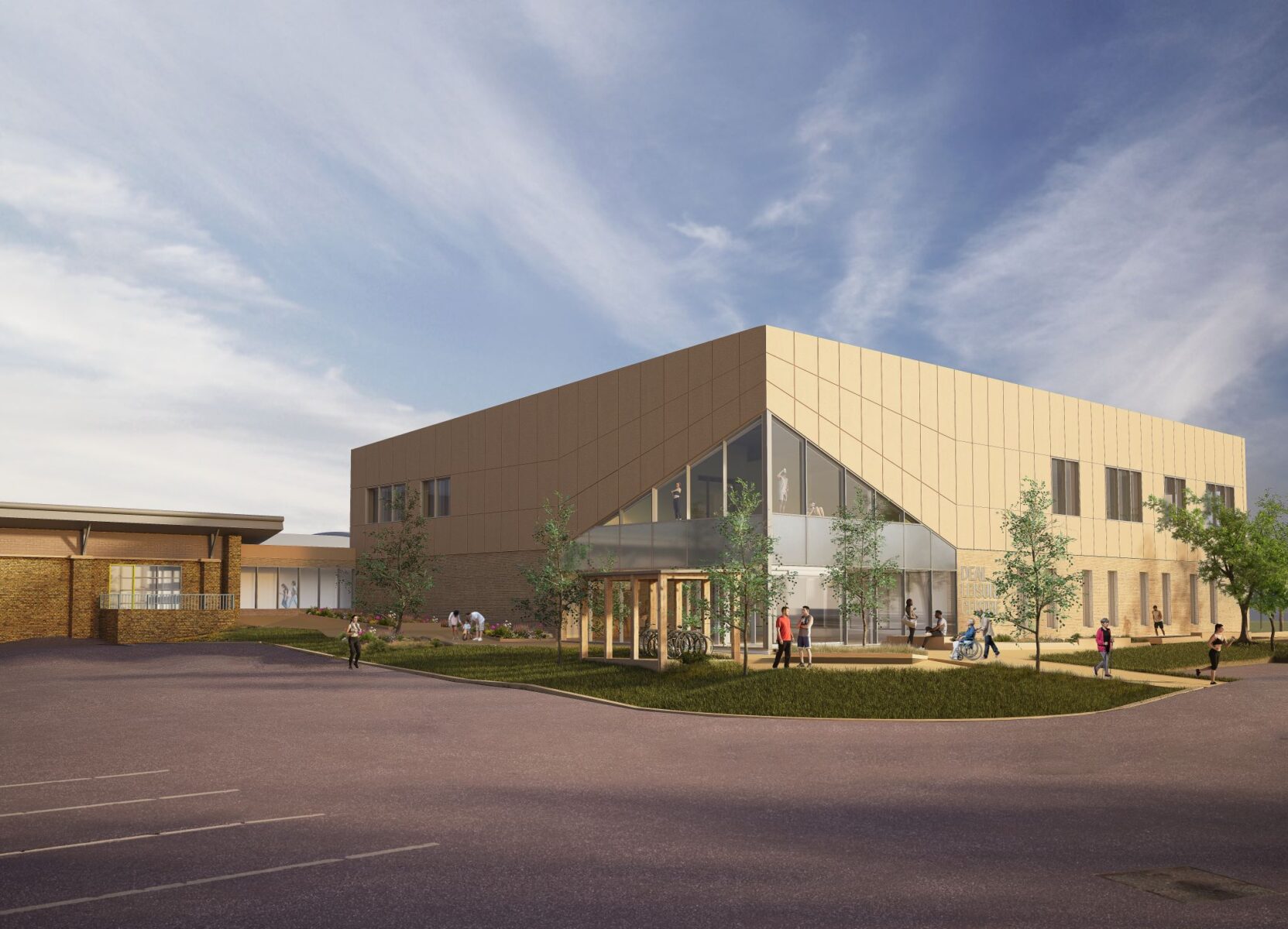
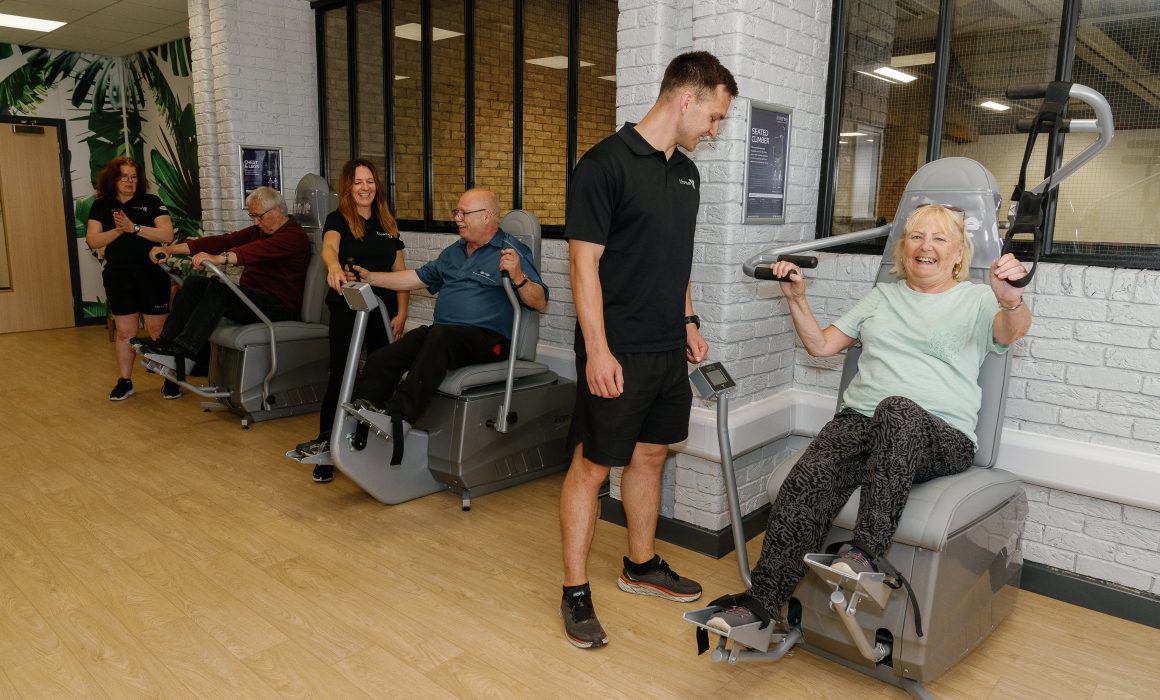
First, there is the role of the local leisure building itself. These venues can do far more than provide sport and fitness. When designed and managed with community use in mind, they can become shared spaces where different groups feel comfortable spending time. That might mean flexible rooms that can be used for sport one hour and community arts or learning the next, or simply meeting spaces where people can socialise. Take a look at our project at Mablethorpe where the Station Leisure and Learning Centre was built around multi-use space.
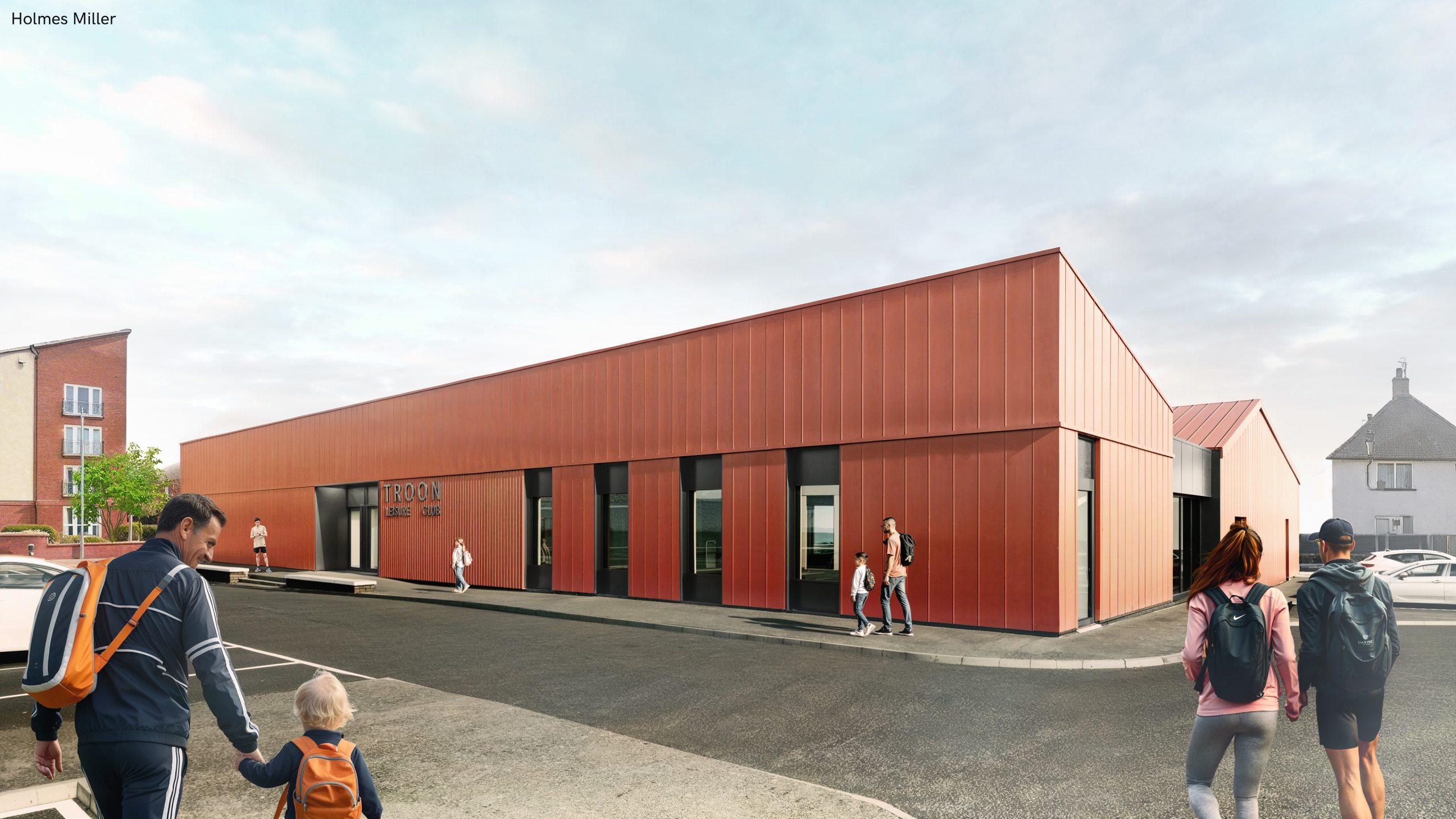
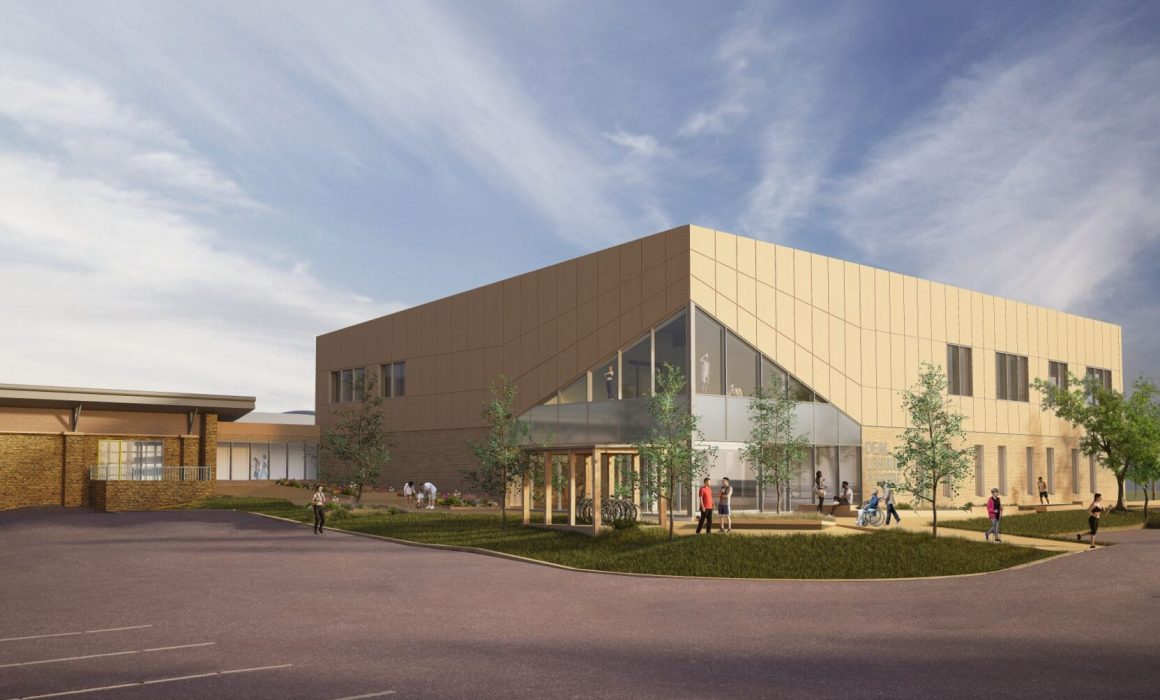
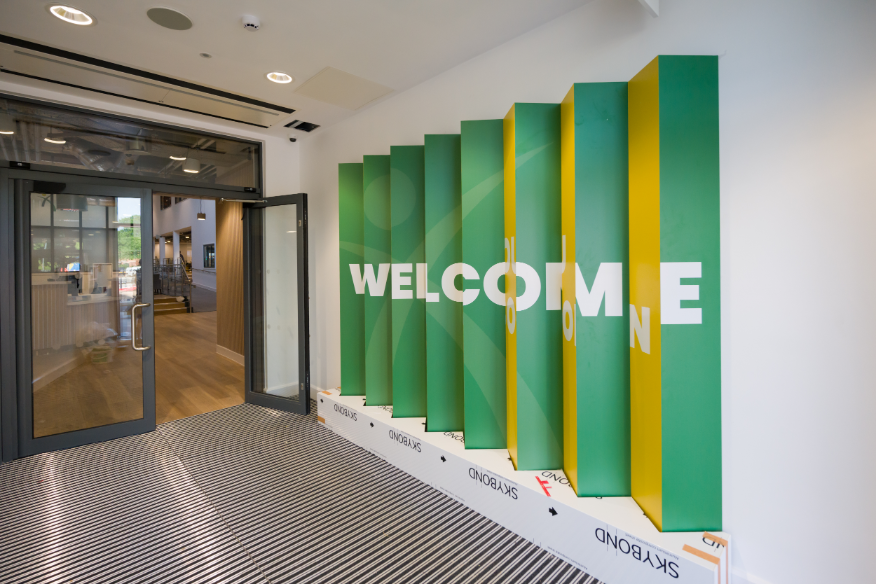
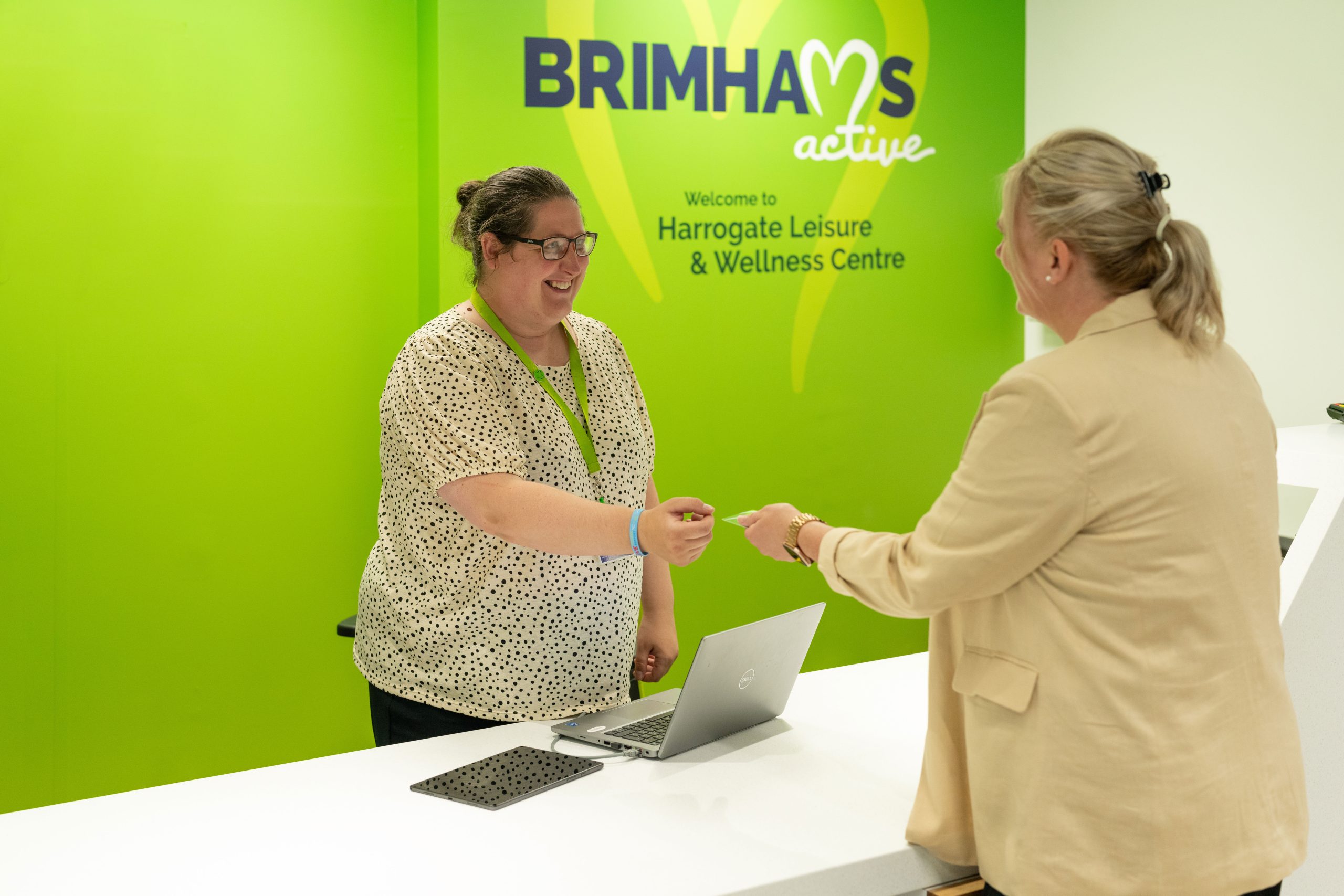
Second, the physical environment really does send a message. A tired, confusing or inaccessible building can quietly push people away, even when the intention is inclusion. On the other hand, a welcoming entrance, accessible layouts and features, clear signage and spaces that feel safe and friendly can help more people feel that they belong. Supporting civic pride is not a nice-to-have but can shape whether residents want to engage at all.
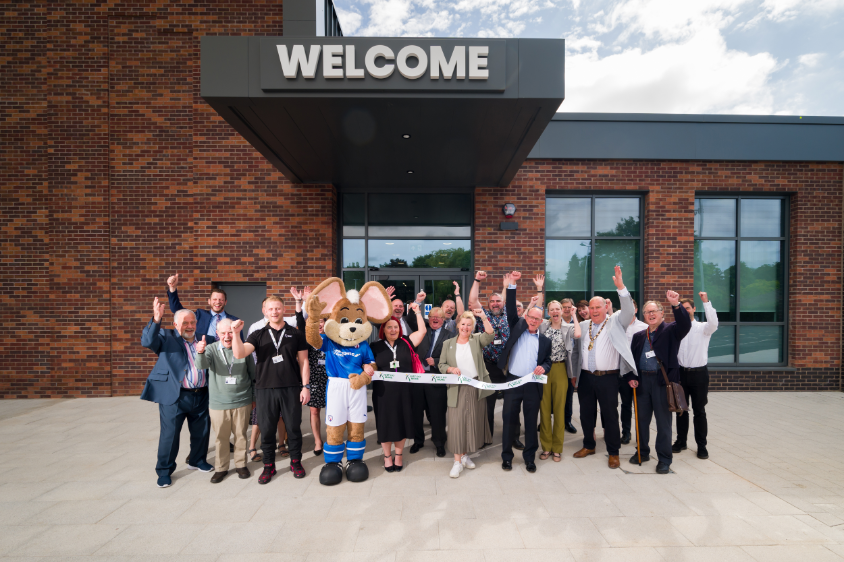
Another key point is how early communities are involved. Cohesion is harder to build if local people feel decisions have been made without them. Where councils want to reach beyond the usual audiences, co-design can make a real difference. That means listening properly, involving under-represented groups from the start, and building something that reflects what a place actually needs, not what a template says it should be. Our Engagement team conduct tens of stakeholder engagement campaigns every year and Paul Woodford, Strategic Engagement Director at Alliance Leisure, talks of the importance of doing this with a community and not to them:
“Our team believe that a community facility should be shaped and influenced by a local community as they are going to be patrons of the centre through generations. It’s motivating when you see comments from community consultation workshops make a difference to the final design of a facility.”
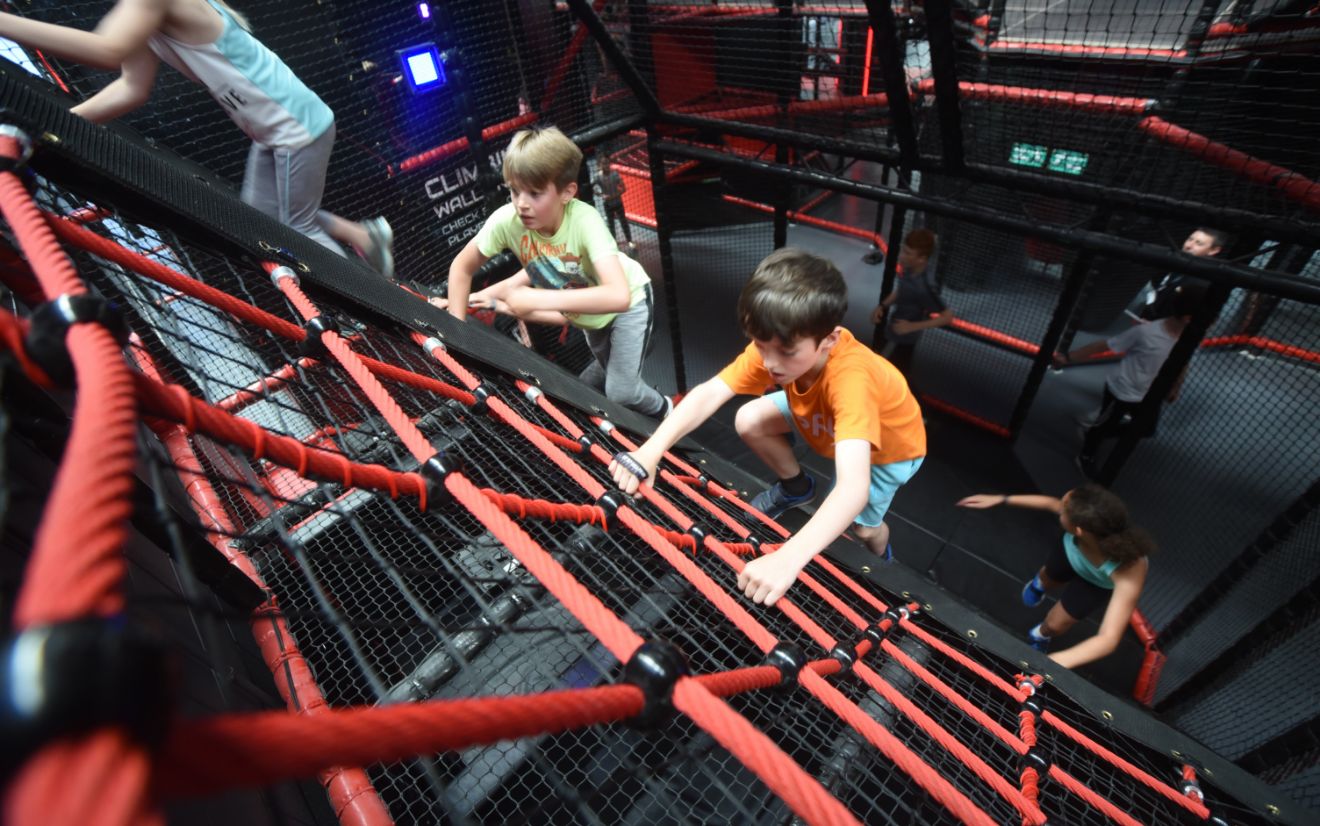
It is also important to connect capital investment to long-term activity. A new or refurbished facility is a strong start, but the real impact comes from what happens week after week once the building opens. Regular, low-barrier sessions, intergenerational activities, and partnerships with local organisations, youth services and community groups can turn a venue into part of daily life. We’ve talked before about the importance of creating family destinations and co-located spaces, and if the offer is welcoming and visible, it becomes normal for people to mix, creating a truly neighbourhood hub.
Outdoor spaces matter too. Informal areas like skate parks, pump tracks and multi-use game spaces often become natural gathering points, especially for young people. When they are well designed, properly located and again, shaped by local input, they can be positive shared spaces.
Finally, the article touches on the challenge of making the case for prevention when budgets are tight. That is something we recognise and actively work with our clients to make capital investments affordable, without making compromises. It helps when cohesion goals are linked to clear outcomes, whether that is wellbeing, skills creation, reduced isolation, youth engagement or community safety. Being able to explain and evidence those benefits makes it easier for leaders to back long-term investment.
Our role is to help councils translate cohesion ambitions into welcoming spaces and sustained activity that genuinely bring people together. To continue this conversation, contact myself or our team and arrange a call to discuss the goals and objectives of your next development.