
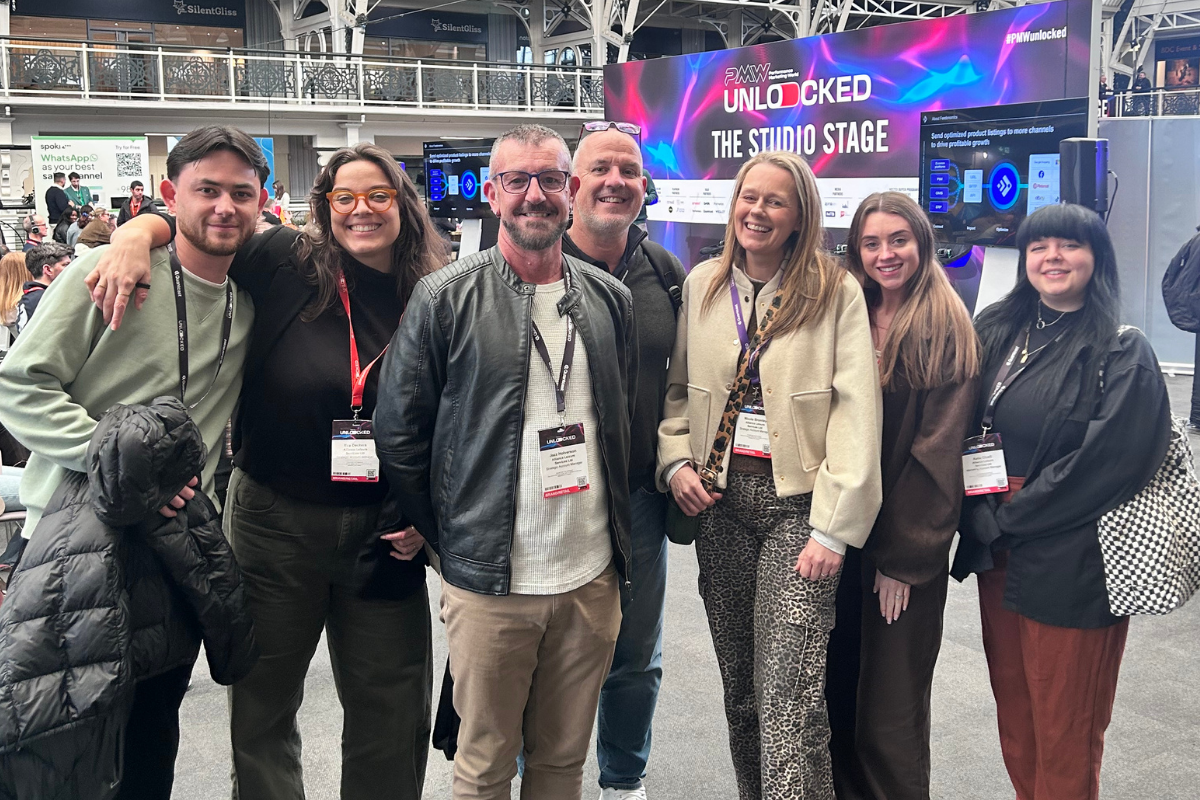
Last week some of our Engagement Team and Central Marketing Team attended Performance Marketing World Unlocked – a marketing conference full of insight and actionable advice from over 70 expert speakers from different industries.
Here are our key takeaways from across both days at the event.
1) Build a Culture of Experimentation
One of the strongest messages from the event was that too often testing is pushed aside because teams feel they don’t have the time, but as Grace Miller from Flight Story, the producers of the Diary of a CEO podcast, said: “Not having time to test isn’t a reason, it’s a signal that testing should be a priority.”
Small experiments, such as testing different imagery, colours or thumbnails, can have a significant impact on ad performance. A useful approach shared at the event was to allocate around 10% of campaign budget specifically for experimentation, allowing teams to test new ideas or platforms without risking core campaign performance.
The key principle was simple: If you’re not testing, you’re guessing. Continuous testing ensures campaigns evolve, improve and stay relevant to the audience
2) Strength in Storytelling
Giovanni Pupo explained that the product itself is rarely the true driver of purchase. Instead, what converts is the story surrounding it.
In performance marketing we tend to optimise heavily for mechanics such as bids, clicks and conversions, but rarely for emotion or cultural relevance. Yet while algorithms reward engagement, humans reward meaning. An advert may win the auction and generate a click, but that does not necessarily make it memorable or persuasive. Discounts can drive short-term conversions, but conviction built through storytelling sustains demand over time and reduces price sensitivity.
Pupo described this through a story-led performance framework built on three stages: Meaning, Memory and Mechanics. Meaning comes before the click and asks fundamental questions about a brand – what it stands for, why it exists and why anyone should care. Memory happens during the moment of attention and asks whether the brand is distinctive, recognisable and emotionally anchored. Mechanics come after conviction and include the familiar performance tools such as creative testing, bidding strategies, audience expansion and landing page optimisation.
Many brands start with mechanics, but Pupo argued that you cannot effectively optimise something people do not care about. When applied correctly, this framework shows up clearly in metrics: meaning drives stronger hook rates and growth in brand search, memory leads to higher click-through rates over time with slower creative fatigue and lower blended customer acquisition costs, and mechanics deliver improved conversion rates and incremental return on ad spend.
Ultimately, a brand with a compelling narrative can maintain demand even as algorithms and platforms change.
3) Drive Continuous Digital Improvement
In today’s fast-paced digital landscape, continuous improvement is key to staying relevant and competitive. Technology, user expectations and market trends evolve rapidly, and businesses that proactively adapt their digital presence can better meet customer needs, enhance brand perception and capitalise on new opportunities.
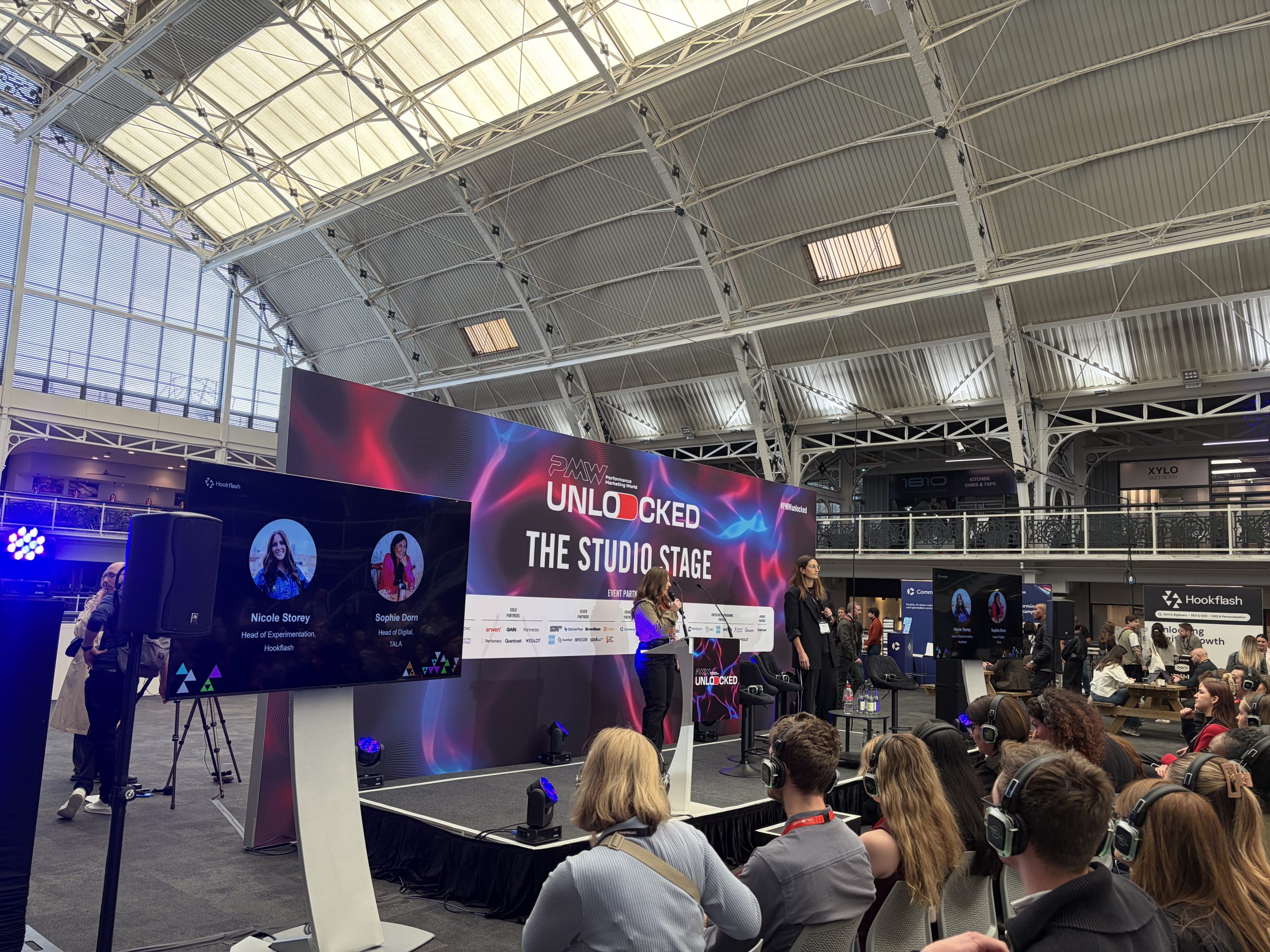
Sophie Dorn, Head of Digital at TALA, stressed the importance of user experience, noting that 32% of website users leave after a poor experience. Improving this often begins with a website opportunity audit to identify pages that need improvement and to uncover the performance gaps. Surprisingly, the homepage isn’t always the top landing page – users often start their journey elsewhere on your site. It’s crucial to identify these frequent entry pages and focus digital advertising efforts on them, while ensuring they are fully optimised to convert.
4) Why Smarter Campaigns Matter More Than Bigger Budgets
A key takeaway from PMW Unlocked 2026 was how much more competitive digital advertising has become. Data shared during the event showed that the average cost per lead on Google Ads has increased significantly in recent years, while click-through rates across many industries have remained relatively stable. In simple terms, this means it’s becoming more expensive to generate the same results if campaigns remain unchanged. For many of our clients who operate with smaller PPC budgets, this makes it even more important that spend is used as efficiently as possible rather than simply increasing budgets.
At the same time, platforms like Google and Meta are increasingly automating elements such as bidding and audience targeting. This means the biggest opportunity to improve performance often lies in areas we can control together – particularly creative and the experience users have after clicking. While refreshing creative regularly is important, it’s equally important to keep strong performing ads live while they continue to deliver results. By analysing what has worked well in previous campaigns and applying those learnings to new creative concepts, we can continuously test and refine messaging, visuals and formats to improve performance over time.
Alongside this, emerging advertising platforms are also creating new opportunities to reach audiences beyond the traditional channels, giving brands additional ways to extend reach and test new approaches while still making the most of existing budgets.
5) Rebalancing the Scales of PPC Advertising
A few speakers, but notably Alberto Ciot from Quantcast made us think about the distribution of our time online versus the budget we spend on pay per click advertising.
In our day-to-day lives, we might turn on radio on our smart speaker or listen to a podcast on our way to work. At lunchtime, perhaps we read the news on a publisher website or watch some catchup TV while getting a treadmill run in. In the evenings, we sit down to binge some episodes of Netflix or watch any number of TV channels, YouTube series etc available to us.
Sure, while social media browsing, or doomscrolling, will play a part of our day, or perhaps even overlap some of these other activities, research has shown that 70% of our time online is spent on the ‘open web’ versus 30% on the ‘walled gardens’ of social media. Yet for so many of us, the historically high and easy to measure conversion metrics of social media leads us to spend the majority of our budget right there. In fact, Alberto’s research shows that on average 72% of PPC budget goes to socials, with the remaining 28% on the open web.
Alberto doesn’t say a direct reversal is necessary, but with new efficiencies AI is bringing to display and performance advertising, as well as new platforms becoming available to make advertising cheaper than ever before, he recommends experimenting by moving 10% of your social budget into open-web advertising, to see what effect placing your ads where your clients are actually spending their time has on your conversion rates.
We hope you found our takeaways insightful and look forward to more marketing events later this year.