If our new leisure and wellness centres are going to remain relevant for decades, the facility mix needs to combine proven activities with new reasons to visit and enough flexibility to keep evolving.
When we start planning a new leisure centre, it is naturally shaped by what people want and need now. But these buildings will hopefully be serving their communities for the next 30 or 40 years. That means designing for the customer we know today while also thinking seriously about who is coming next.
This does not mean putting every new idea into every new centre. The local insight, catchment, consultation and business case still need to drive the right solution.
This is where Natalie and our Insight team play such an important role at the very start of a project. Through our Opportunity Analysis work, we bring together local demographics, participation data, catchment insight, competing provision, community engagement and the commercial opportunity. That gives us a much clearer picture of what is genuinely needed and which ideas have the best chance of working.
Youth voice also needs to be a proper part of that process. The Youth Futures Foundation’s work highlights the importance of moving beyond token consultation and giving young people real influence and shared ownership. For our projects, that means involving them early enough to help us understand the barriers, test the ideas and shape the activities and experience, rather than simply asking them to comment once the plans are nearly finished.
What this does mean is that we should be showing clients a much broader art of the possible. The familiar pool, sports hall, gym and studios will continue to be important, but we need to think about how those spaces evolve and what else could sit alongside them.
Social Play and Competitive Activity
We should be creating more opportunities that sit between formal sport and traditional fitness. Depending on the site, this could include:
- Padel and pickleball.
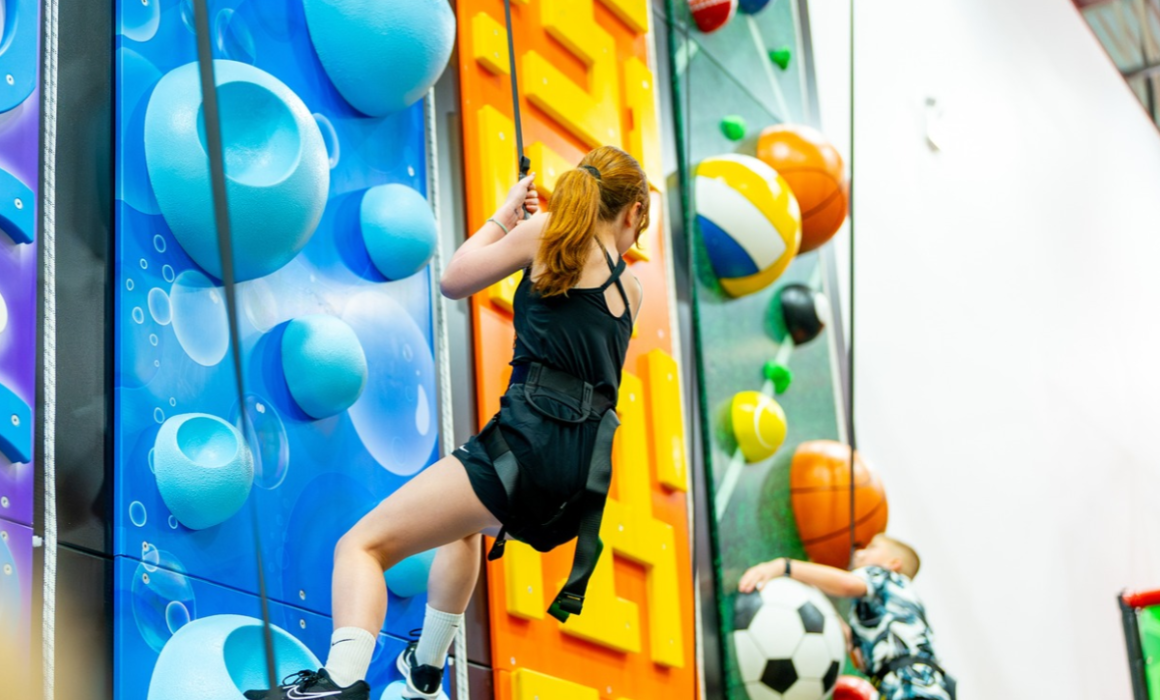
- Climbing and bouldering.
- Parkour, obstacle and ninja-style activity.
- Interactive play walls, floors and target games.
- Basketball shooting, skills areas and small-sided games.
- Adventure golf and other forms of active competitive socialising.
These activities are easy to understand, naturally social and work well as shorter, bookable experiences. They can also attract people who would never describe themselves as gym users and create opportunities for events, leagues, parties and group bookings.
Flexible and Immersive Studios
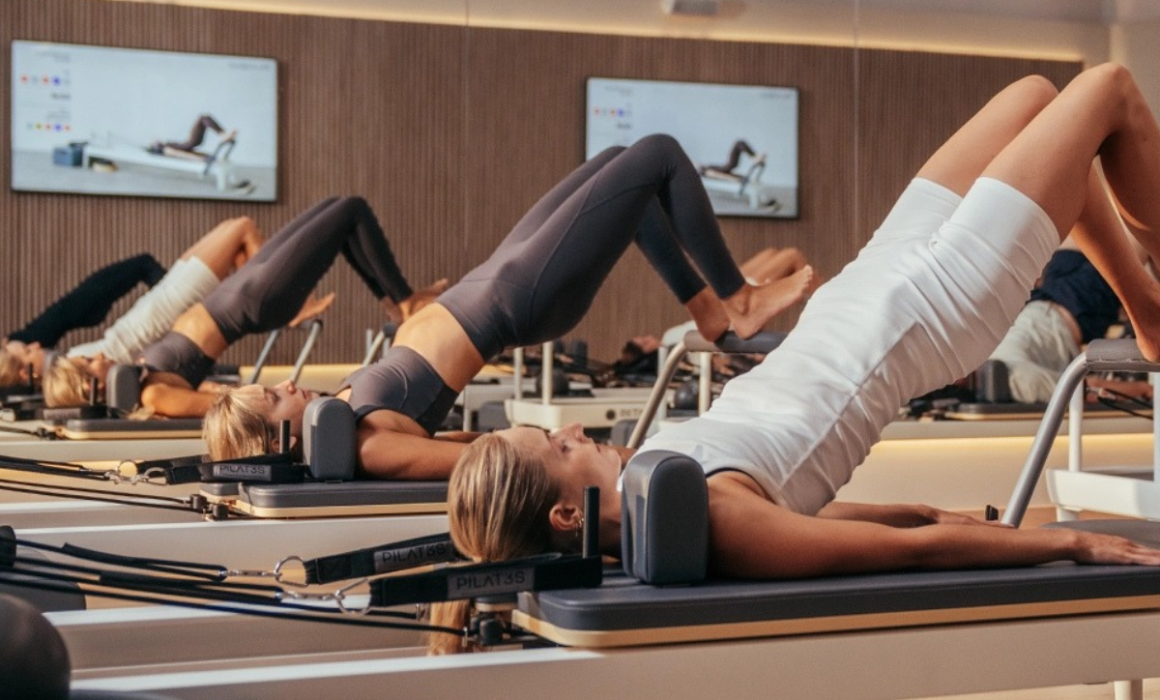
Rather than creating studios with only one purpose, we should think about flexible spaces that could support:
- Dance, group exercise and combat fitness.
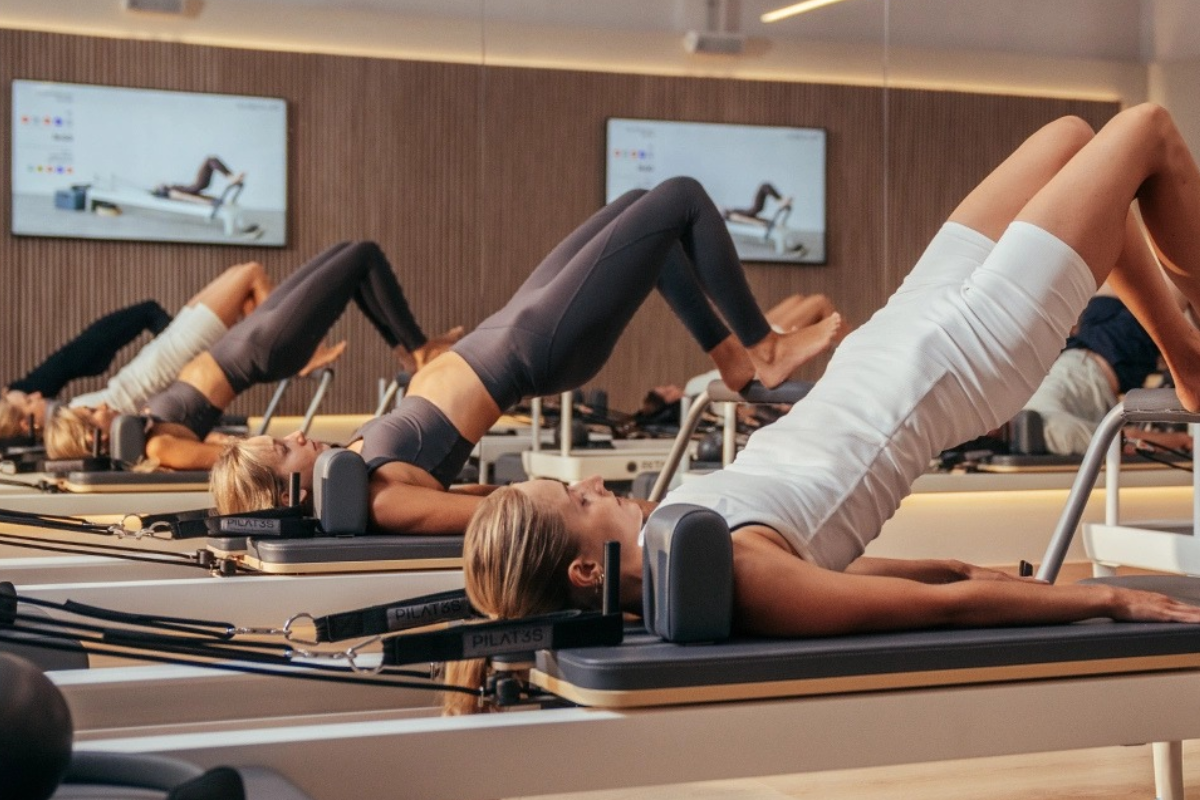
- Yoga, Pilates, mobility and breathwork.
- Immersive cycling and digitally supported classes.
- Small-group training and youth fitness.
- Interactive challenges, virtual experiences and pop-up activities.
Good storage, movable equipment, adaptable lighting, acoustic separation and the right digital infrastructure would allow the programme to keep changing without needing to keep changing the building.
Outdoor Activity that Starts at the Front Door
Where the site allows, the outside offer should be planned just as carefully as the building. That could include:
- Running, walking and cycling trails.
- Pump tracks, skate facilities and learn to ride areas.
- Outdoor fitness and functional training.
- Destination and adventure play.
- Small-sided sport, racket sports and informal activity.
- Landscaped areas for relaxation, social connection and spending time in nature.
Free-to-access outdoor activity can remove some of the cost and confidence barriers, extend the reach of the facility and create a much stronger link with the wider community.
Inclusive Fitness and Performance Spaces
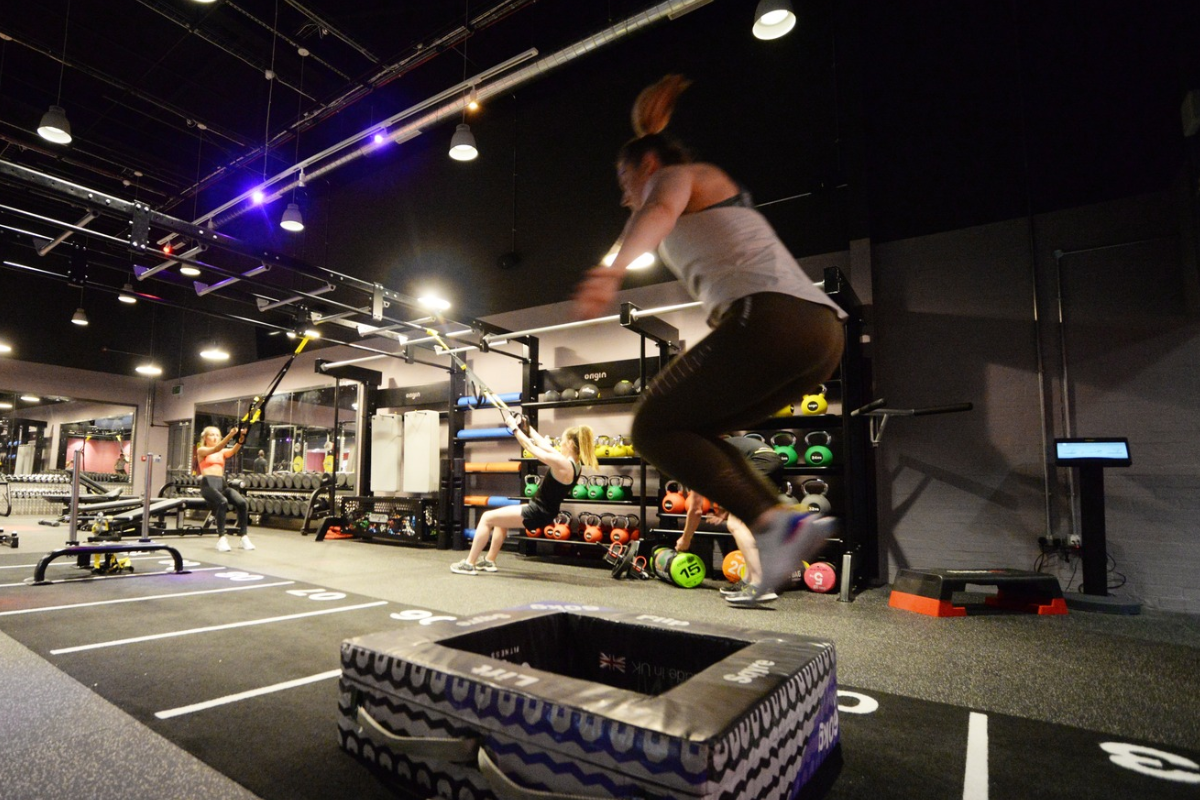
The gym floor will still matter, but it needs to feel welcoming and relevant to a much wider audience.
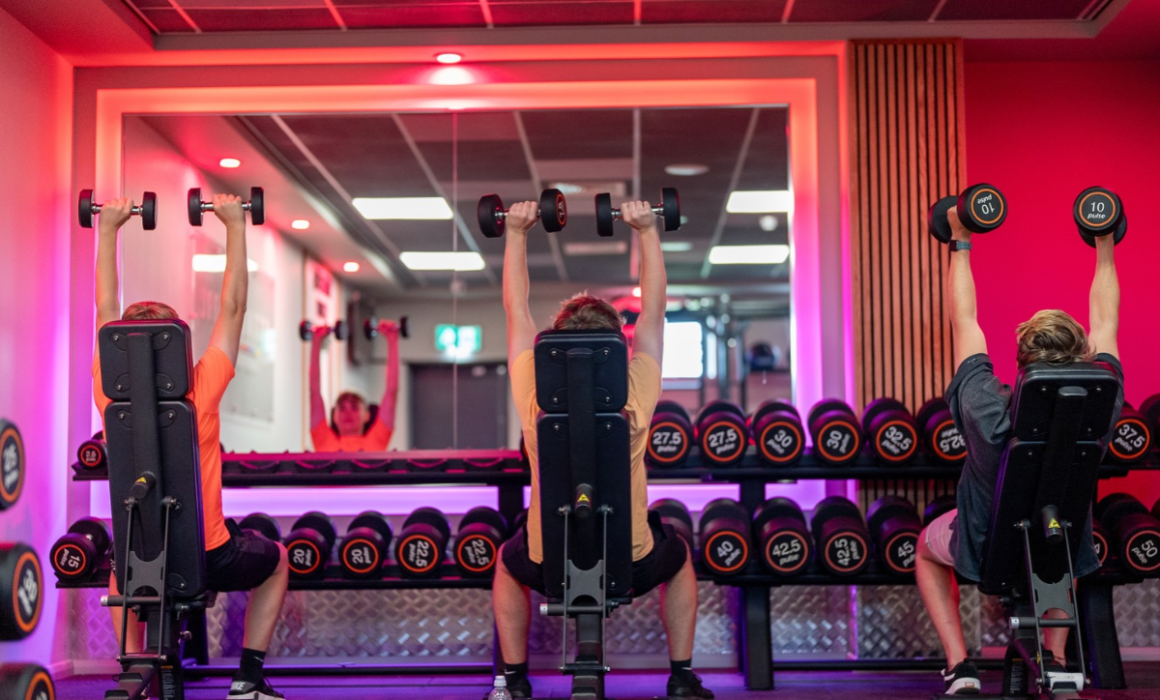
Alongside traditional cardiovascular and resistance equipment, future centres could include functional and Hyrox-style training, athletic development for young people and local clubs, movement assessment, performance testing and smart equipment that provides instant feedback.
Smaller coached zones could be particularly useful for young people and beginners who do not yet have the confidence to step into a large open gym.
Instead of one intimidating room full of equipment, we should be thinking about a range of environments for different goals, abilities and confidence levels.
A Proper Social Heart
The café and reception should not feel like leftover space between the entrance and the activities. A wellness hub needs a proper social heart where people can meet before a session, stay afterwards or visit even when they are not taking part in formal exercise.
Comfortable seating, affordable and healthy food, charging points, informal study or work areas, community events and views into the activity spaces can all help.
For young people, this could become an important safe space between home, education and eventually work. It also creates a stronger reason to visit and a much deeper connection with the facility.
Aquatic Spaces that Work Harder
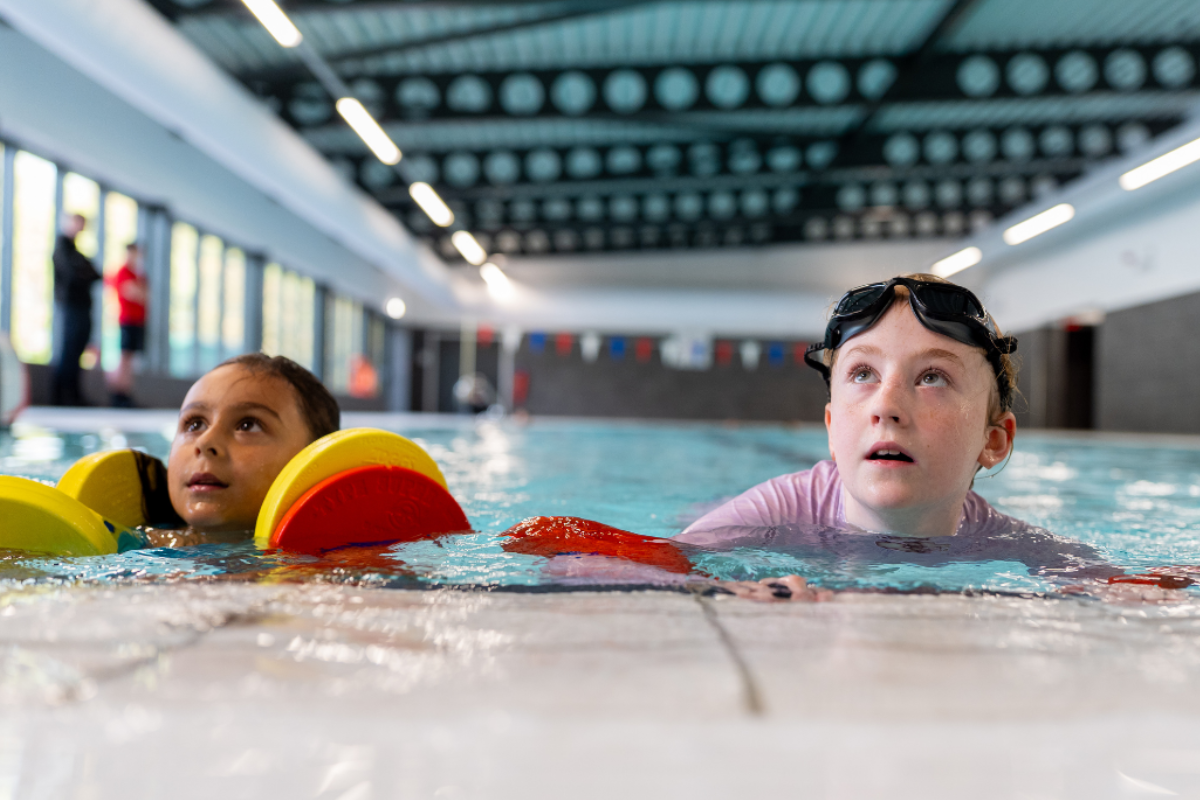
Swimming will continue to be a vital life skill and a really important part of community provision. But we should also be thinking about how water can support more experiences throughout the day.
Alongside lane swimming, that might mean flexible-depth water, dedicated learn-to-swim areas, warmer water, family activity, interactive aquatic play, rehabilitation, low-impact exercise and relaxation.
Where the business case allows, separating some of these uses can help competitive swimming, lessons, family activity and wellbeing operate alongside each other rather than all fighting for the same water space.
The opportunity is to stop thinking about the pool as a standalone facility and start seeing it as part of the wider wellness journey.
Recovery and Wellbeing Spaces
We should be looking at how recovery and wellbeing become a visible part of the main offer. The right mix will be different for each project, but could include:
- Sauna, steam and accessible thermal experiences.
- Hot and cold recovery options.
- Stretching, mobility and guided recovery areas.
- Quiet spaces for relaxation, breathwork or simply switching off.
- Treatment, physiotherapy and health-consultation rooms.
- New recovery technology where there is proper evidence, customer demand and a sustainable operating model.
Some products will change much faster than the building itself. Creating flexible serviced spaces that can take new technology could make more sense than designing the whole facility around whatever happens to be popular today.
Buildings that are Ready for What Comes Next
Perhaps the most important decision is not a particular facility at all. It is making sure the building can respond when customer expectations change.
Good storage, flexible power and data, strong connectivity, movable walls, adaptable lighting and spaces that can be reconfigured will all help protect the long-term investment.
For Alliance, this is where our role can really add value. We can combine local insight with our understanding of new products, operators and suppliers. It is not simply about finding what is popular now. It is about working out which ideas meet a genuine customer need, which can support a viable operating model and where we need to create enough flexibility for whatever comes next.
Designing for Change
The answer is not to chase every new trend. It is to create flexible spaces, infrastructure and operating models that can adapt as customer expectations change.
The right mix will be different for every project. Our role is to start with the evidence, understand the local community and make sure the building can evolve without needing to be reinvented.