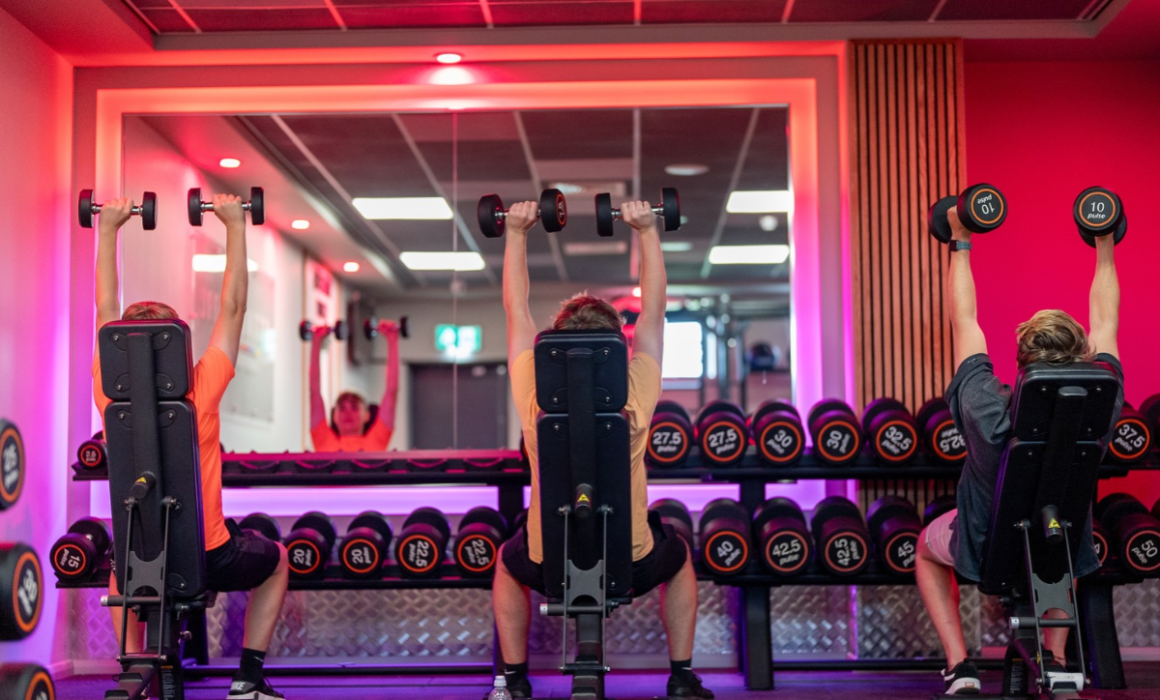
The next generation of adults will bring different expectations around activity, wellbeing, technology and connection. What can we learn from how they already live, play and socialise?
When we start planning a new leisure centre, it is naturally shaped by what people want and need now. But these buildings will hopefully be serving their communities for the next 30 or 40 years, so we also need to think about who is coming next.
Generation Alpha is generally defined as those born between 2010 and 2024, so they are still children and teenagers. The oldest are now in their later teenage years and will start moving into adulthood towards the end of this decade.
My two sons are 18 and 20, so they sit just above the Gen Alpha grouping, but I have seen first-hand how differently they choose to be active, how they connect with their friends and how they interact with the world around them. That has definitely helped shape this article and, as a parent, I can relate to so much of what the research is telling us. The generational labels will never tell the whole story, but the changes are very real.
We obviously cannot predict exactly what they will all want in ten or fifteen years. However, the way they already communicate, play, learn, socialise and make choices gives us some really useful clues.
This is the first generation to have grown up completely surrounded by smartphones, streaming, social media, gaming, wearable technology and instant access to information. Ofcom’s 2025 research found that YouTube and Google Search were used by almost all UK children aged 8 to 14. Online spaces are also playing a major role in how teenagers connect with their friends.
That does not mean the answer is to fill our future leisure centres with screens. For me, it means we need to understand the expectations that come with growing up in that world: choice, convenience, personalisation, visible progress and the ability to connect with other people.
We also need to recognise that young people do not all experience activity in the same way. The Youth Sport Trust’s 2025 Girls Active research found that girls are 3.4 times more likely than boys to lack confidence when taking part in physical activity, twice as likely not to achieve 60 minutes of activity each day and 1.9 times more likely to feel that they do not belong at school. The barriers are even greater for girls facing more than one characteristic of inequality. We cannot ignore that when we are designing the spaces, activities and experiences that are meant to engage the next generation.
The exciting bit is that leisure and wellness facilities can then offer something the online world cannot fully replace: real movement, real experiences, real human connection and a genuine sense of belonging.
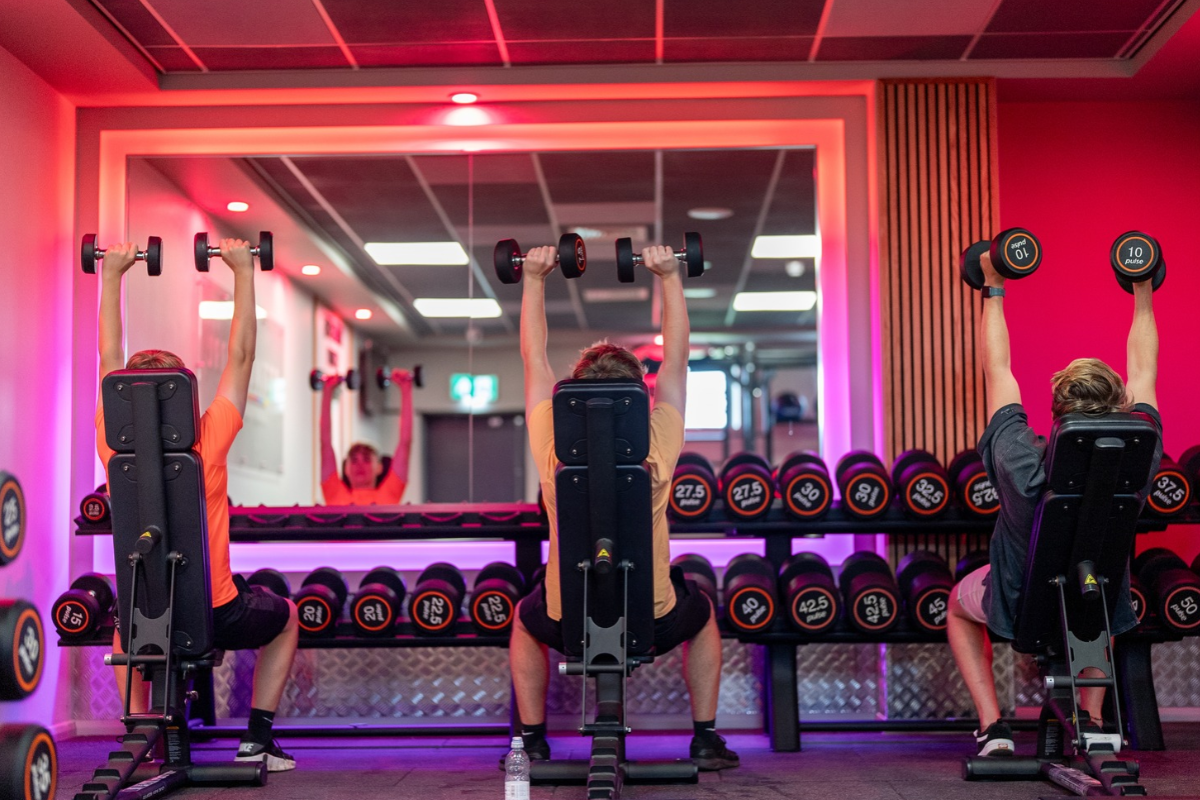
From leisure centres to places that help people feel better
The move towards wellness hubs feels particularly relevant when we think about Gen Alpha because they are unlikely to view health as being simply about going to the gym or playing a traditional sport.
Fitness, mental wellbeing, sleep, recovery, nutrition, confidence and social connection are becoming much more joined up. Their goals may not simply be to lose weight, swim faster or lift more. They might want more energy, better sleep, improved sporting performance, less stress, time with friends or just to feel better about themselves.
That creates a big opportunity for our sector. Sport England’s latest Active Lives survey found that only 49.1% of children and young people aged 5 to 16 in England are achieving an average of 60 minutes or more of activity a day. That means just over half are still not active enough.
There is also a clear inequality challenge. Sport England’s 2024/25 Active Lives Children and Young People Survey found that only 45% of children from the least affluent families meet the recommended activity level, compared with 58% of those from the most affluent families. That is a really important point when we think about pricing, accessibility and the role future community wellness hubs need to play.
Doing more of the same is unlikely to change that. We need to create more ways into activity, especially for young people who do not see themselves as sporty or feel that a traditional gym is for them.
Future wellness hubs should feel less like buildings that people visit for one specific activity and more like places where they can move, meet, recover, learn and spend time.
What might Gen Alpha expect?
More social and experience-led activity
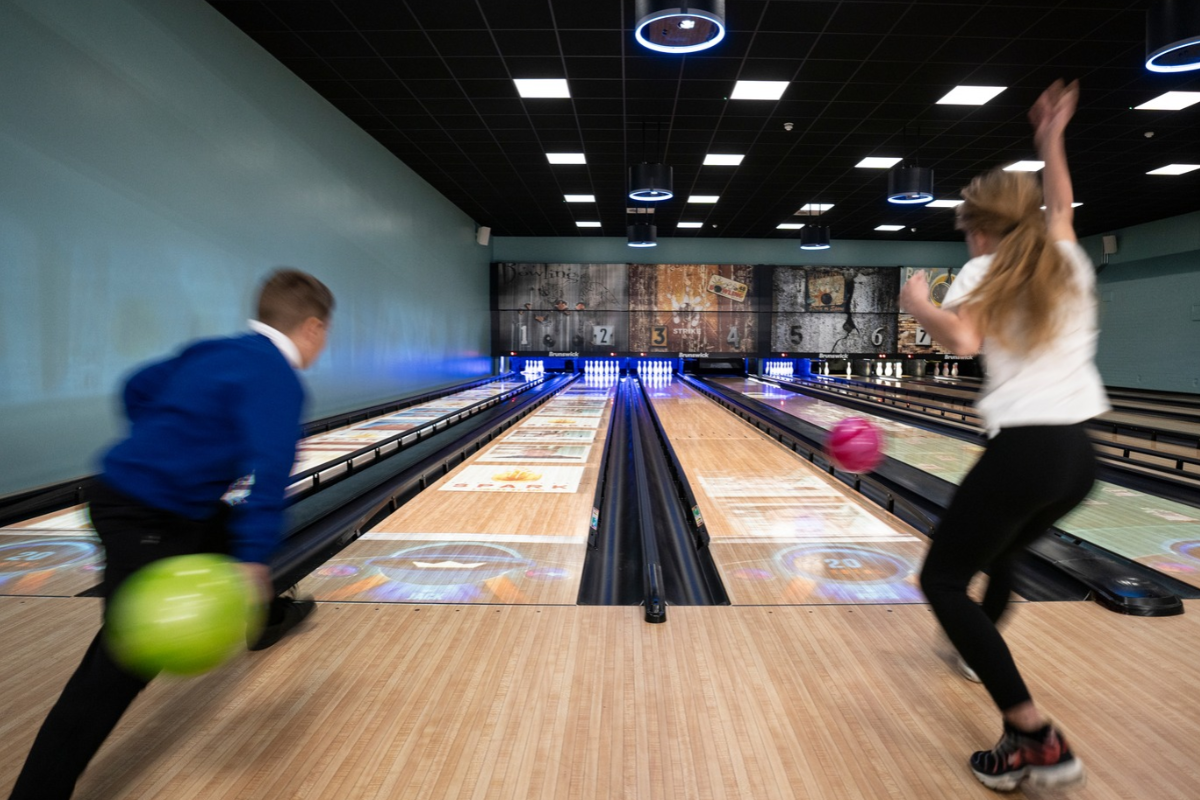
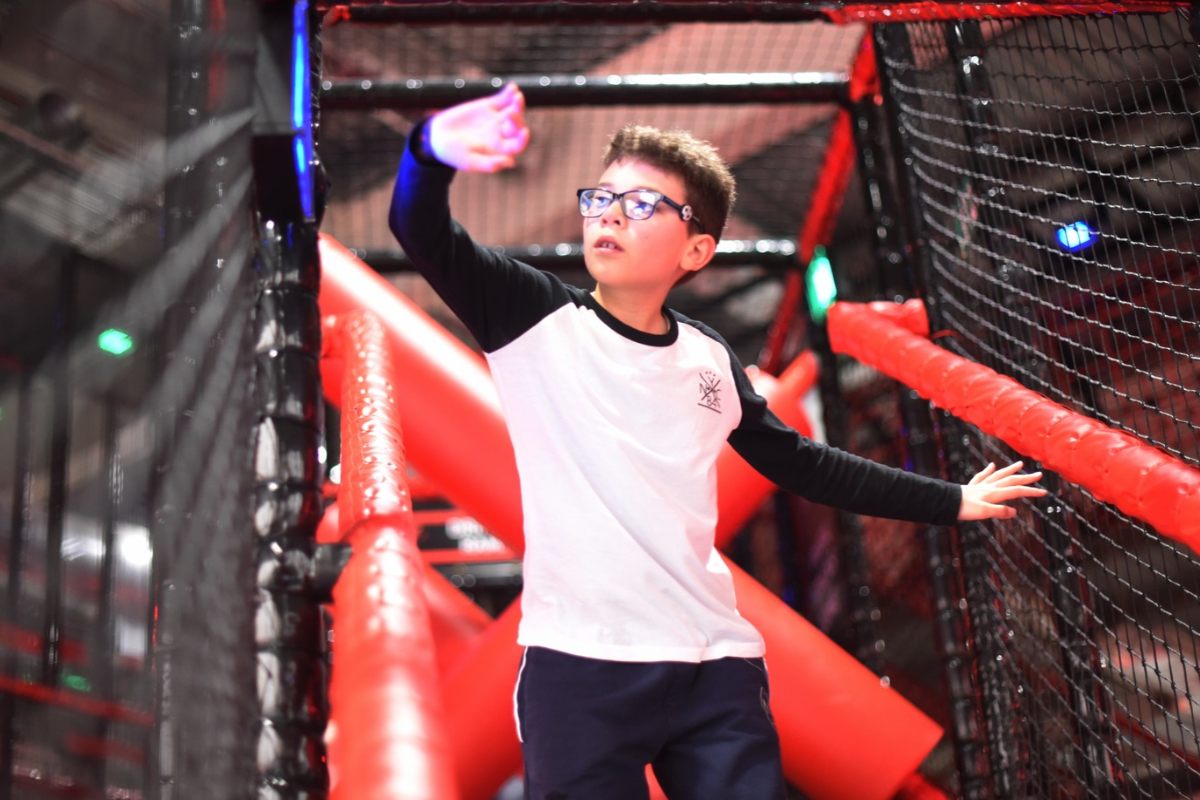
For many young people, the social experience will be just as important as the activity. Padel, climbing, obstacle courses, parkour, basketball, dance, combat fitness, pickleball and competitive socialising, such as ten-pin bowling or, for older teenagers, experiences like Flight Club and Sixes, can all get people moving without it feeling like a conventional workout.
We need activities that young people can try quickly, enjoy with friends and feel some success from, without needing years of experience first. I see this with my own son, who regularly plays nine holes of golf with a group of friends. They often play a Texas Scramble rather than traditional individual stroke play, which makes it quicker, more social and keeps everyone involved. They are still walking the course, being active and enjoying some friendly competition, but in a format that feels much more connected. Short-format leagues, team challenges, drop-in sessions and bookable social spaces could become just as important as traditional clubs and classes.
Progress they can see
Gen Alpha is used to progress being visible. Games give them levels, feedback, rewards, challenges and a clear next step. Physical activity can borrow some of that thinking without becoming gimmicky.
Interactive walls and floors, immersive cycling, smart fitness equipment, performance testing, virtual coaching and team challenges can all make activity more engaging. Wearables and apps could also help someone track their progress across the whole wellness hub rather than within one class or on one piece of equipment.
Technology should support the experience, though, not take it over. We do not need to create a digital leisure centre. We need to make physical activity easier to understand, more rewarding and more relevant.
There is another important benefit here. Leisure and physical activity can give young people the experience of working towards something. Learning a skill, completing a challenge, improving a personal best or contributing to a team can build confidence, discipline and resilience as well as physical fitness.
Spaces that can change
The traditional model often tells the customer what each room is for. A studio is for classes. A sports hall is for badminton or five-a-side. A gym is for structured exercise.
I think the next generation will expect more flexibility. One activity space could host functional training in the morning, school use during the day, interactive challenges after school and a social competition in the evening. A studio could support dance, yoga, immersive workouts, wellbeing sessions and community activity.
Trends will also change much faster than the buildings. Adaptability therefore has to be part of the original design rather than something we try to solve later.
Recovery and everyday wellbeing
If we are serious about creating wellness hubs, recovery cannot just be an expensive extra hidden away behind the spa doors.
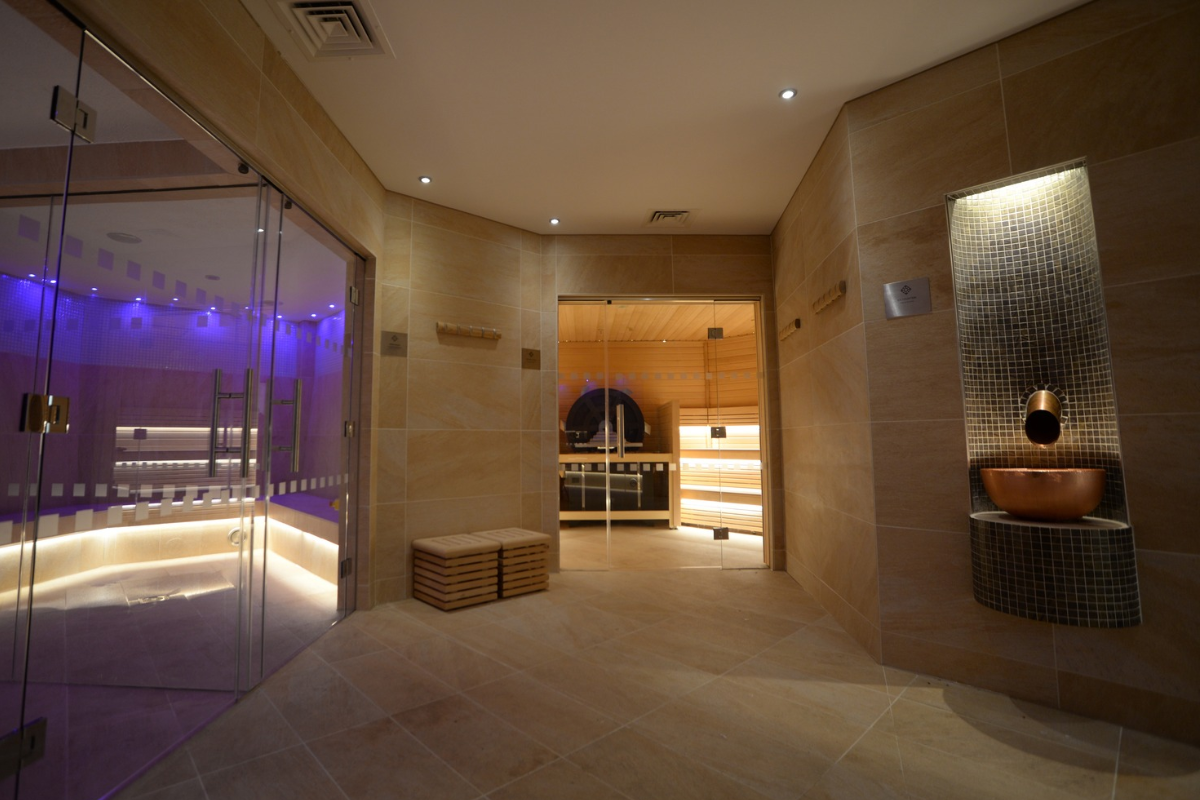
Thermal experiences, red light, cold plunges, stretching and mobility areas, quiet rooms, breathwork, relaxation, sleep education and appropriate recovery technology could all become part of the everyday offer.
This also helps us reach a wider audience. Not everyone wants high-intensity exercise and not every visit needs to involve breaking a sweat. A proper wellness hub should still have something to offer on a low-energy day, during injury recovery or when someone needs support with their physical or mental wellbeing.
Different environments for different people
We also need to be careful not to design around one imagined version of a young person. Gen Alpha is incredibly diverse and needs will vary depending on culture, income, gender, disability, confidence and neurodiversity.
Busy, loud and highly visible spaces will work brilliantly for some people and put others off completely. Clear wayfinding, quieter routes, smaller activity spaces, adjustable lighting, accessible changing, sensory-aware sessions and somewhere to pause can all make a huge difference.
Inclusion has to be part of the initial thinking, not something we add once the building has already been designed.
What this means for leisure
None of us can say exactly which activities will still be popular in 2040. What we can see are the deeper behaviours already coming through: a desire for choice, shorter and more accessible experiences, visible progress, social connection, flexibility, convenience, inclusion and a much more joined-up view of wellbeing.
The switch to wellness hubs gives us a brilliant opportunity to look beyond the customer we already know. Gen Alpha cannot be an audience we promise to think about later. They are already growing into the customers, employees, parents and community leaders who will decide whether these buildings remain relevant.
We will not predict everything they want, and we do not need to. But we can start by understanding them properly and creating places that deliver something the online world cannot fully replace: real movement, real experiences, real human connection and a genuine sense of belonging.