What the HCM Summit Reinforced About the Future of Leisure
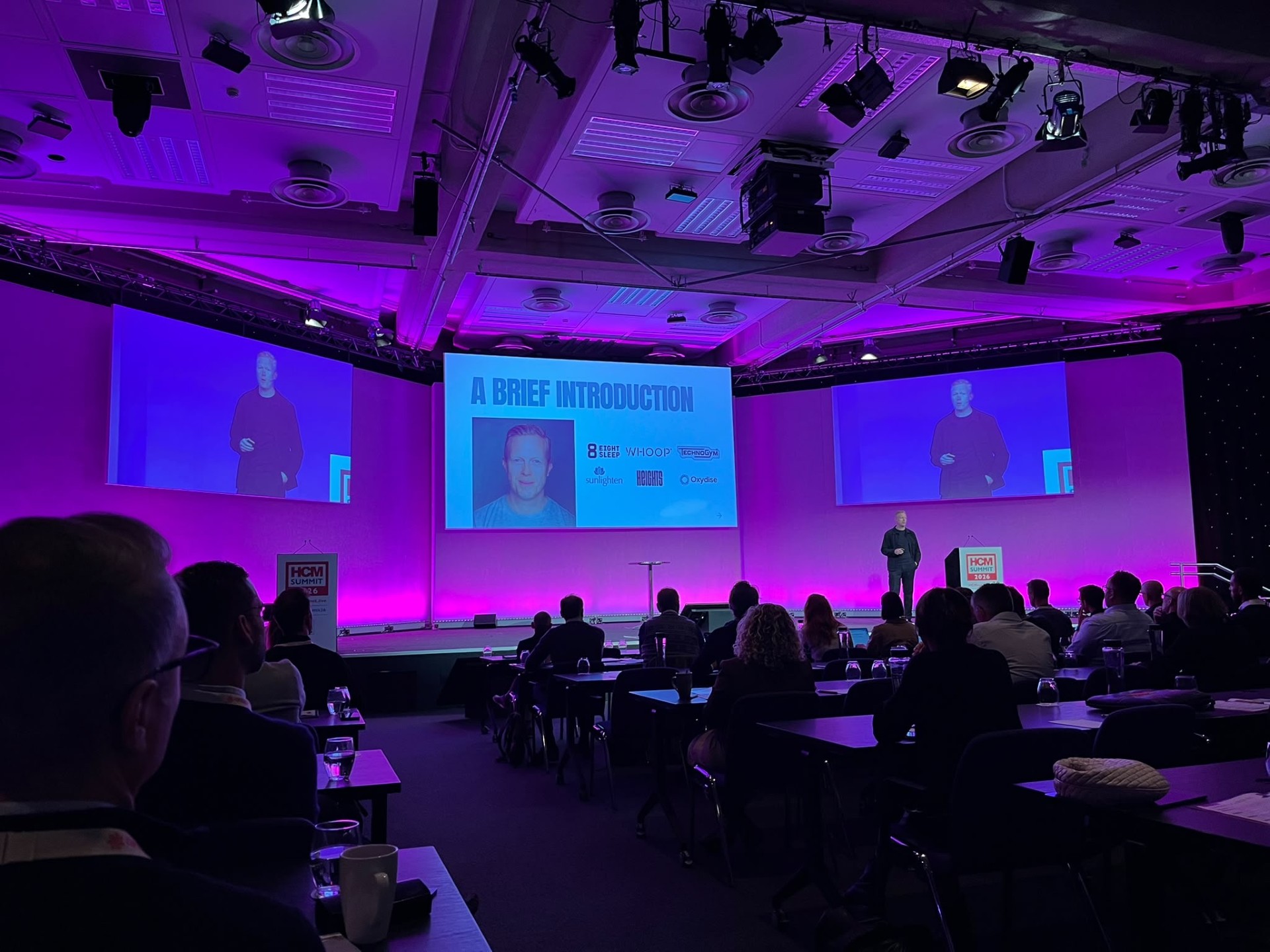
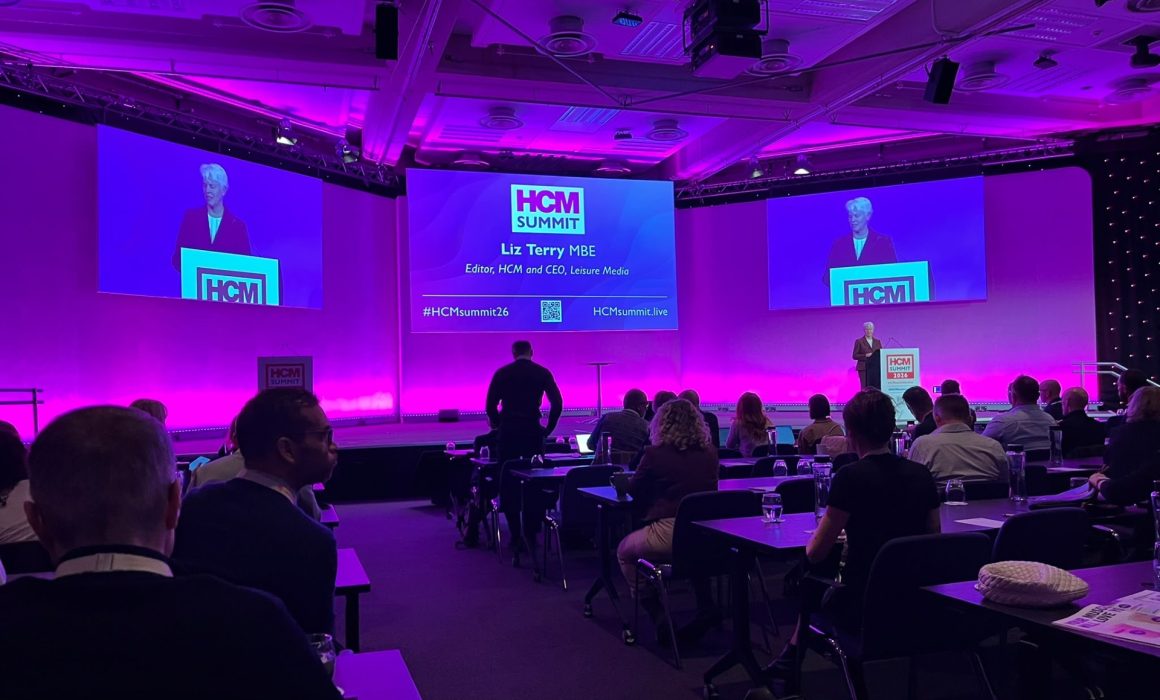
A few of our team recently attended the Health Club Management Summit, both online and in-person, and we valued the opportunity to hear from industry leaders across health, fitness and wellness.
Two themes stood out to us: the growing integration of health and leisure, and the need to recognise brain fitness as an important part of overall wellbeing.
Both reinforce a view that has potential implications for how we plan and deliver community infrastructure.
Health and Leisure are Moving Closer Together
One of the clearest messages from the HCM Summit was that the relationship between leisure and healthcare is evolving. Exercise is increasingly recognised as an important part of prevention, rehabilitation and the management of long-term health conditions. The challenge is making it easier for people to access physical activity as part of their wider health journey.
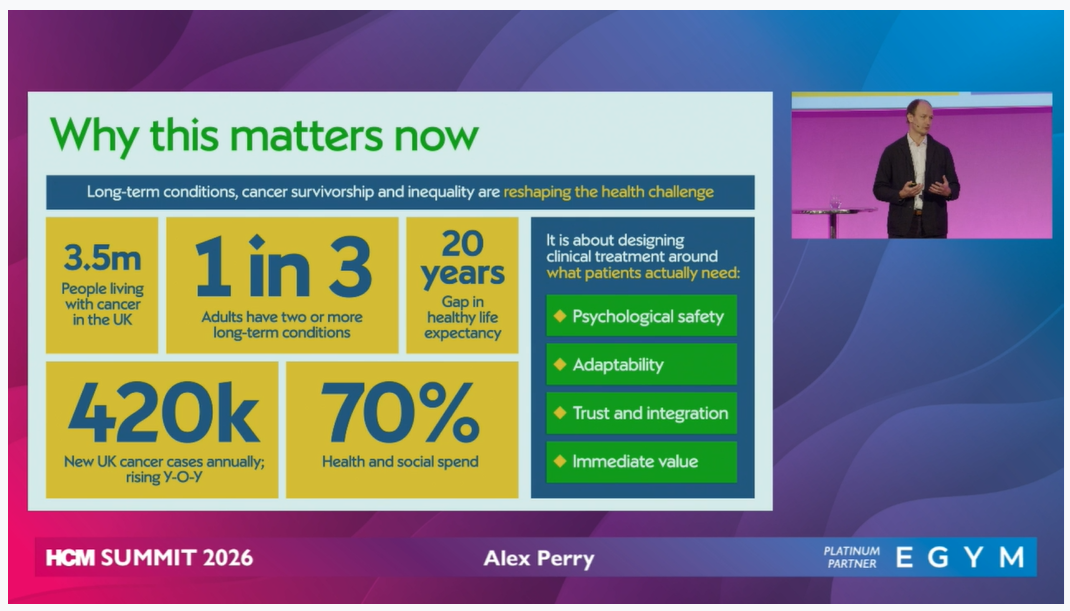
Alex Perry, CEO of Nuffield Health, highlighted the benefits of combining strength and aerobic exercise, alongside the barriers that prevent many people from being active.
Meanwhile, Gaëtan De Smet, Managing Director of Jims Fitness, part of Colruyt Group, discussed initiatives connecting fitness with healthcare, including pathways that help people continue their physical activity after hospital treatment. These discussions reinforced an important point: the transition from clinical care to independent, sustained physical activity needs to be better connected.
For Alliance Leisure, this raises questions that extend beyond how leisure facilities are designed. How can community infrastructure support closer working between healthcare providers and leisure operators? How can we make referrals into physical activity programmes feel like a natural next step, rather than another service to navigate? And how can the places we develop help people overcome the practical and psychological barriers to participation?
Co-location is one potential answer. Bringing clinical services and leisure facilities together could create more accessible pathways between healthcare and physical activity, while making better use of community assets.
The examples shared at the Summit illustrated why the environment matters. A person who already visits a building for healthcare appointments may feel more comfortable accessing an exercise programme in the same location. Familiar surroundings, accessible transport links and a welcoming reception can all help reduce the anxiety associated with starting something new.
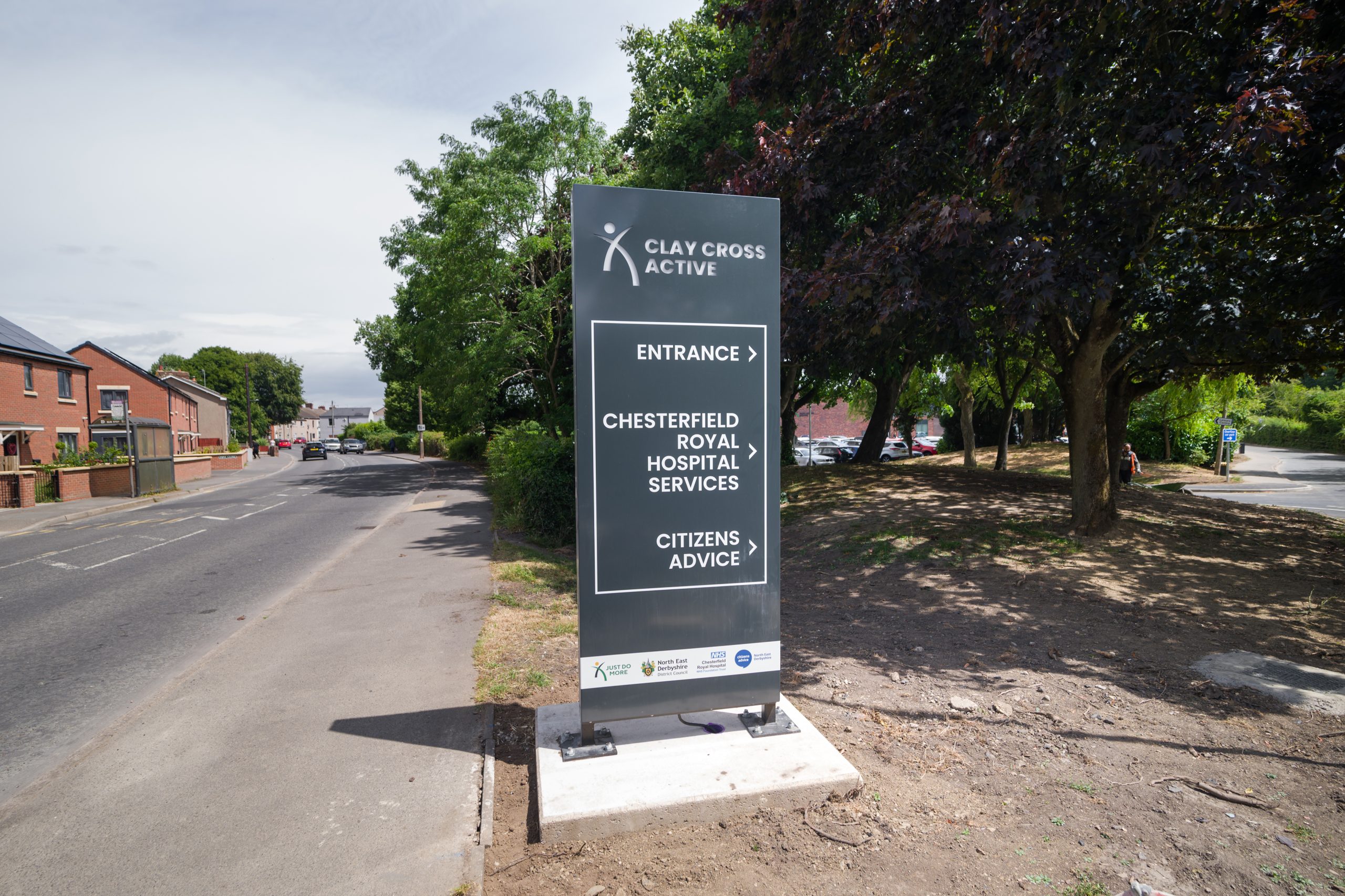
We have seen this first-hand at Clay Cross Active, delivered for North East Derbyshire District Council. NHS maternity clinics, NHS-standard consultation rooms and Citizens Advice operate alongside the pool, gym, wellness suite and family activities. The result is not simply several services sharing an address; it is a place where health support and opportunities to be active feel part of the same everyday experience.
These are not simply operational considerations. They should inform the conversation about what we build, where we build it and which services we bring together.
Looking Beyond Physical Fitness
The second theme was a broader understanding of what it means to be healthy. Discussions explored brain fitness, mental wellbeing and nutrition, reinforcing the importance of considering health as a combination of interconnected factors rather than focusing on physical fitness alone.
Gaëtan De Smet’s discussion of initiatives connecting fitness, food and healthcare provided a practical example. The ’Move & Save’ initiative, for instance, rewards gym visits with credits towards fruit and vegetables in people’s weekly shop – an idea which could be replicated in the UK.
The Summit also highlighted the importance of supporting people to move again following illness or treatment. Jims Fitness’ ‘Move for Health’ pathway aims to provide continuity between hospital-based care and ongoing physical activity, helping people make that transition with appropriate support.
This is already central to the way we approach community facilities. We use local health data, consultation and early partner engagement to shape the brief, then assemble the right mix of spaces and services around the outcomes a place needs to achieve. A leisure centre still provides the space and equipment for activity, but its value grows when it also connects people with practical support, trusted services and reasons to keep coming back.
Duncan Jefford, Managing Director of Everyone Active, also highlighted the need for leisure centres to focus more closely on health and wellness outcomes. This reflects a wider shift in how the sector can define success: not simply through facility usage, but through the contribution leisure services make to people’s lives.
Those ambitions have to be built into a project from day one. At Alliance Leisure, understanding local need, identifying delivery and service partners, and testing how different uses can work together form part of the early development process, before the design becomes fixed.
The Importance of Integration
The commercial case for closer integration was also reflected in the wider market perspective shared by Steffen Gausselmann, Senior Manager in the Sports Business Group at Deloitte Germany. His insights into the European health and fitness market highlighted integration with healthcare systems as an important growth driver.
This matters because closer integration is no longer a niche idea or a future aspiration. It is becoming part of how the sector plans investment, measures value and responds to pressure on both local services and healthcare.
John Oxley, CEO of Life Leisure, offered another important perspective, emphasising the need to focus less on facilities and markets and more on communities and the outcomes organisations can help people achieve.
Alliance Leisure is already delivering beyond the traditional leisure centre model. At Beachfields in Sheerness, the regeneration programme includes an expanded GP surgery within the leisure centre alongside upgraded fitness, play and community facilities. Different places need different answers, but the principle is consistent: start with the outcomes the community needs, then bring the right services and partners around them. Not every community will require the same solution. However, a more integrated approach creates opportunities to develop places that respond to a wider range of needs, including those of people who may not consider a traditional leisure centre relevant or accessible to them.
Turning a Shared Ambition into Practical Action
There was a clear sense that the industry understands the potential of a more integrated approach to health and leisure. The next challenge is translating that ambition into projects that can be delivered.
This is where procurement and development routes matter.
The UK Leisure Framework (UKLF), owned and managed by Denbighshire Leisure Ltd, provides a route for public sector organisations to work with Alliance Leisure as its exclusive Development Partner on community development projects.
The UKLF has a broad focus across leisure, sport, culture, heritage, health and wellbeing. Importantly, its recently expanded scope enables eligible clinical construction projects to be considered, giving public sector organisations a practical route to develop clinical facilities as part of wider community and place-based investment. For local authorities exploring co-located health and leisure provision, this provides another route to consider when planning future investment. It also creates an opportunity to bring different elements of community infrastructure into the conversation earlier, rather than treating them as entirely separate projects from the outset.
A procurement route alone will not make co-location work. Successful projects still rely on committed clinical and operational partners, a sound understanding of local need, appropriate funding and a sustainable service model. Our role is to bring those strands together early, manage the development process and turn a shared ambition into a project that can be delivered. That is what Alliance Leisure already does for public sector partners: we test the opportunity, use data and engagement to strengthen the brief, bring the right people around the table and manage the route from early concept through design, construction and launch. As the boundaries between leisure, health and community services continue to shift, that joined-up development role becomes even more valuable.
Overall, the conversations at the HCM Summit reinforced the importance of looking beyond traditional models of leisure provision. The challenge now is to turn that shared ambition into practical plans for the places where people live.