
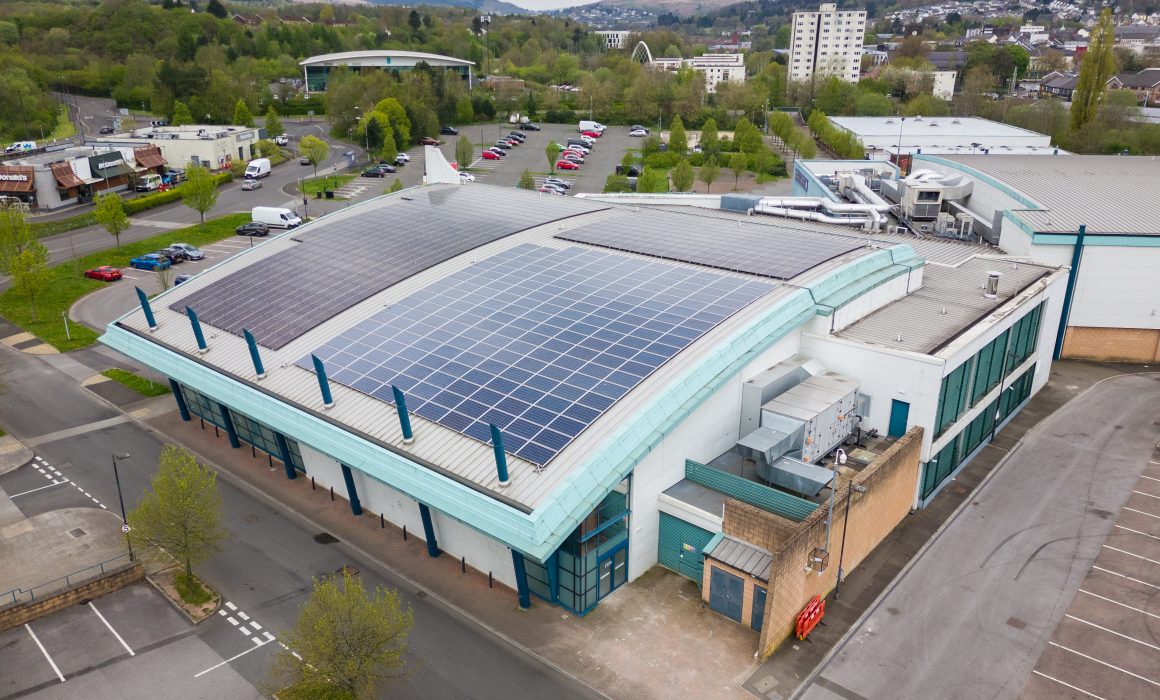
Decarbonising Welsh council buildings: turning ambition into action
The recent findings from Audit Wales put a stark figure on the challenge facing the Welsh public sector: at least £2.3bn could be required to decarbonise council buildings across Wales. The report also highlights the financial pressures, skills gaps and uncertainty around the true cost of decarbonisation that are slowing progress.
In my experience working with local authorities however, knowing that a building needs to become more sustainable is rarely the difficult part. The harder questions are where to invest first, what level of intervention makes sense and how to turn ambition into something that is affordable and deliverable.
And when it comes to leisure facilities, I think there is another important question we need to ask. Is this actually the right building to invest in for the next 20 or 30 years?
Looking beyond carbon
Many of the leisure centres our team works with were built decades ago. In fact, in Wales over 70% of public sector leisure facilities are over 30 years old – 54 of which have been operating for at least half a century. High energy consumption is often only part of the problem. Ageing plant, deteriorating building fabric, increasing maintenance costs and changing community expectations can all mean significant investment is required, irrespective of net zero commitments.
That is why, in my experience, decarbonisation is best considered as part of a much wider conversation about the future of an asset.
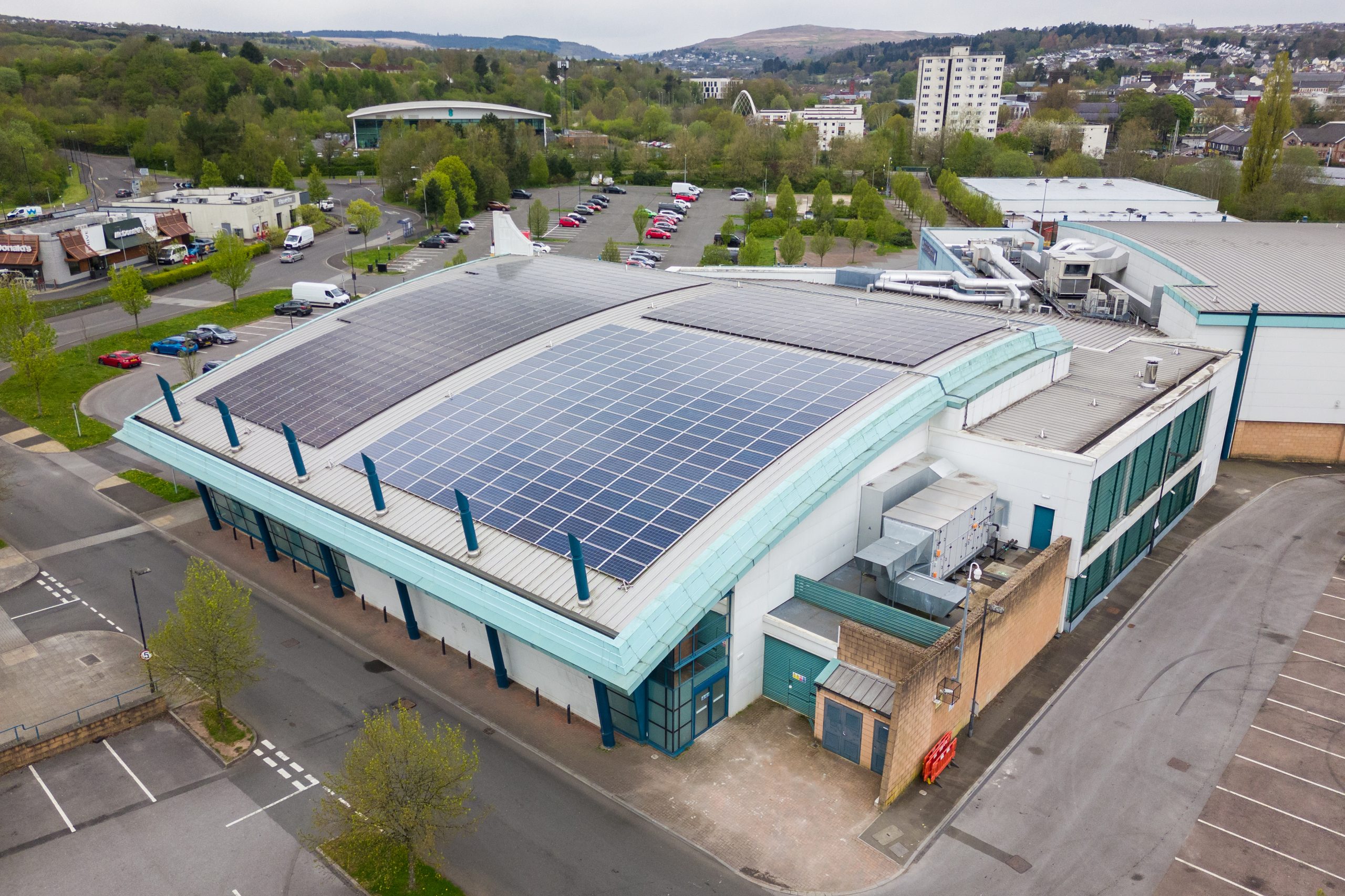
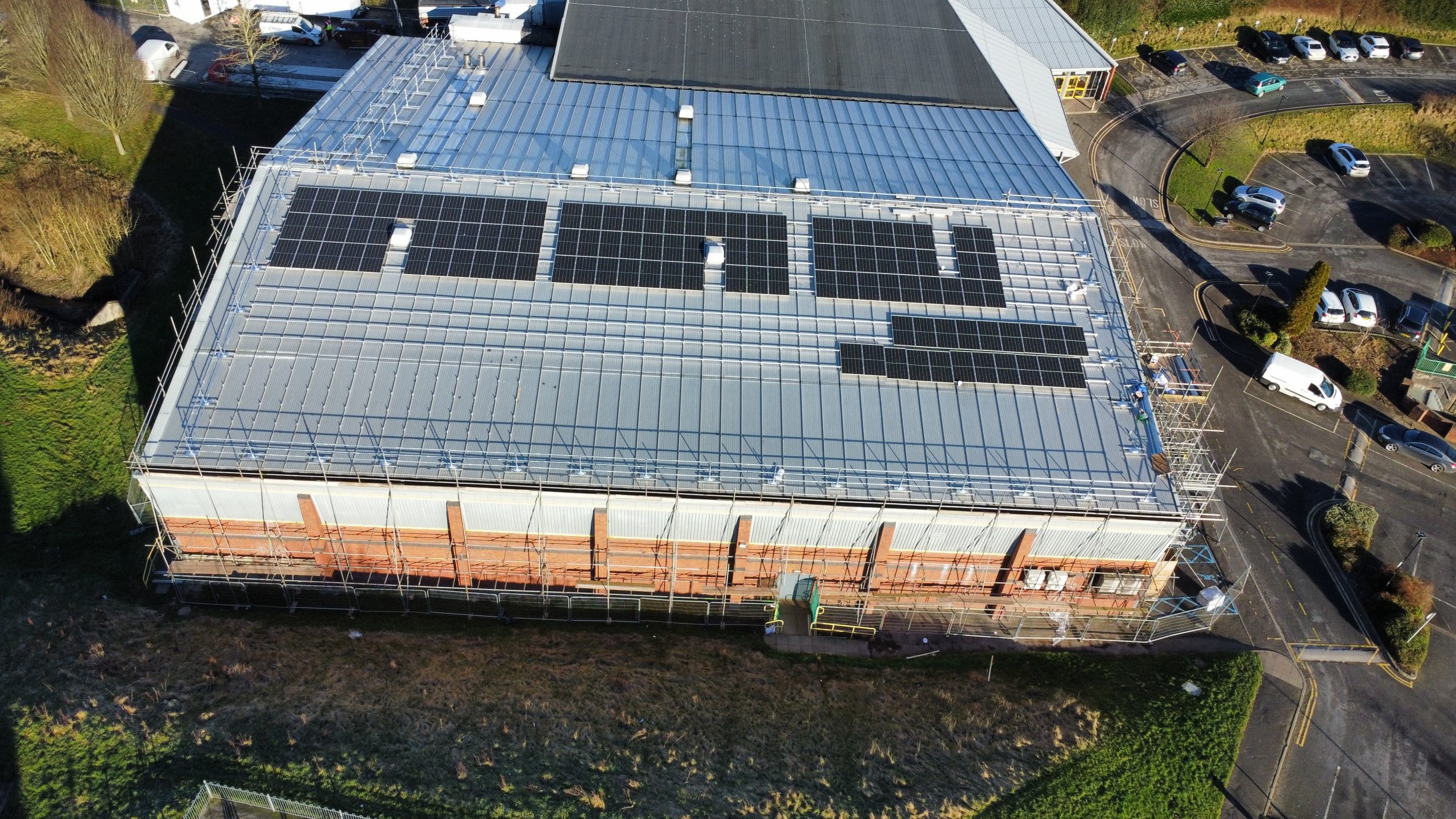
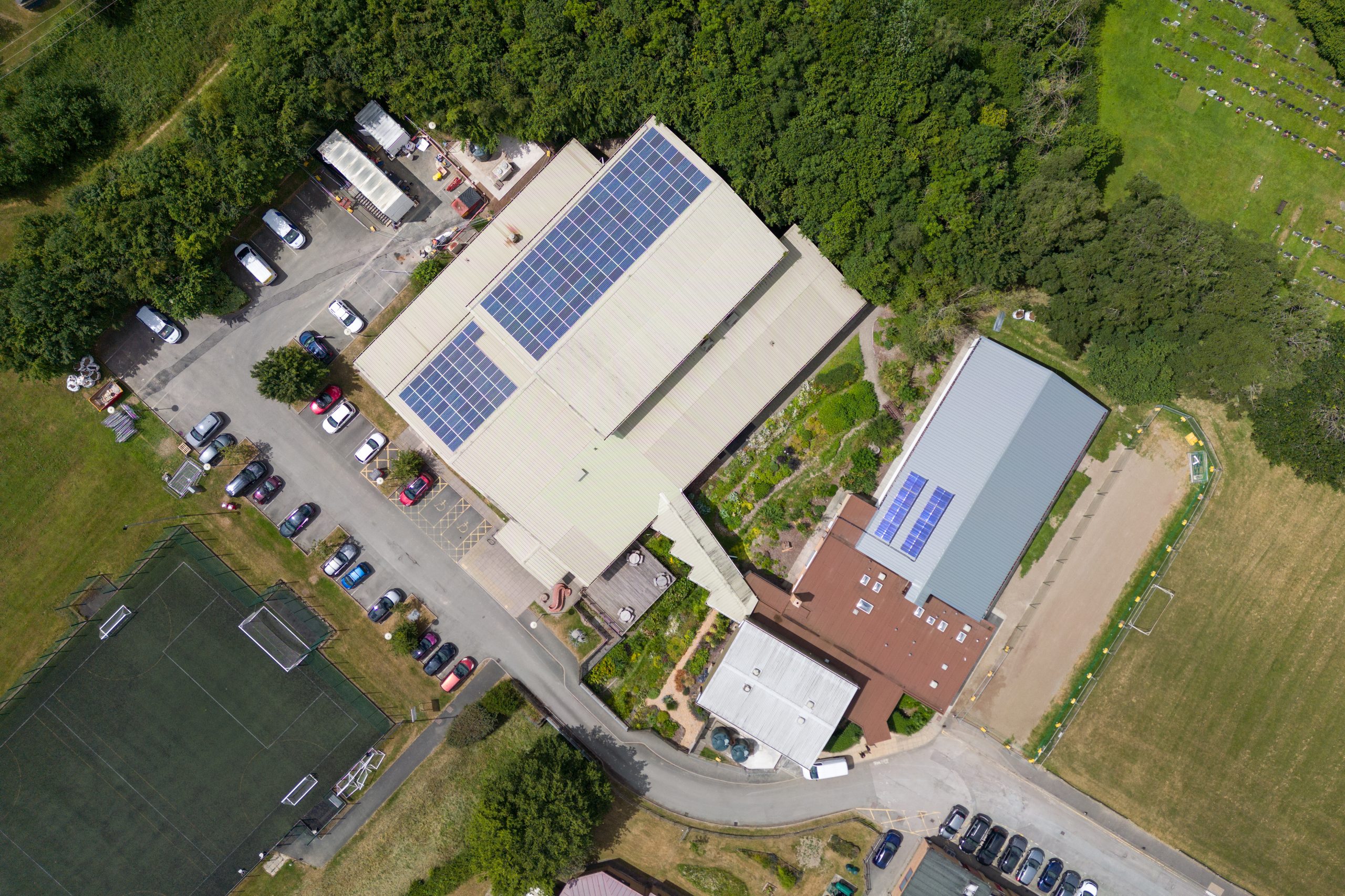
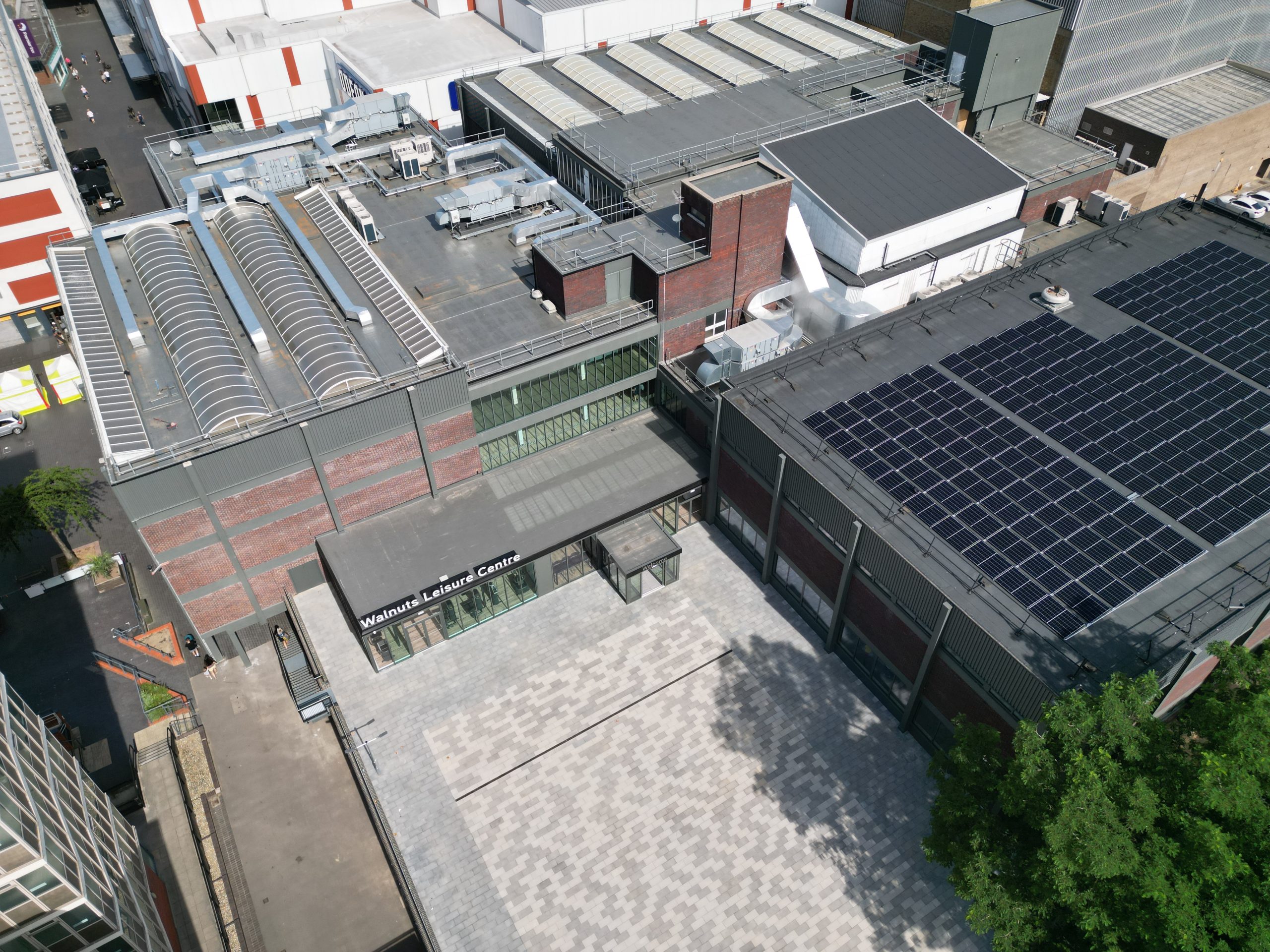
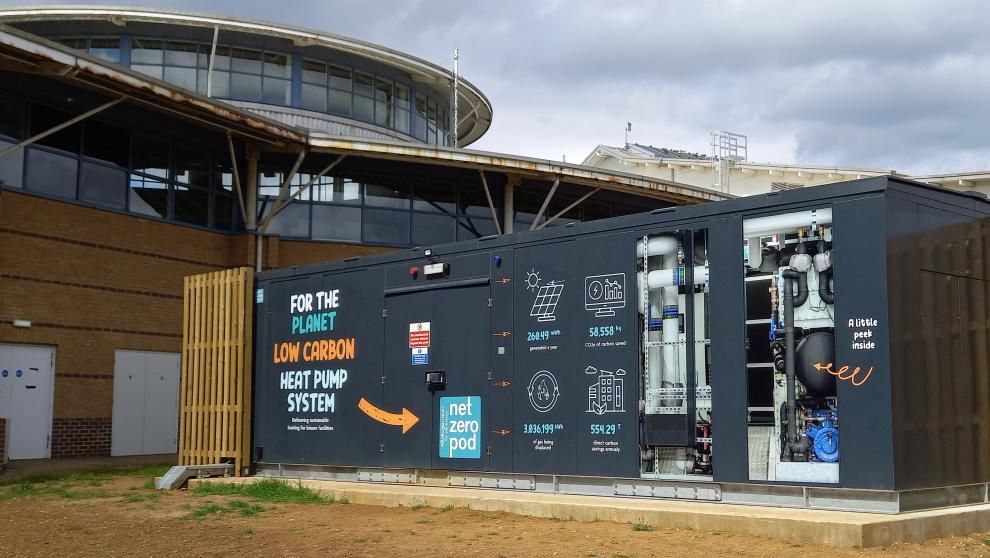
Sometimes the right answer is to improve the building you have. Measures such as LED lighting, solar PV, improved building controls, heat pumps and more efficient ventilation can make a significant difference.
Sometimes it requires more fundamental refurbishment. And sometimes the better long-term answer is replacement.
For me, that means the starting point should not simply be “How do we decarbonise this building?” Do we retain it, refurbish it, rationalise it or replace it?
Prioritising investment
The scale of investment identified by Audit Wales makes prioritisation particularly important. Councils cannot address every building at the same time, and I do not believe they should try.
Our team looks at the bigger picture: current energy performance, building and plant condition, operational costs, remaining asset life, utilisation, community need and the potential return from different interventions.
Bringing those factors together gives authorities a much clearer picture of where investment can make the greatest difference. It also helps separate relatively quick opportunities from those facilities where continuing to patch and improve an ageing building may ultimately provide poor value for money.
Moving from strategy to delivery
One thing I have seen repeatedly is that having a sustainability strategy and successfully delivering projects against it are two very different things.
This is where our team at Alliance Leisure has increasingly been supporting authorities. Take a look at some of our sustainable projects here.
Rather than looking at an energy intervention in isolation, we can help councils understand the opportunity, assess the options, develop a viable project, identify potential funding routes and ultimately take it through to delivery.
Through Alliance Leisure and the UK Leisure Framework, decarbonisation projects have already been delivered across multiple leisure facilities, helping reduce reliance on fossil fuels while improving the longer-term resilience of public leisure assets.
For me, that is important because sustainability cannot be pursued regardless of cost. Environmental sustainability and financial sustainability have to work together.
Putting this into practice in Wales
We are already putting this approach into practice in Wales. Our team has been working with Conwy County Borough Council on a £3.57m decarbonisation programme at Abergele Leisure Centre.
The project includes replacing the existing gas boilers with air-source heat pumps alongside new air-handling units, rooftop solar PV, LED lighting, improvements to the building management system and supporting electrical infrastructure.
What is particularly interesting about Abergele is the funding model. The council secured approximately £3.21m of Welsh Government funding, representing 90% of the project budget, with the remaining 10% coming through council match funding.
It is a good example of what can happen when the technical solution, funding strategy and project delivery route come together.
Funding has to be part of the conversation
Of course, with an estimated £2.3bn challenge across Welsh council buildings, grants alone are not going to solve everything. That is why I think the conversation increasingly needs to shift from individual funding opportunities towards longer-term investment planning.
- Which buildings offer the greatest opportunity?
- Where can operational savings support the investment case?
- Which projects should happen first?
- Where might refurbishment or replacement offer a better long-term outcome than individual energy interventions?
Our team, working alongside Leisure Energy, has been exploring different funding approaches alongside more traditional grant-supported projects because we recognise the increasing pressure on public-sector capital budgets.
For councils, having different routes available means the absence of a particular grant programme does not necessarily have to mean doing nothing.
A challenge, but also an opportunity
There is no getting away from the scale of the number highlighted by Audit Wales.
£2.3bn is significant.
But I also think there is an opportunity to look at it differently.
If we are going to invest significant sums in the public estate over the coming years, let us make sure that investment does not simply make existing buildings less carbon intensive.
Let us use it to create buildings that consume less energy, cost less to operate, provide better experiences and support healthier communities.
At Alliance Leisure, we have spent more than 25 years working alongside local authorities to develop and improve public leisure facilities. Increasingly, sustainability is not a separate conversation. It is part of the bigger question around what a successful, affordable and resilient leisure estate should look like.
In my experience, the best place to start is relatively simple:
Understand what you have got. Identify where investment will have the greatest impact. Then build a realistic route to delivering it.
That is how we can start turning Wales’ net zero ambition into action.