Developing Affordable Facilities That Deliver Real Community Impact
Across the UK, the narrative around ‘leisure’ is undergoing a quiet but profound shift. Recognised for what they truly are, essential social infrastructure, leisure services sit at the heart of public health. They help people stay active, support prevention, improve physical and mental wellbeing and ease pressure on stretched health systems. They also bring communities together and support local economies.
At the same time, councils face continued pressure when resources are tight, expectations are rising and demand for community interventions continues to rise. So, the question sharpens: How do we shape leisure, health, sport and cultural services that are affordable, improve wellbeing and deliver real impact for people and places?
Redefining “Affordable”
Affordability in leisure is often misunderstood. It’s not simply about reducing capital cost – it’s about maximising long-term value.
That means:
- Designing facilities that are efficient to operate and maintain
- Prioritising inclusivity to broaden participation
- Embedding flexibility so spaces can evolve with community need
- Aligning investment with measurable health and social outcomes
For too long, success in leisure has been measured by outputs: footfall, memberships, visits. But the real value lies in outcomes such as inequalities being reduced, health service pressures being eased and local communities becoming more active and more connected.
Designing for Inclusion and Longevity
The next generation of leisure facilities must be:
- Accessible by design – welcoming users of all ages, abilities and backgrounds
- Relevant to the audience – When it comes to stakeholder engagement, it is important to do it right once, and early, to avoid revisiting key decisions
- Co-located and connected – integrated with wider health, community and civic services
- Sustainable – both environmentally and financially
- Operationally resilient – reducing reliance on ongoing subsidy
This is where thoughtful design, early-stage planning and partnership working become essential – ensuring that every pound invested delivers lasting value. Understanding how the building will be used is key to designing for operational efficiency and ensuring that every element has a purpose.
Experience in Delivery
Taking a whole-life approach, rather than focusing solely on upfront cost, enables better decision-making from the outset.
Affordability isn’t about spending less at all costs. It’s about making the right decisions, at the right time, with the right information. In leisure development, early-stage choices have the greatest influence on both cost and long-term value.
This is where experience in delivery becomes critical. When design, cost and delivery teams are aligned from day one, whilst being guided by partners with a proven track record, those decisions become clearer. Risks are also then reduced and projects are far more likely to achieve their intended outcomes.
The cheapest route can often introduce the greatest risk across the short, medium and long term. By contrast, working with an experienced delivery partner brings:
- Greater cost certainty
- Faster, more confident decision-making
- Stronger alignment between vision, design and operation
- Reduced risk across procurement, construction and long-term performance
The goal is balance: avoiding over-specification while ensuring facilities are robust, future-proof and capable of delivering meaningful community impact.
Ultimately, successful projects are not defined by the lowest capital cost, but by the strength of the partnership behind them and the value they continue to deliver long after completion.
Case Study: Delivering Social and Environmental Impact at The Cath Thom Leisure Centre
The all-electric Cath Thom Leisure Centre in Hyndburn is a strong example of how an affordable, community-focused facility can deliver real impact.
Delivered through a partnership between Hyndburn Borough Council, Sport England and Alliance Leisure, and procured through the UK Leisure Framework using their expert supply chain, the circa £13 million scheme was designed to be economical, inclusive and sustainable from the outset. Accessibility-first planning supported operational performance and net-zero ambitions.
Rather than over-specifying, the project focused on what the community needed most:
- A 25m swimming pool, gym and flexible activity spaces
- Fully accessible design, including Changing Places facilities
- Integration within a wider sports village, connecting indoor and outdoor activity
- Low-carbon, energy-efficient systems supporting long-term operational savings
The result is more than a leisure centre – it’s a community asset. As local leaders have highlighted, the facility will make a real difference to people’s lives. Chair of the Board and Chief Executive at Hyndburn Leisure said, “We are confident that The Cath Thom Leisure Centre will act as a catalyst for increased participation in physical activity across Hyndburn for many years to come.”

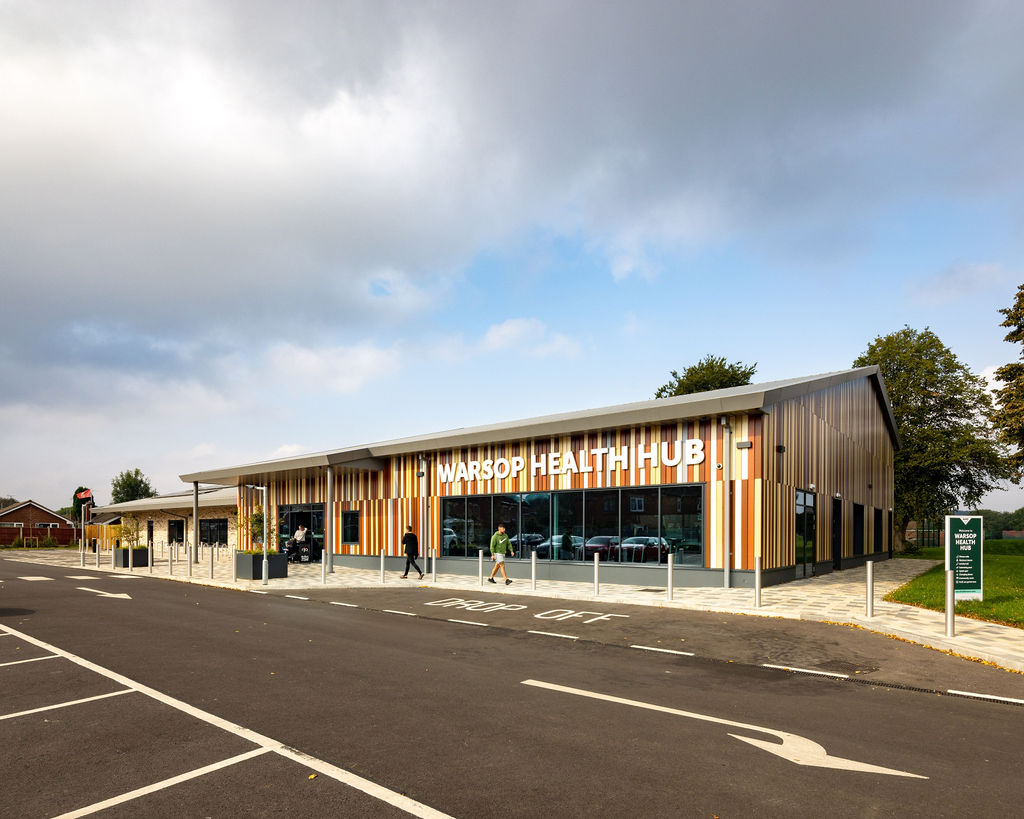
Case Study: Consultation-led Design at Warsop Health Hub
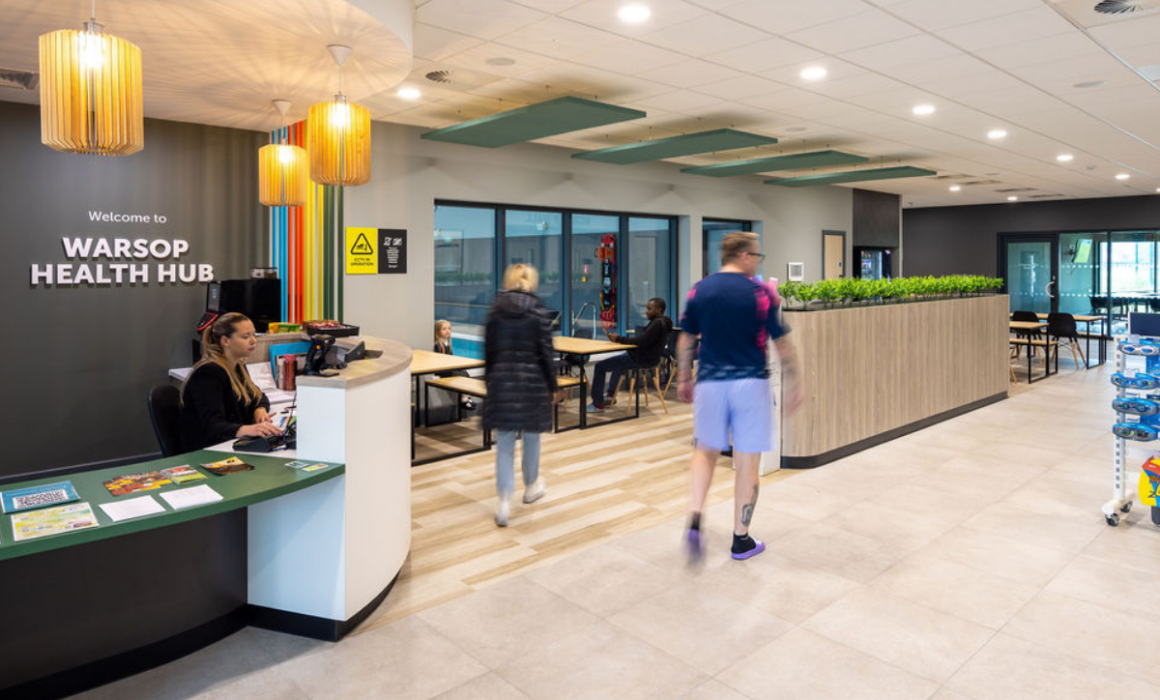
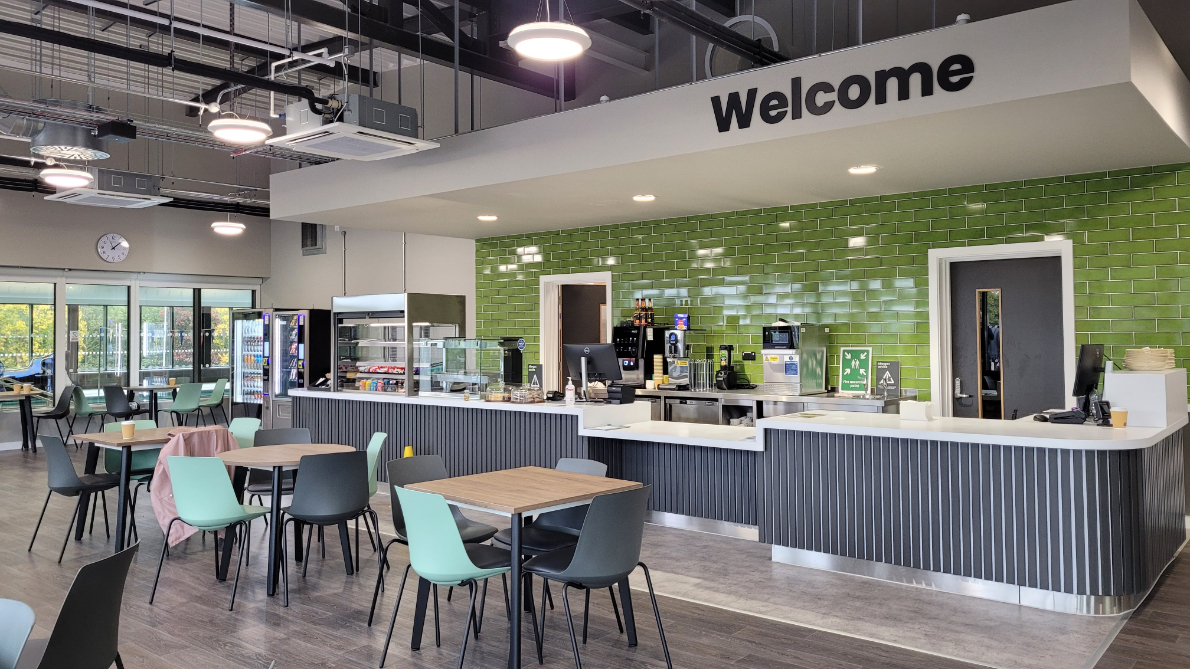
The Warsop Health Hub demonstrates how affordability and community impact can go hand in hand when projects are designed with the people they serve, not just for them. Extensive consultation with local residents informed the facility mix and ensured the hub meets the real needs of the community.
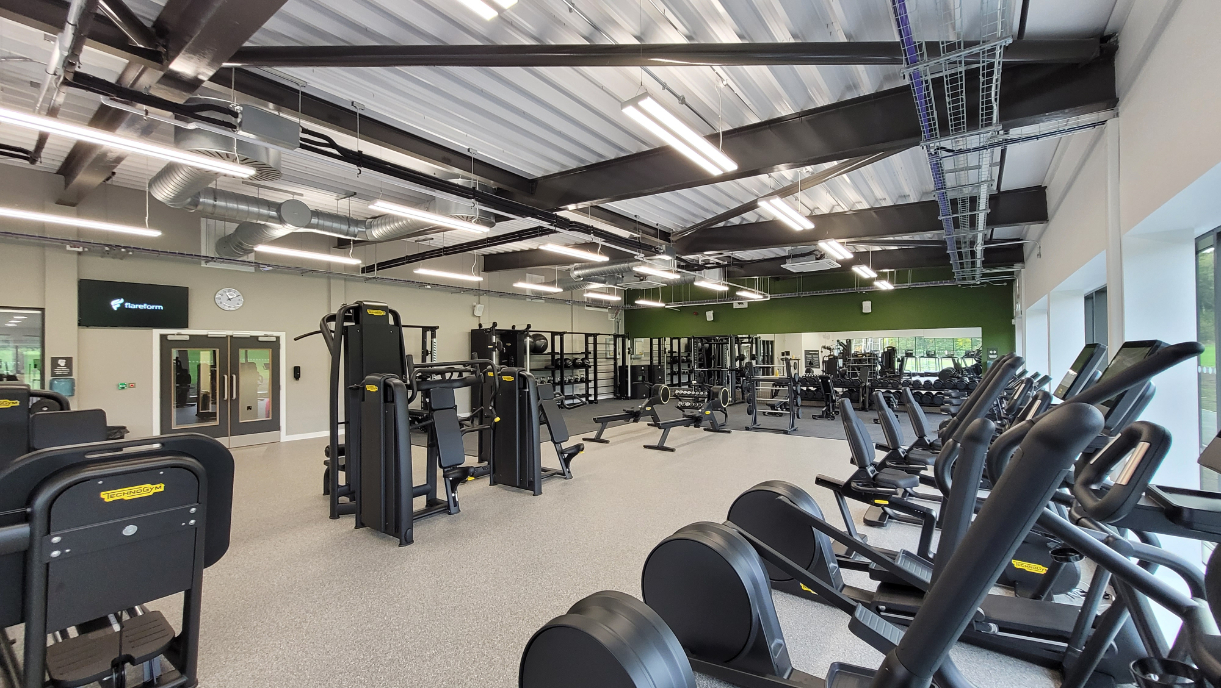
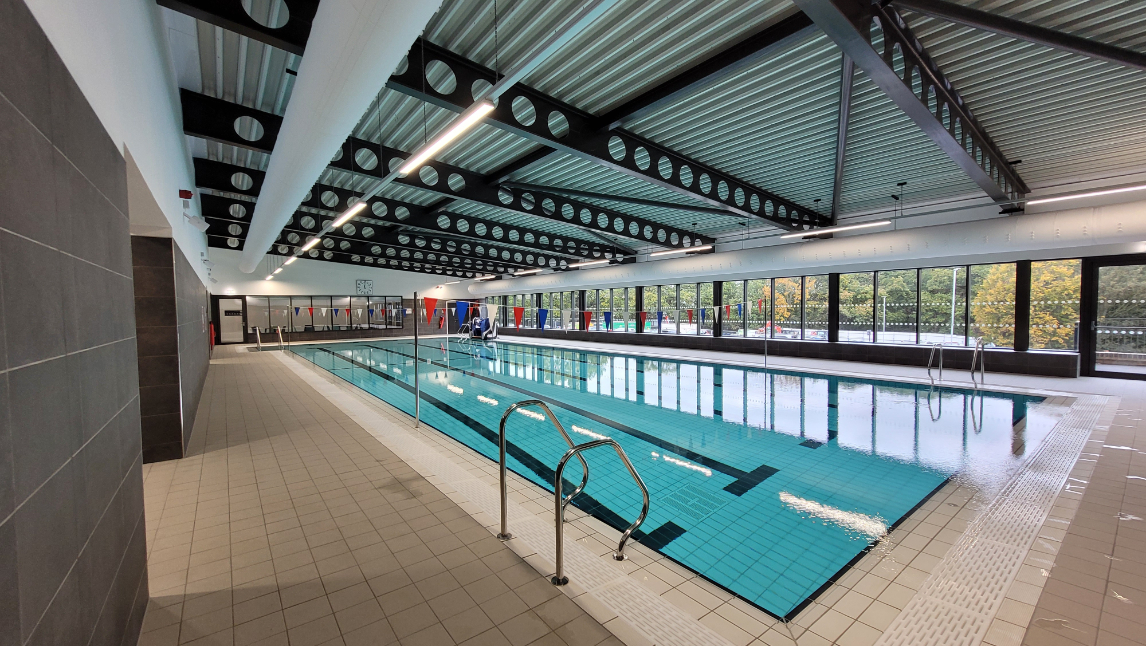
Costing £9.1 million, the hub brings together multiple services under one roof, maximising both value and accessibility. The facility includes:
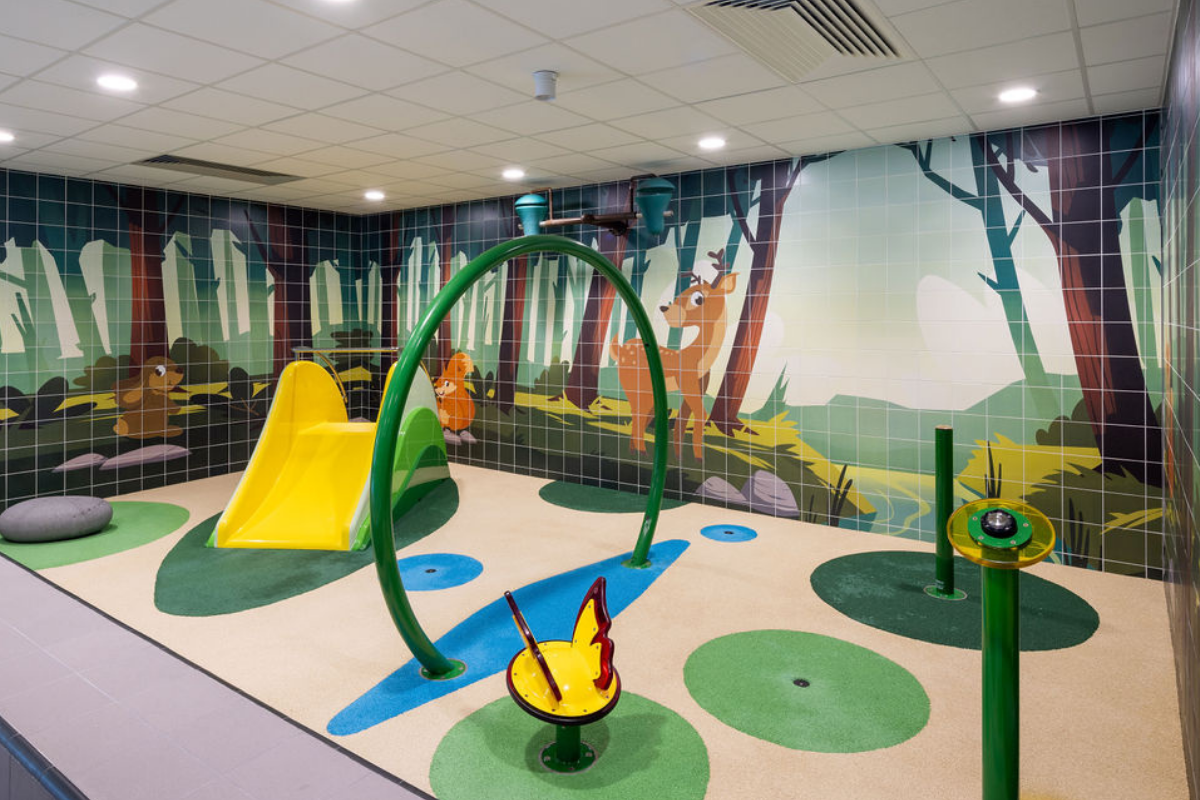
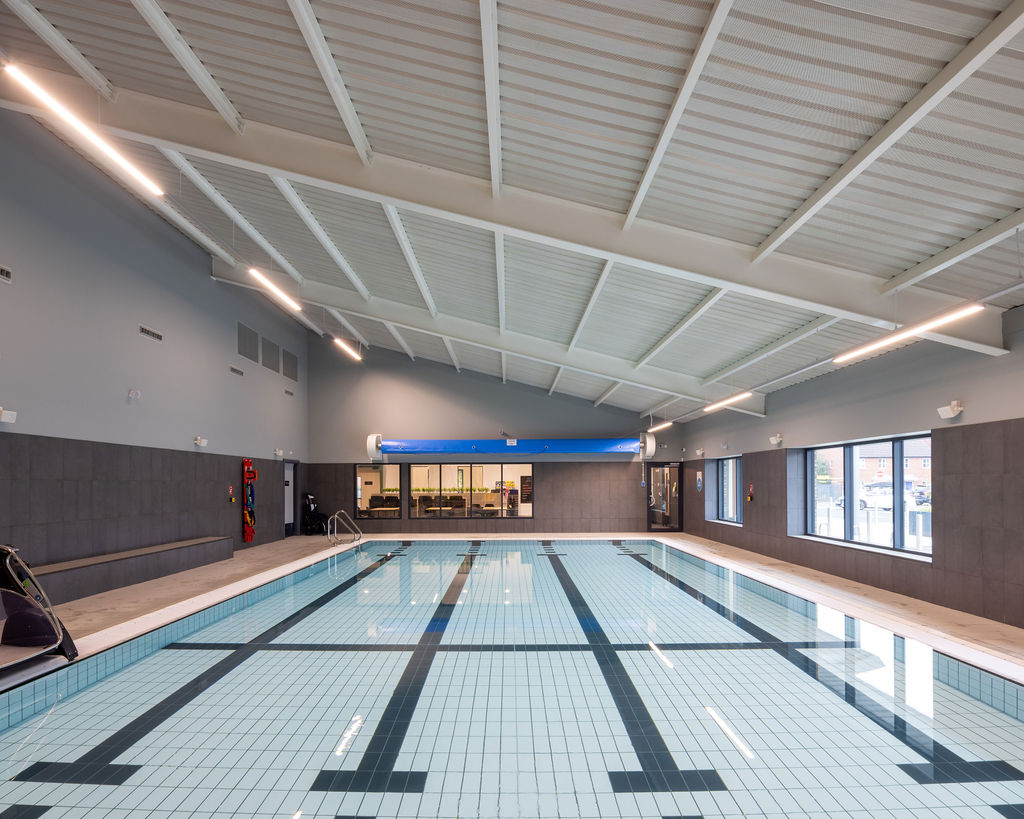
- A 15m x 8m swimming pool with hoist and Changing Places facilities, plus a splash play area for younger children
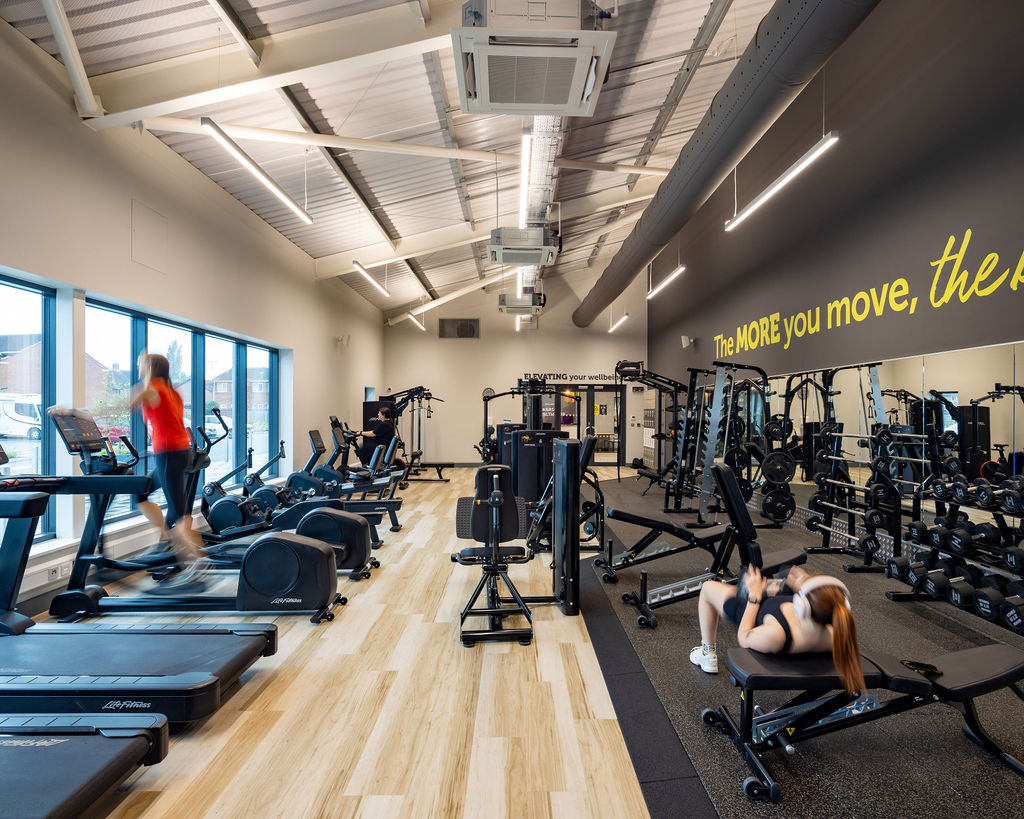
- A gym and a two-court sports hall with a multi-use games area
- Flexible community spaces, including an IT suite and reception area
The hub has become a vital asset for Warsop, generating £487,950 in social value in 2025 – equating to £260 per person, above the national average of £230. In its first 12 months, the hub recorded:
- More than 13,000 visits per month
- 2,200 members
- Over 30,000 swims
- 300 children learning to swim
These figures illustrate that consultation-led, outcome-focused design can create a facility that is affordable without compromise, maximising long-term community benefit while remaining operationally efficient.
Continue the Conversation at UKREiiF
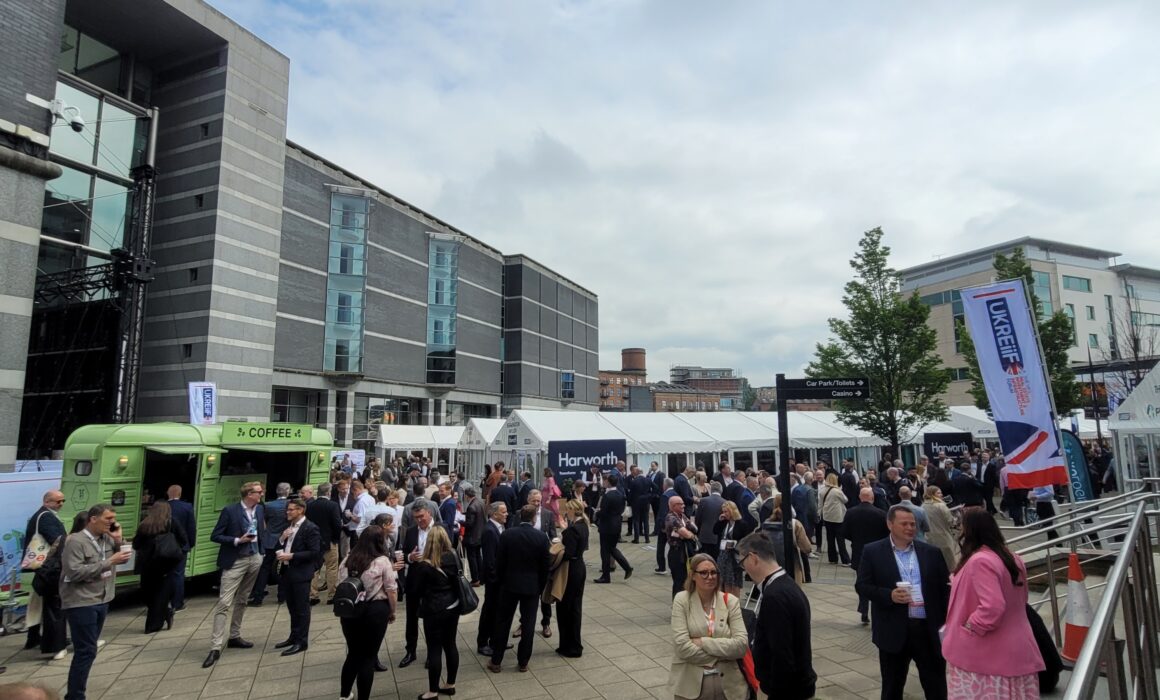
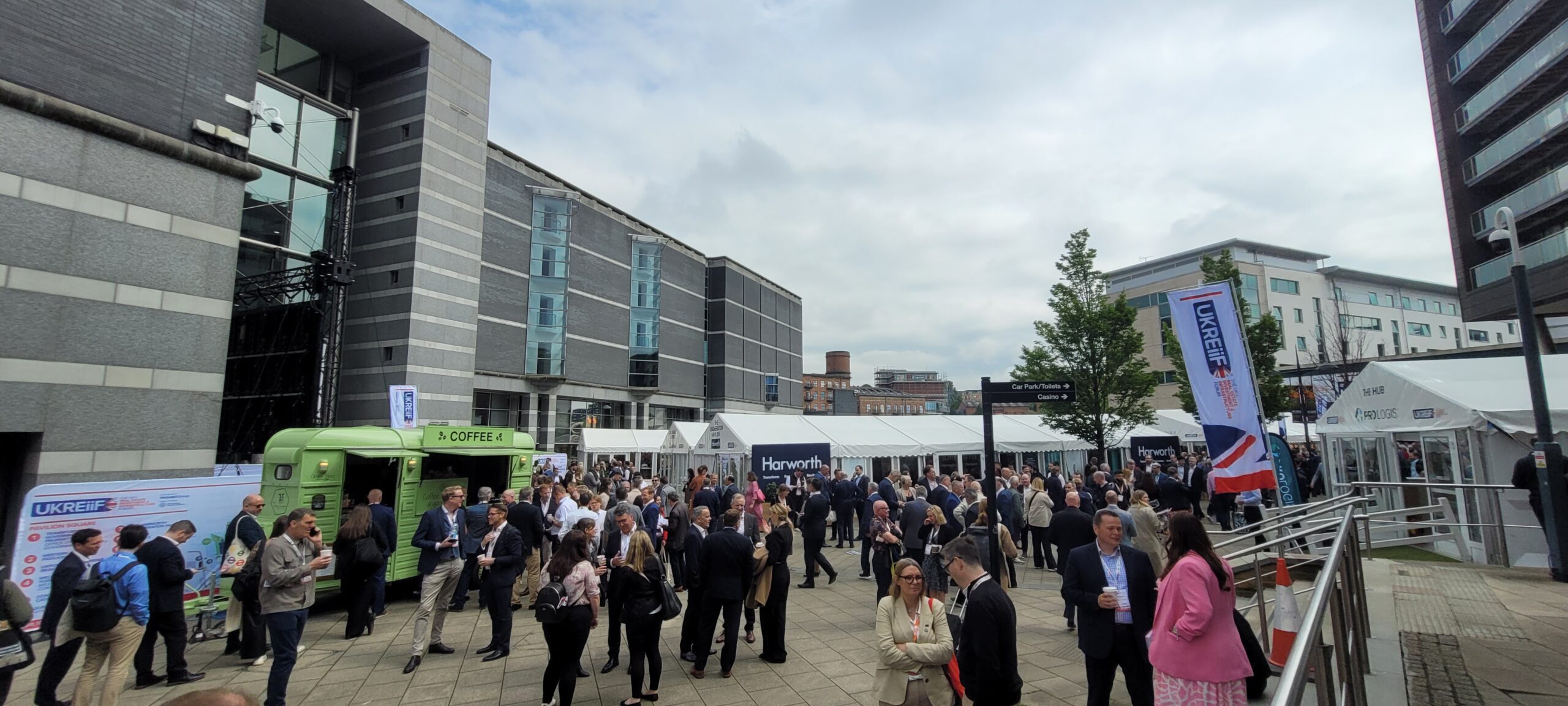
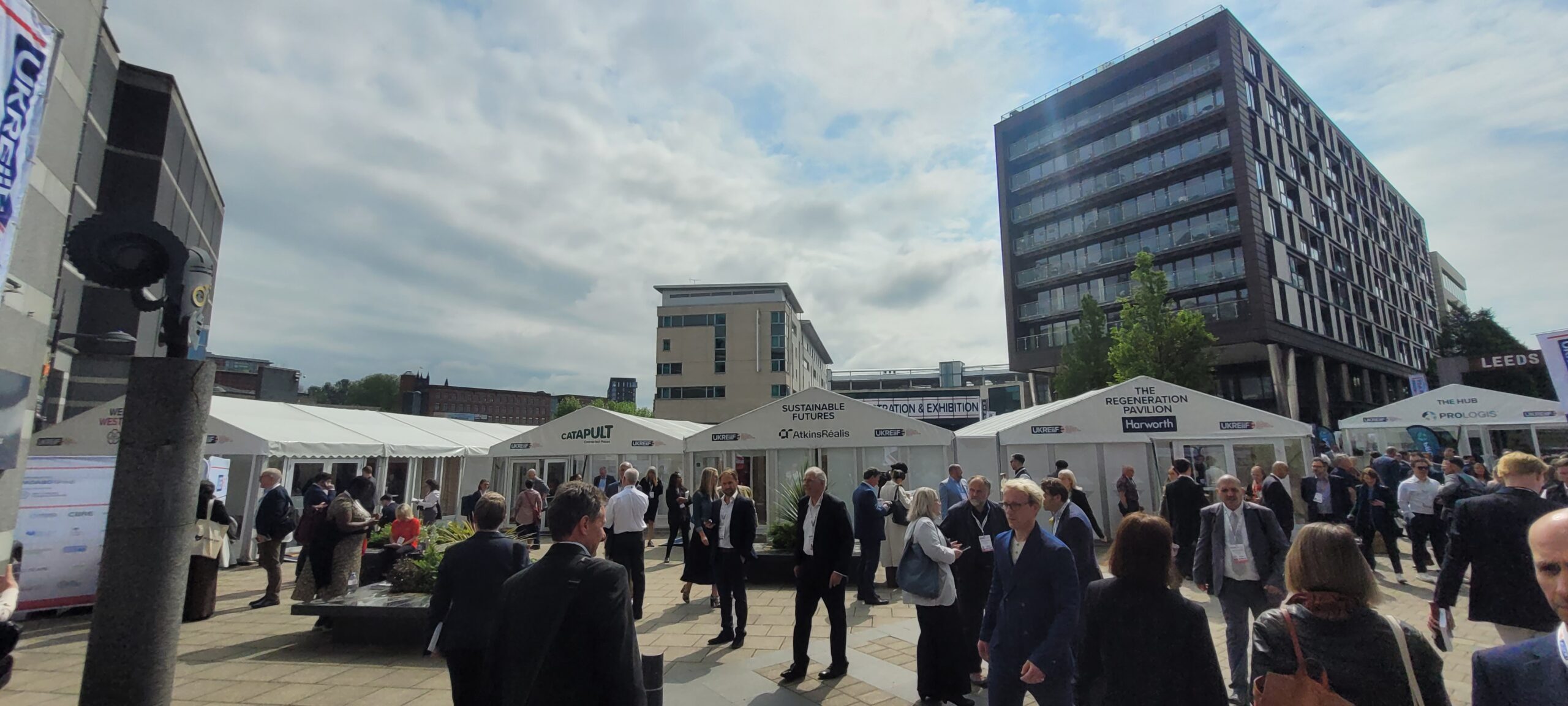
These themes will be explored further in our session on Wednesday 20th May at 12:15pm in the Cratus Group Pavilion – Why Leisure Matters: The Impact of Community Wellbeing.
We’ll be bringing together leaders from across local government, health, design and delivery to explore how leisure can:
- Deliver measurable community outcomes
- Align with public health priorities
- Unlock sustainable funding and investment models
Because the future of leisure isn’t just about facilities, it’s about impact that lasts.