Local authorities are facing increasing pressure to tackle widening health inequalities, ageing leisure facilities, tightening budgets and ambitious net zero targets. Against this backdrop, simply refurbishing an existing leisure centre is no longer enough. Today’s leisure development projects need to deliver far more than upgraded buildings—they must create healthier communities, improve wellbeing and provide lasting social value.
Across the UK, councils are embracing a more holistic Active Wellbeing approach to leisure centre development. Rather than measuring success solely through participation figures, local authorities are placing greater emphasis on the wider outcomes that modern leisure facilities can generate. Alongside increasing physical activity, there is a growing focus on supporting mental health, reducing social isolation, encouraging healthier lifestyles and creating inclusive spaces where communities can connect.
Leisure centres are uniquely positioned to help local authorities achieve multiple strategic objectives from a single investment. Well-designed leisure and wellbeing hubs can improve public health, provide opportunities for children and young people to be active, support healthy ageing, encourage community engagement and contribute to wider regeneration ambitions.
The key is ensuring facilities continue to evolve with the needs of the communities they serve. Ageing leisure centres that no longer meet expectations can become increasingly expensive to maintain while delivering diminishing value. In contrast, thoughtfully designed leisure centre refurbishments and new-build wellbeing hubs can create long-term health, economic and environmental benefits that extend well beyond the building itself.
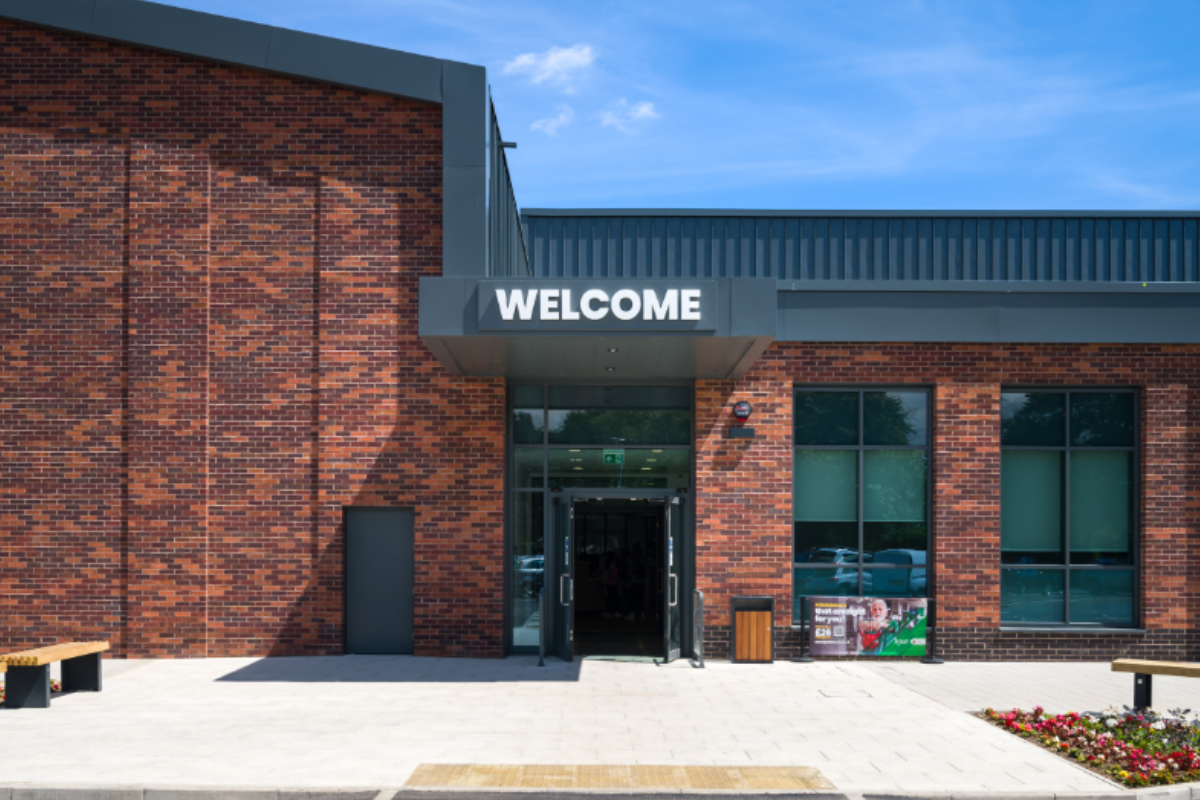
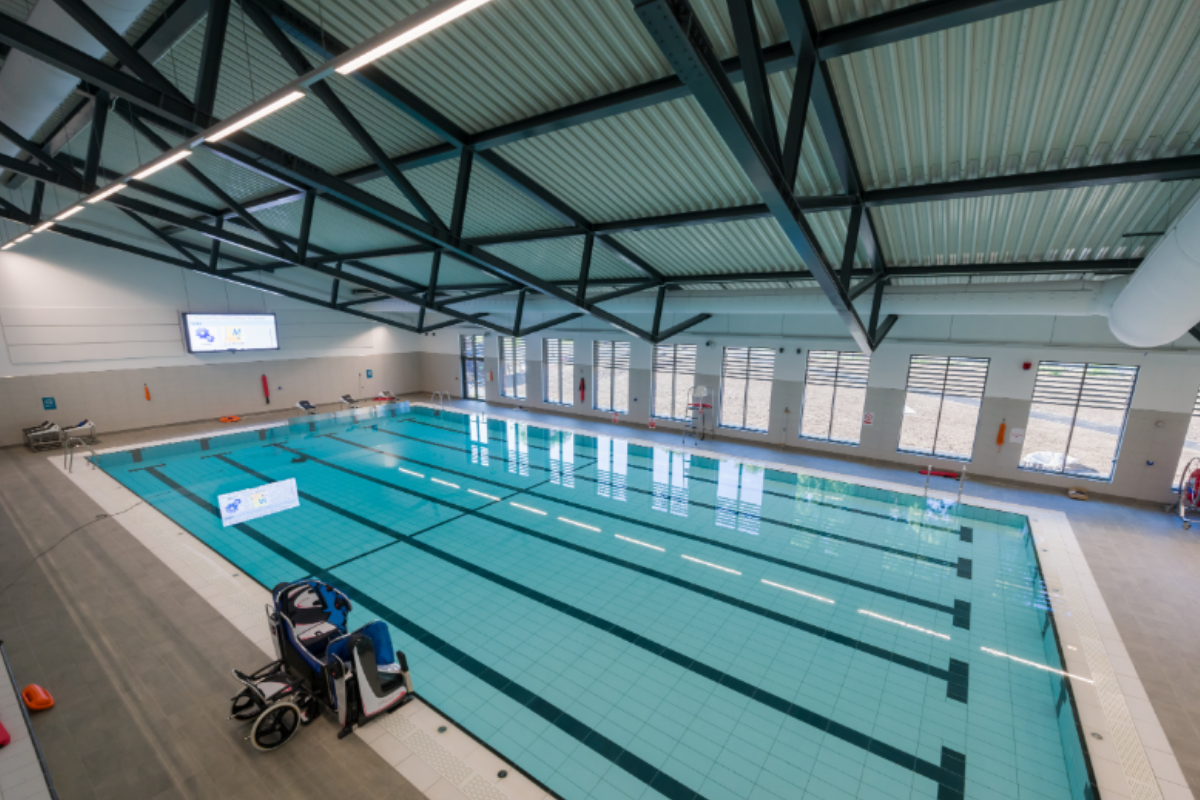
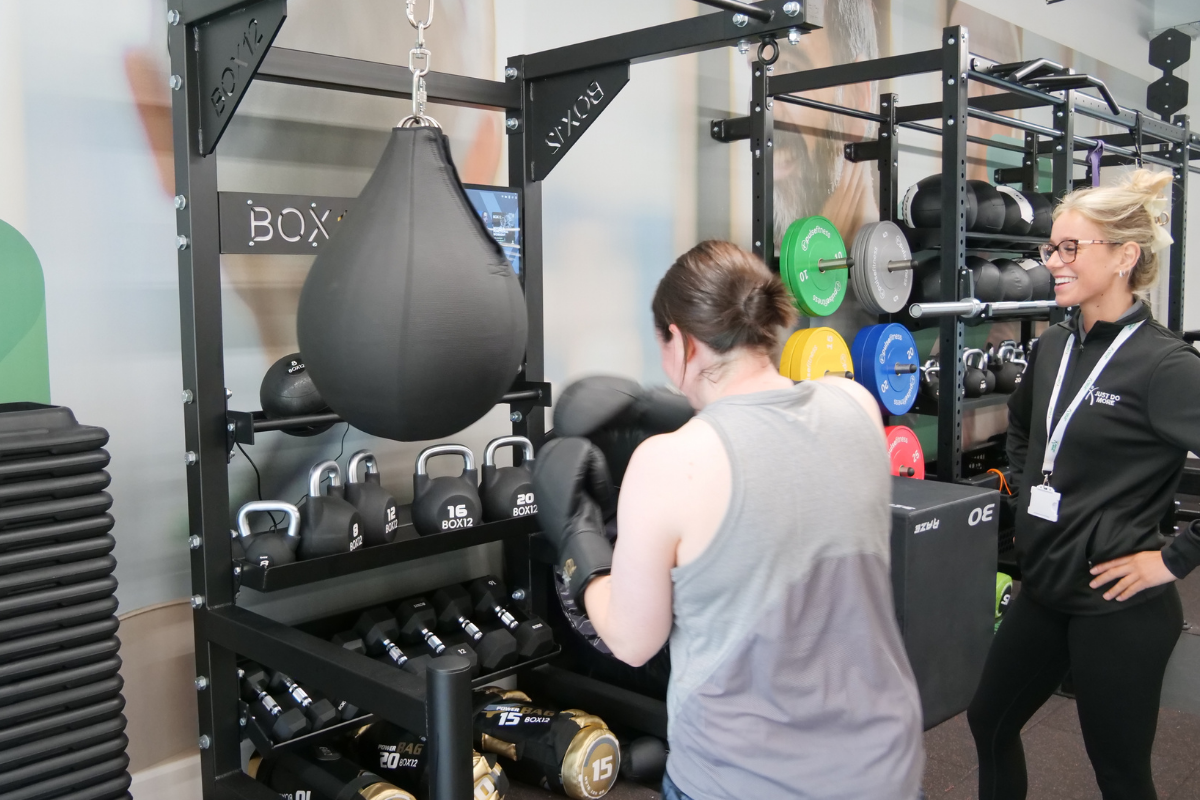
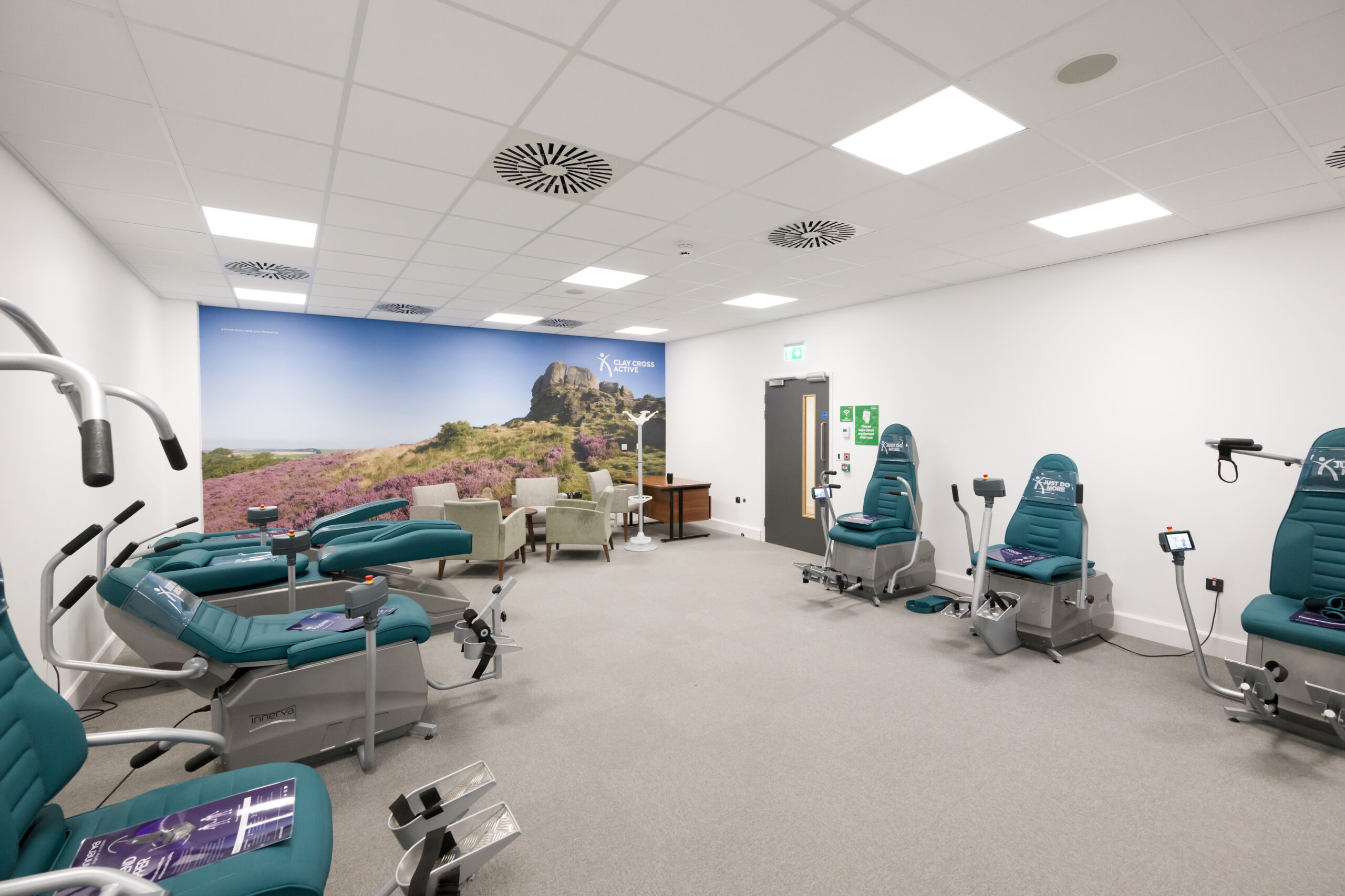
Alliance Leisure has seen this transformation first-hand through projects delivered across the UK. At Clay Cross Active in North East Derbyshire, a modern health and wellbeing hub has broadened participation, attracted new users and become an important part of the area’s wider regeneration programme. Similarly, Brandon Leisure and Health Hub in West Suffolk demonstrates how integrating leisure facilities with NHS services and community wellbeing support can make preventative healthcare more accessible for local residents.
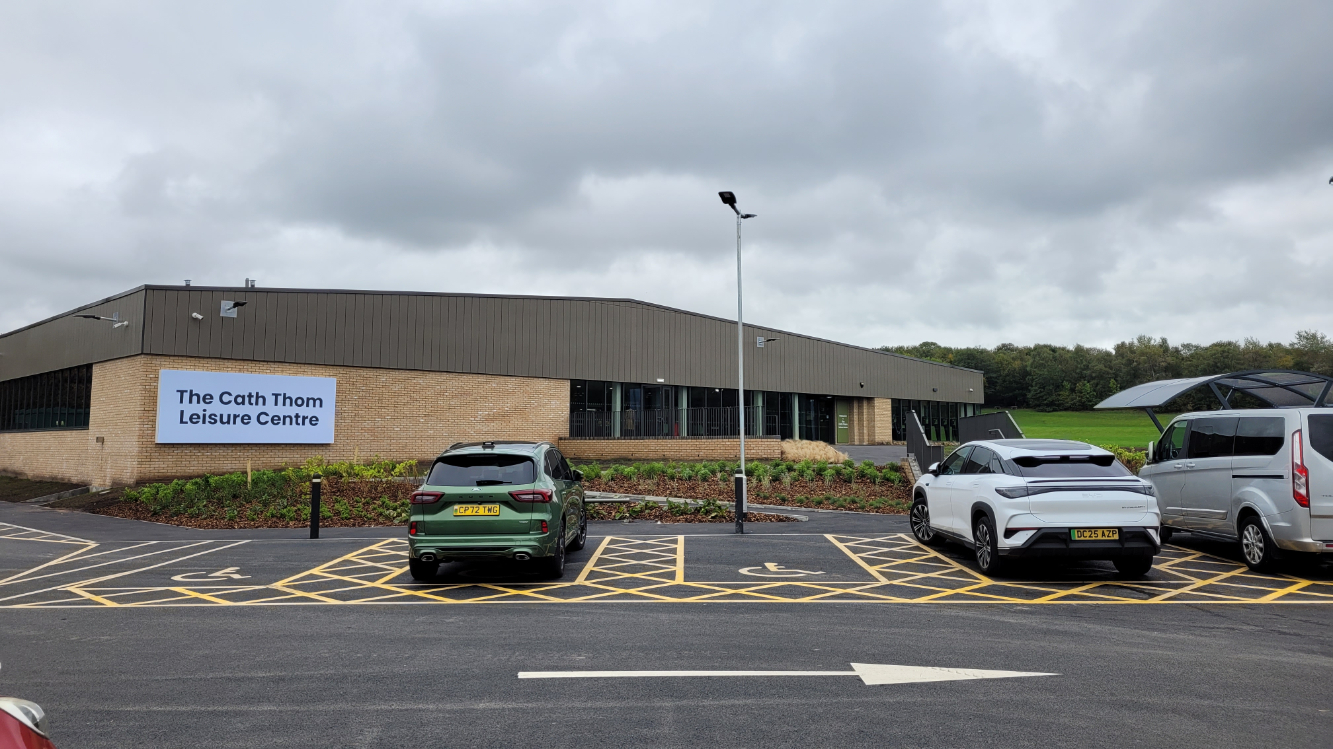
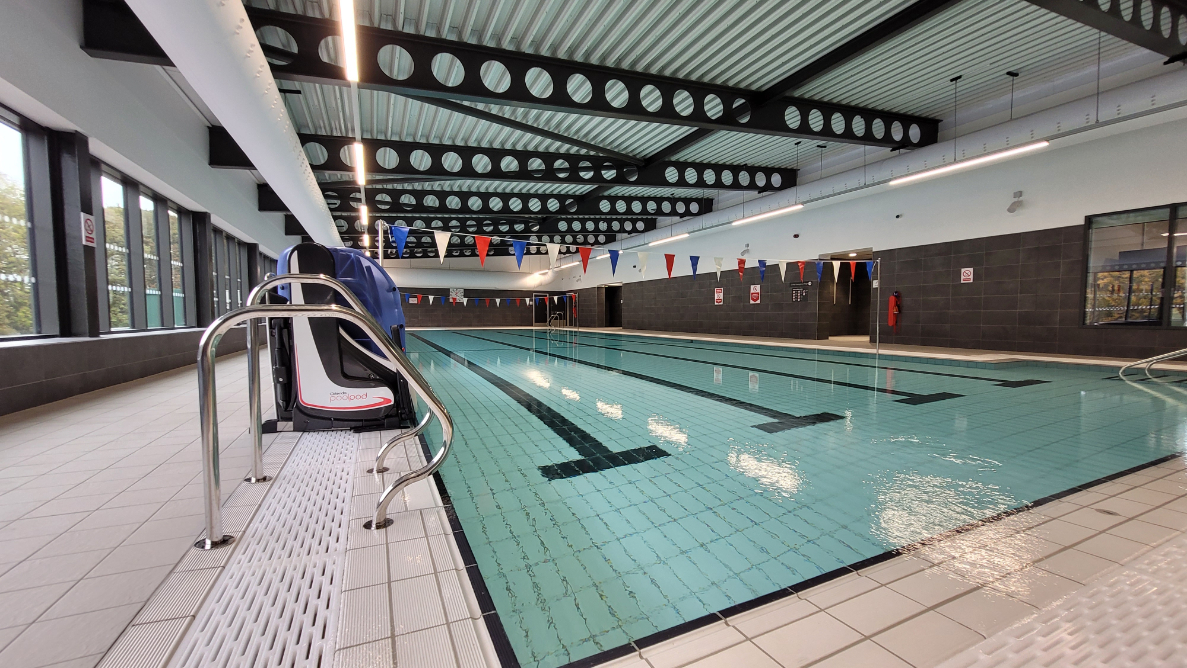
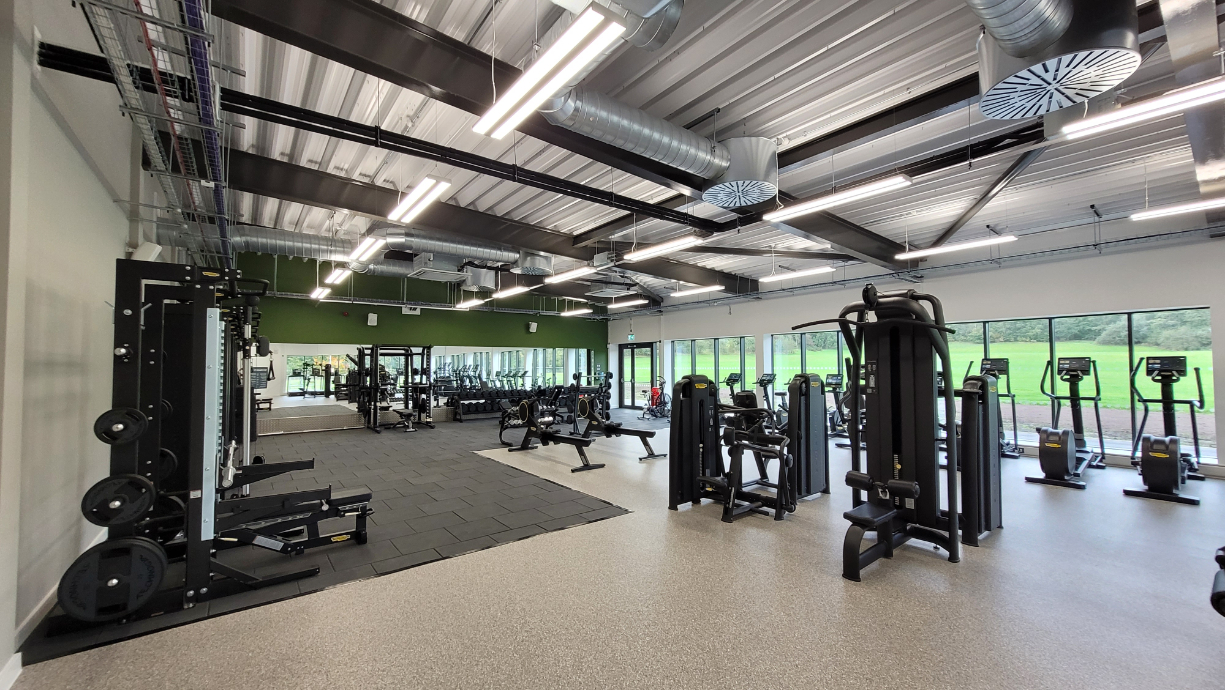
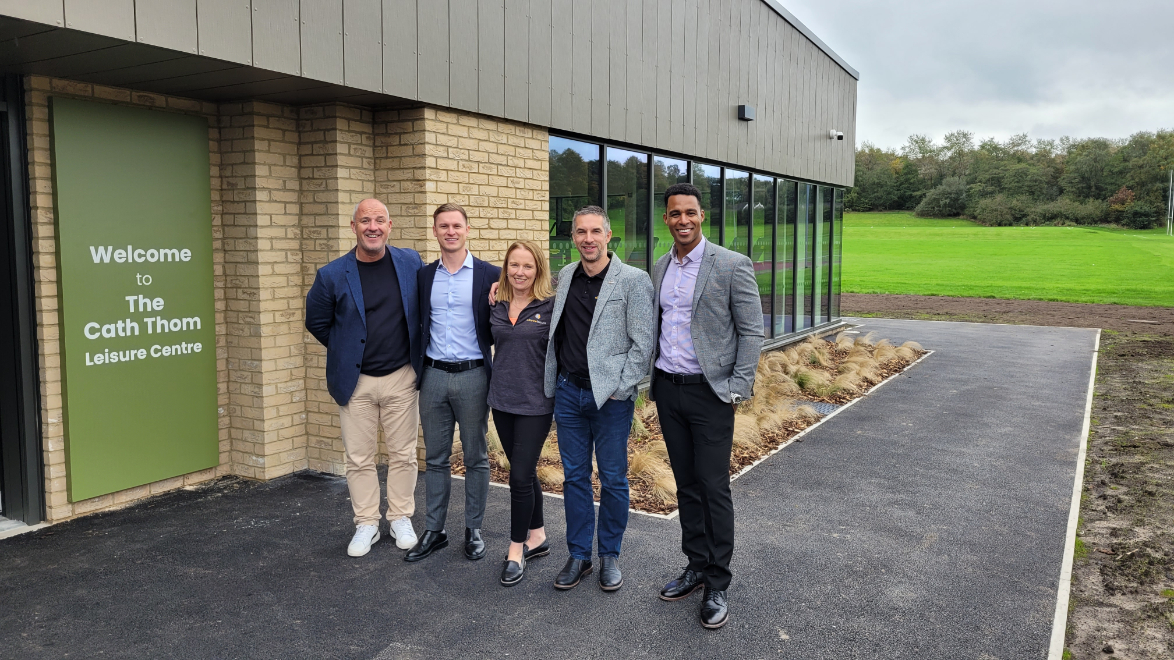
Sustainability is now another defining factor in successful leisure development. Rising operational costs and ambitious carbon reduction commitments mean councils must consider whole-life value rather than upfront capital costs alone. Facilities such as the all-electric Cath Thom Leisure Centre in Hyndburn illustrate how sustainable leisure centre design can reduce energy consumption, lower operating costs and support local authorities on their journey towards net zero.
As expectations of public services continue to evolve, leisure has the opportunity to become one of local government’s most valuable preventative assets. Modern leisure centres are no longer simply places to exercise—they are community hubs that improve health outcomes, strengthen social connections and support economic resilience.
For local authorities planning the next generation of leisure investment, the opportunity is clear. By treating leisure development as a strategic investment in community health and wellbeing, councils can create facilities that deliver measurable benefits for residents today while remaining resilient for decades to come.