
Beyond the Leisure Centre
New Special Report in Partnership with LocalGov
Read the full report here
read hereThe relationship between local government and leisure provision is changing.
A new special report produced in partnership with LocalGov, Beyond the Leisure Centre: How to make the case for active wellbeing investment, explores why leisure should now be viewed not as a discretionary service, but as essential prevention infrastructure.
Bringing together voices from across local government, public health and the leisure sector, the report examines how councils are using leisure investment to tackle health inequalities, support regeneration, strengthen community resilience and reduce long-term pressure on public services.
As Sarah Watts, our CEO, explains:
Leisure is one of the few universal assets local authorities have that can support multiple priorities at once, from prevention and public health to tackling inequalities, supporting children and young people, enabling active ageing and strengthening community cohesion.
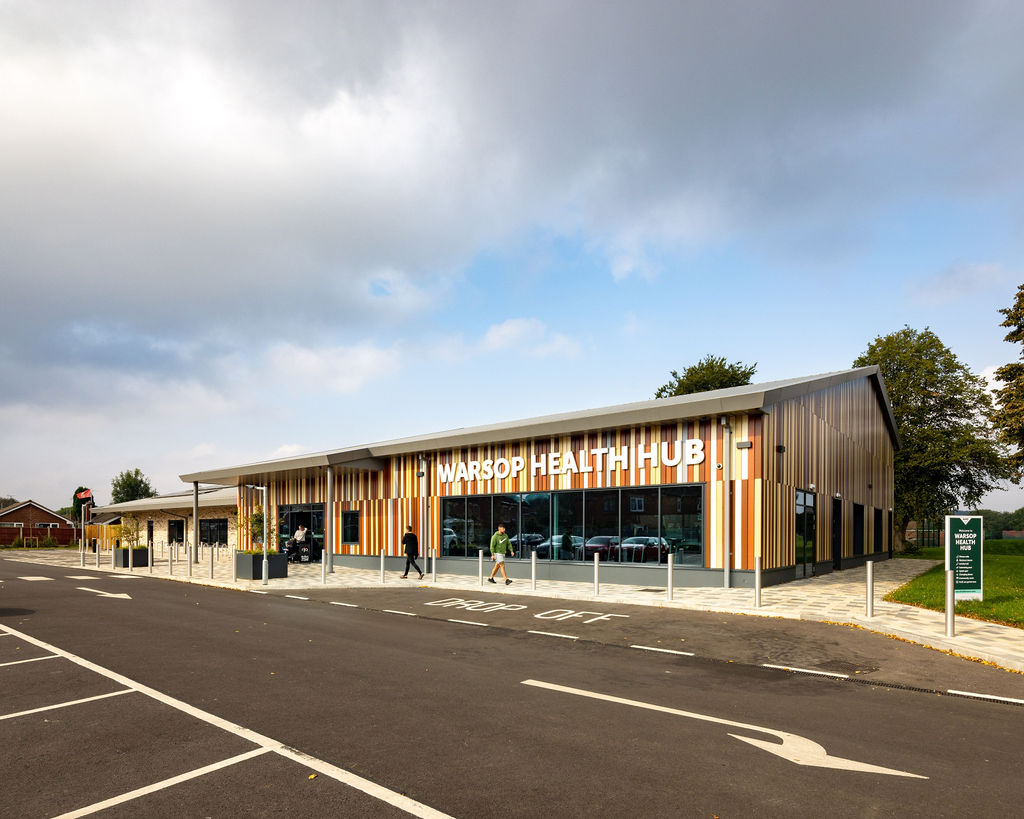
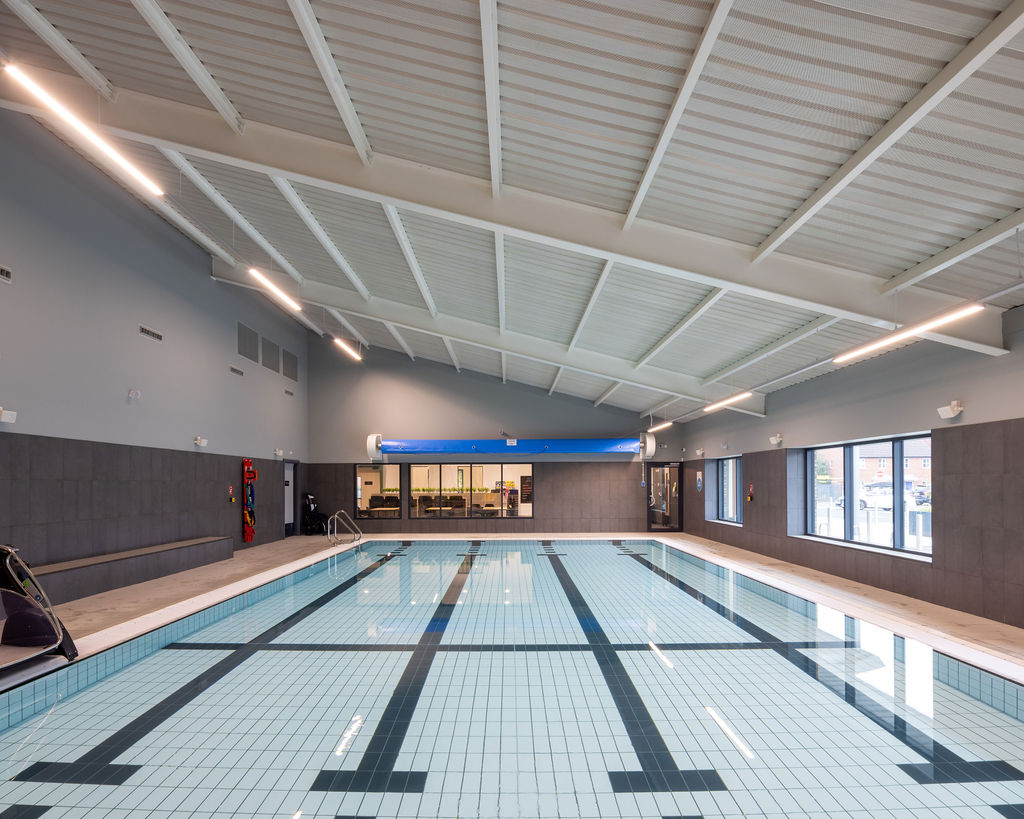
The report highlights how modern leisure environments are increasingly being designed as integrated wellbeing hubs — places where physical activity, health services, social connection and community support come together within trusted and accessible civic spaces.
Examples featured throughout the report, such as Warsop Health Hub, demonstrate how this approach is already delivering measurable impact across the UK.
The report also explores how Denbighshire Leisure Ltd (DLL) is using the UK Leisure Framework to support long-term reinvestment and regeneration across North Wales communities.
Owned and managed by DLL and delivered in partnership with Alliance Leisure, the framework provides local authorities with a specialist route for leisure development while generating surplus that is reinvested directly back into community facilities and services.
As Jamie Groves, Managing Director of Denbighshire Leisure Ltd, explains in the report:
What the UK Leisure Framework has demonstrated is that all sorts of leisure operating models can be both financially resilient and socially impactful.


Alongside practical case studies, the report also explores the broader policy and funding landscape shaping the future of leisure investment.
Julie Russell, Convenor of the Active Wellbeing Leadership Network, argues that modern leisure facilities should be understood as ‘essential prevention infrastructure’.
Her contribution outlines how Active Wellbeing Hubs can help tackle inactivity, reduce inequalities and support healthier lives while also creating social and economic value within communities.
Meanwhile, our Commercial Director James Foley examines how councils can build stronger business cases for investment by focusing on prevention outcomes and long-term system value rather than short-term affordability alone.
As the report explains, the question councils are increasingly asking is no longer simply “Can we afford to invest in leisure?” but instead “What could this investment prevent?”
Ultimately, Beyond the Leisure Centre makes the case that leisure facilities are no longer just places people visit to exercise. Increasingly, they are becoming community anchors that support wellbeing, belonging, prevention and resilience.