
The recent publication of The Deep End, the All Party Parliamentary Group for Swimming’s report supported by Swim England, has helped bring national attention to pressures that many in the sector have been grappling with for years. For those of us working closely with local authorities, the report reflects challenges that are familiar, persistent and increasingly urgent.
As part of my recent insight work at Alliance Leisure, I have been looking at the age and condition of swimming pools across the UK. What becomes clear very quickly is how much of today’s provision is rooted in decisions made several decades ago. Many pools were built to meet the needs, expectations and operating environments of a different time, and they are now being asked to deliver far more than they were ever designed for.
Swimming remains one of the most inclusive forms of physical activity available. It supports people across ages, abilities and life stages, and plays a vital role in health, wellbeing and water safety. And yet we know that the number of regular swimmers has declined over the last 10 years. According to Sport England’s Active Lives survey, there were 4.9m swimmers in 2015/16. In the 2023/24 survey, the figure was 4.2m. In addition to this, the percentage of children who can swim 25m by the time they leave primary school is still lower than it was pre-pandemic.
This decline is perhaps not surprising when you consider that the buildings which enable swimming are often under increasing strain. Rising operating costs, ageing infrastructure and competing demands on public funding have made it harder for councils to take a long-term view, reinforcing a cycle of short-term decision making that The Deep End rightly calls out.
From an insight perspective, the challenge is rarely about demand. Participation, need and social value are consistently present. Instead, the issue lies in a growing disconnect between the role swimming pools are expected to play and the physical condition of the facilities themselves. Older buildings tend to be less energy efficient, harder to adapt and more expensive to maintain. Over time, this erodes confidence, flexibility and resilience.
What we consistently observe through our work is that when facilities are modern, well designed and aligned to local need, the conversation changes. New or redeveloped leisure centres support a broader range of activity, attract more consistent use and operate with greater stability. This is not simply a question of age, but of design choices that recognise swimming as part of a wider system of health, wellbeing and community infrastructure.
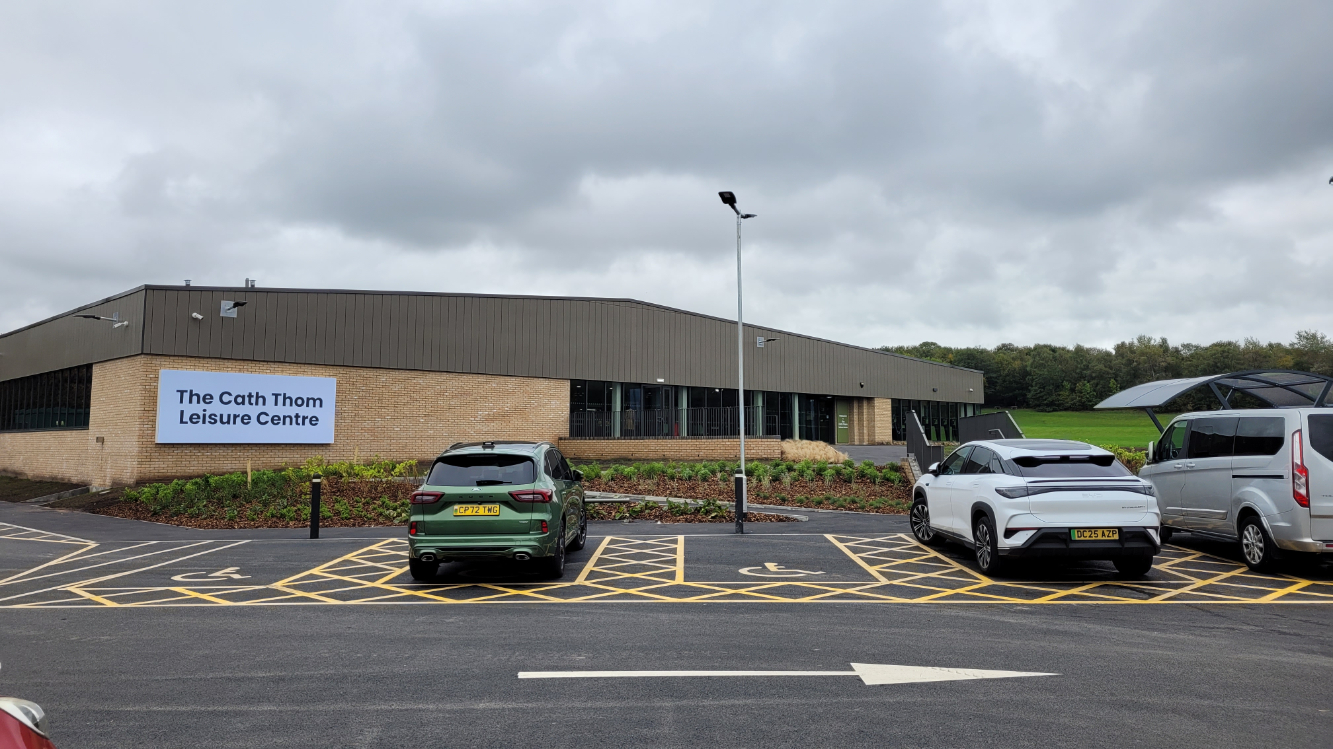
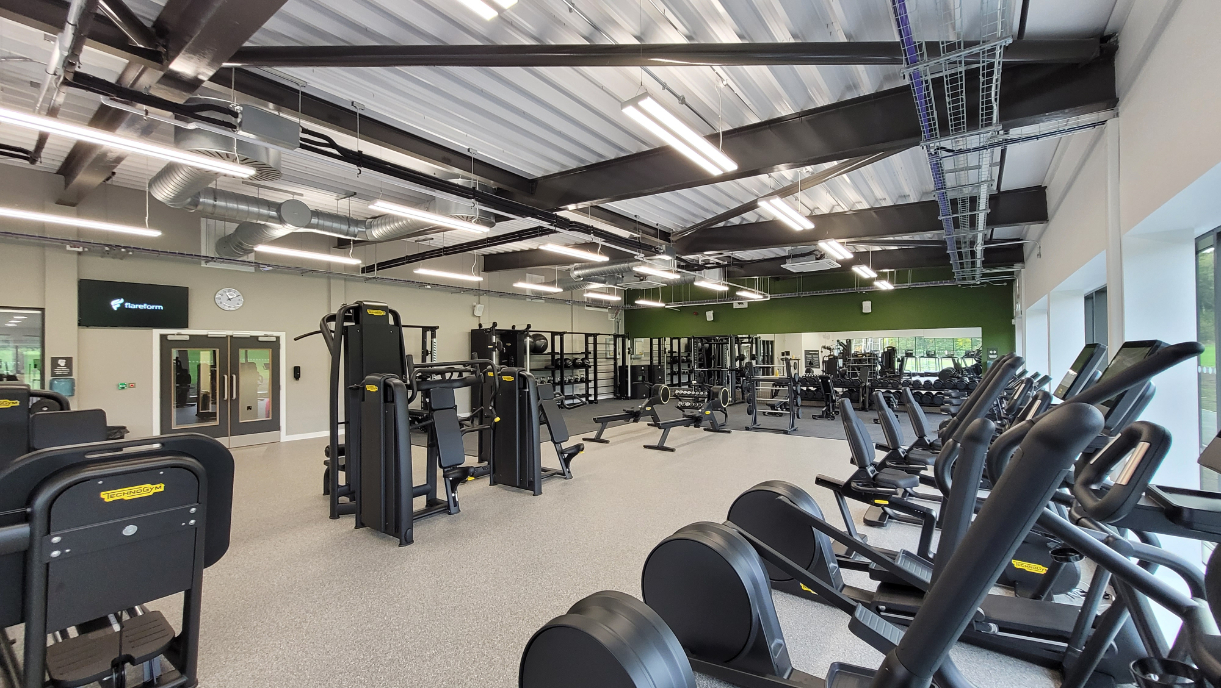
The Cath Thom Leisure Centre illustrates this well. Swimming has been brought together with complementary fitness and wellbeing provision in a contemporary environment that supports flexibility and efficient operation. This has enabled the centre to respond to changing patterns of use, rather than being constrained by a fixed and ageing layout, reducing pressure on the building while increasing its relevance to the community.

Affordability is another recurring theme in both our insight work and in The Deep End. Many councils are seeking solutions that maintain access to swimming without committing to models that are difficult to sustain.
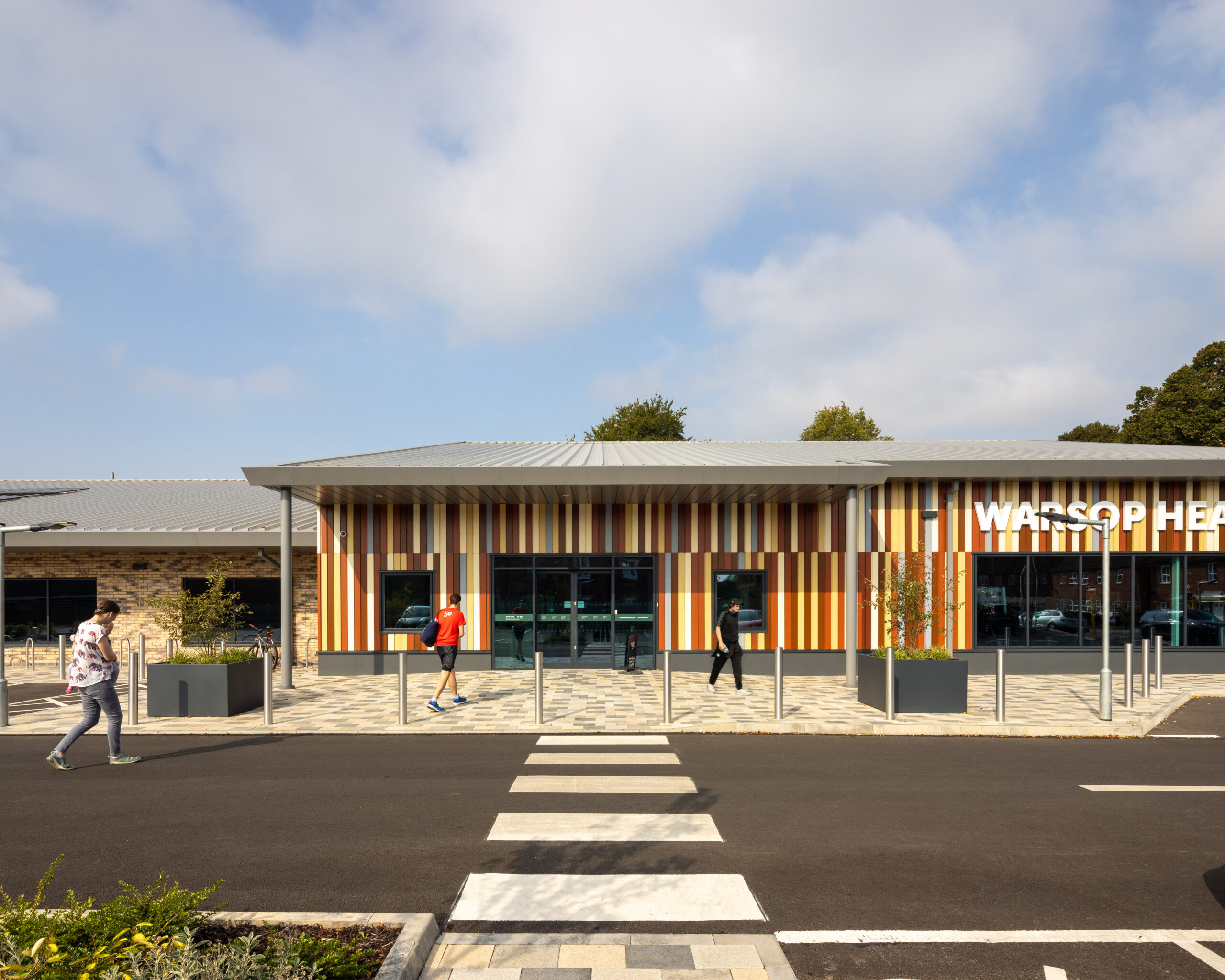
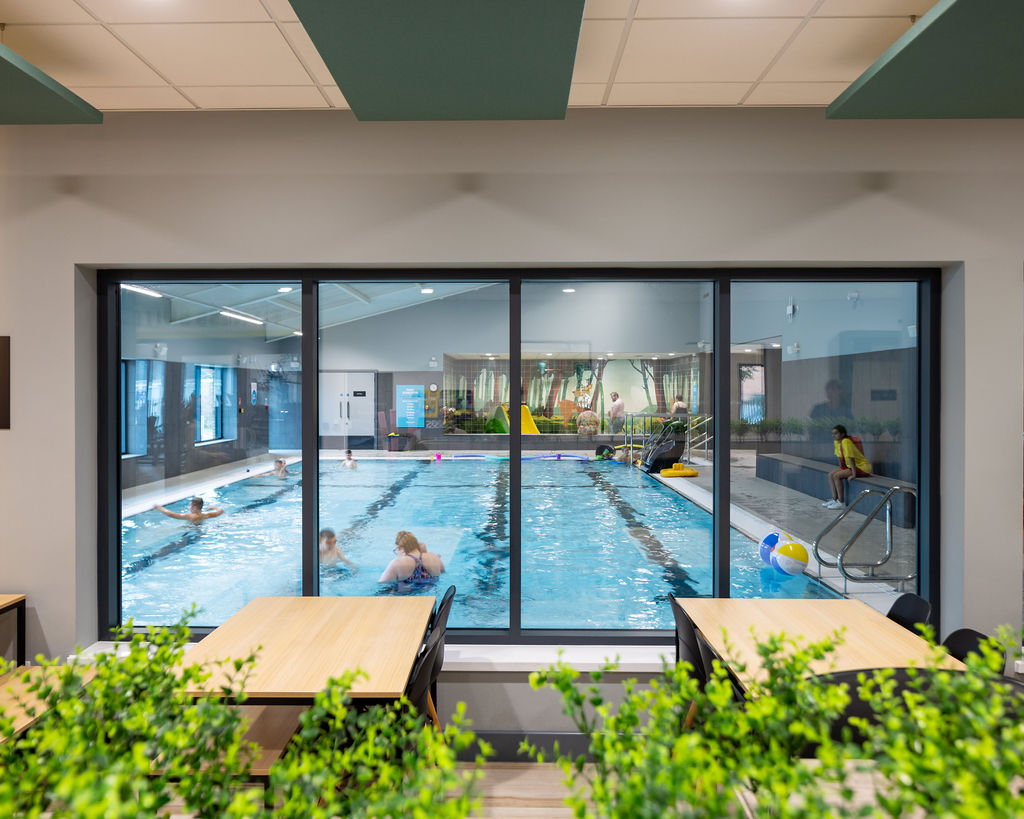
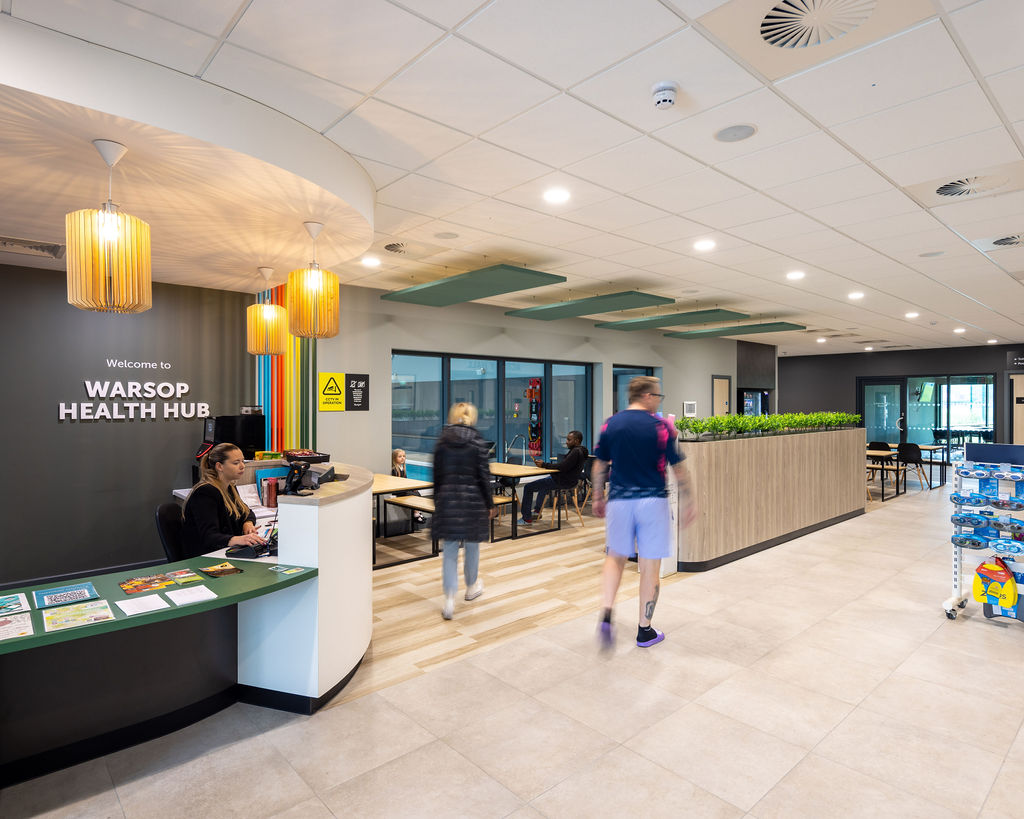
At Warsop Health Hub, swimming provision forms part of a more compact, integrated approach that brings leisure together with health and wellbeing services. This kind of model demonstrates how careful design and co-location can support long term viability without relying on scale alone.
Environmental performance also features strongly in conversations about the future of swimming. Pools will always be energy intensive, but they do not have to be inefficient. Across our projects, early investment in building fabric, modern plant and smarter technologies has proved critical in reducing long term risk.
These decisions support both carbon reduction and financial resilience, particularly in an environment of volatile energy costs, aligning closely with the direction set out in The Deep End. In example, energy-saving measures installed at Biddulph Valley Leisure Centre are reducing carbon emissions by 132 tonnes per year and expected savings of £70k+.
There is also growing recognition of the role swimming facilities can play in supporting public health objectives. When pools are designed as part of a broader local ecosystem, alongside rehabilitation, preventative activity and community health services, they can help reduce barriers to participation and support healthier behaviours over time.
No single organisation holds all the answers. The future of swimming depends on collaboration between national bodies such as Swim England, local authorities, health partners and those responsible for delivering facilities on the ground. At Alliance Leisure, our role is to combine insight with delivery experience, supporting councils to move from aspiration to practical, sustainable solutions.
Swimming has served communities for generations. The Deep End reinforces that with informed investment, modern design and long-term thinking, it can continue to do so in ways that reflect the realities of today and the needs of tomorrow.