
ISG Update: One Year On
When ISG went into administration in September 2024, the shockwaves were felt across multiple leisure developments in the UK. As the lead contractor on several major projects, ISG’s sudden collapse threatened to stall or even cancel schemes worth hundreds of millions.
The question for many local authorities and their development partners was: how could already fragile timetables and budgets be rescued — and by whom?
One year on, the story has become one of resilience, swift action and partnership. Leading the rescue effort in the leisure sector has been Alliance Leisure. By deploying emergency responses, realigning contractor relationships and utilising the UK Leisure Framework, Alliance Leisure has managed not just to steady the ship, but to deliver some of the most significant projects affected by the ISG collapse.
The Fallout from ISG’s Collapse
ISG’s failure in September 2024 left no small number of projects in limbo. Alliance Leisure, which had been working with ISG as principal contractor, suddenly found itself having to manage risk, liaise with clients, secure sites, reassign contracts and reassure stakeholders.
Across nine projects affected, worth approximately £250 million in total, delays, cost risks and uncertainty loomed. Alliance Leisure’s leadership made stabilisation the first priority — securing sites and ensuring that people (contractors, sub-contractors, council clients, community groups) knew what was happening.
Through the UK Leisure Framework (managed by Denbighshire Leisure Ltd), Alliance was able to mobilise alternative contractors rapidly. The Framework’s flexibility was crucial in permitting speedier re-appointment and continuity of work.
Less than 100 days after ISG went under, all nine affected leisure developments were back on track. That itself is a marker of how seriously Alliance, its partner councils and the supply chain treated the crisis.
Clay Cross Active: Delivered Amid Challenge
Perhaps the clearest example of Alliance Leisure’s ability to pick up the pieces is Clay Cross Active, a major leisure and wellbeing hub in North East Derbyshire. Prior to ISG’s collapse, this project was already under construction, but when ISG entered administration, work was halted and the project was at risk.
Alliance Leisure, working with the council, moved quickly to appoint a replacement contractor (Universal Civils & Build) to pick up the work. Key steps included securing the site, protecting or reassigning sub-contractors, and managing the contractual, financial and technical risks associated with the handover.
Despite the disruption, Clay Cross Active has now been delivered (full portfolio HERE). The centre includes health, fitness and wellbeing facilities, together with essential community services — all designed to serve more than 20,000 local residents. It is a state-of-the-art hub that not only meets the original aspirations but does so in a way that reckons with the unexpected challenges.
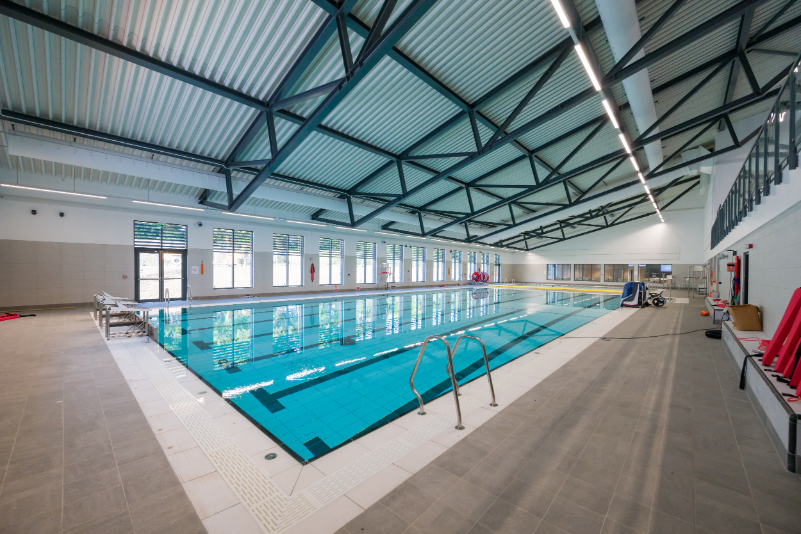

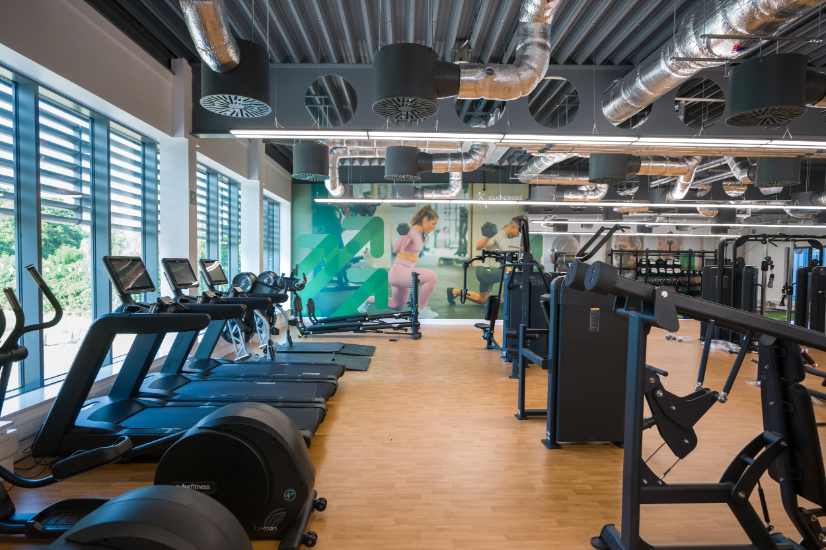
Delivering Clay Cross Active under these conditions is a significant success marker. It shows that with effective risk management, client-partnership and contractor re-mobilisation, projects can be delivered even after major disruption. For the community, Clay Cross Active will become a vital asset — health, social connection, mental wellbeing, fitness — all these depend on quality leisure infrastructure.
Wilson Sports Village: Nearing Completion
A second project that tells a similar success story is the Wilson Sports Village, which is being delivered on behalf of Hyndburn Borough Council. This project was also hit by ISG’s collapse; the lead contractor was lost, construction came to a halt and timelines were thrown into uncertainty.
Here, again, Alliance Leisure has played a central role as development partner. Using the UK Leisure Framework, Alliance Leisure rapidly appointed a replacement: Universal Civils & Build was brought in to complete the project.
The scale of Wilson Sports Village is considerable. It’s a £12 million facility financed in part by Sport England (about £2.4 million of the funding). The planned amenities included a 25-metre, four-lane swimming pool; a fitness suite; group exercise studio; café; large changing village; and changing facilities for teams using the outdoor sports facilities already present on the site.
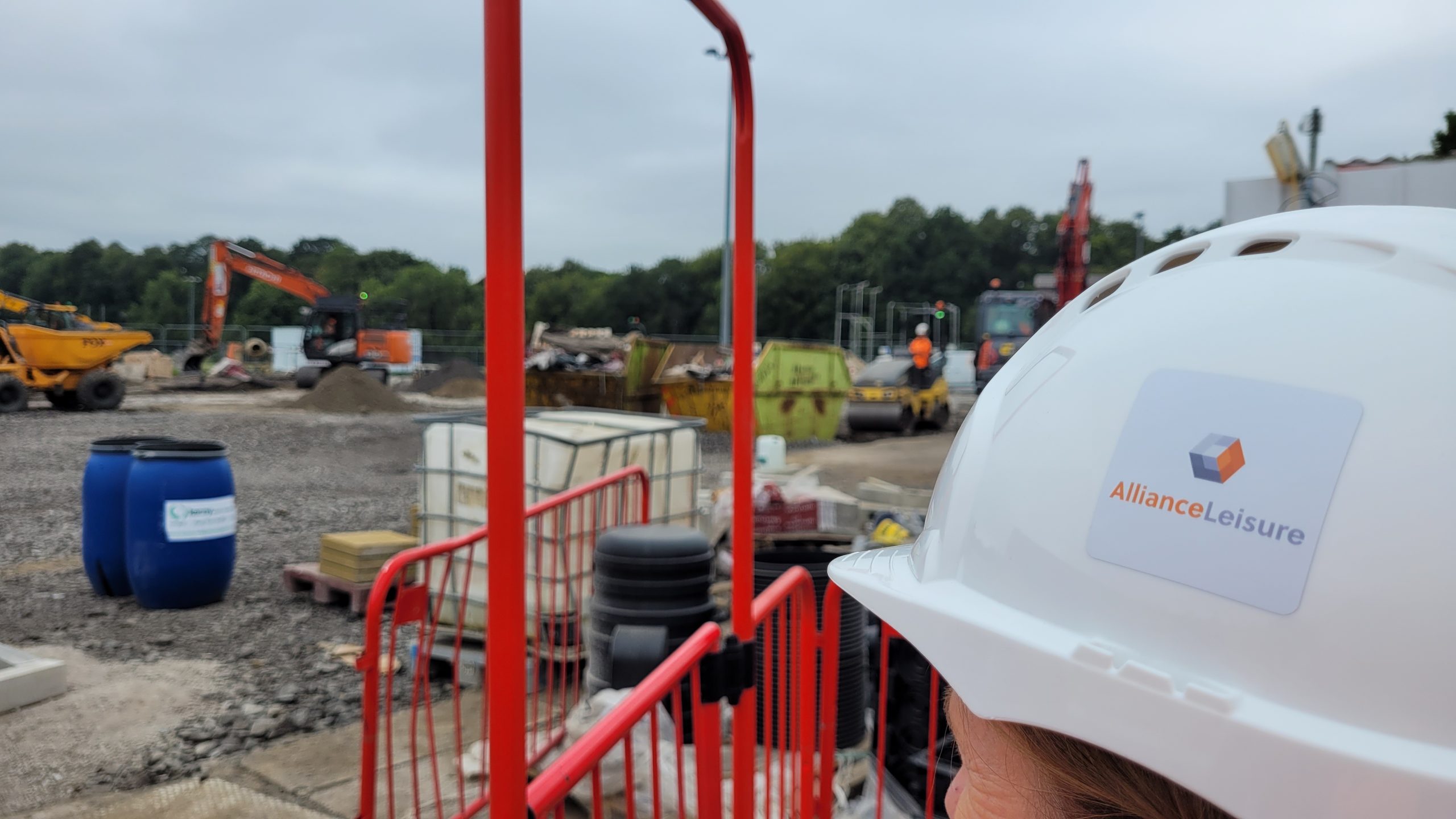
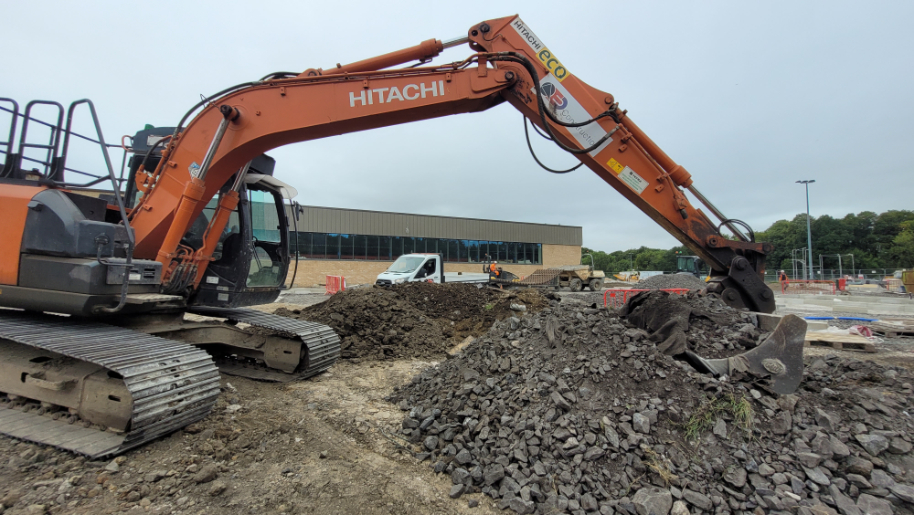
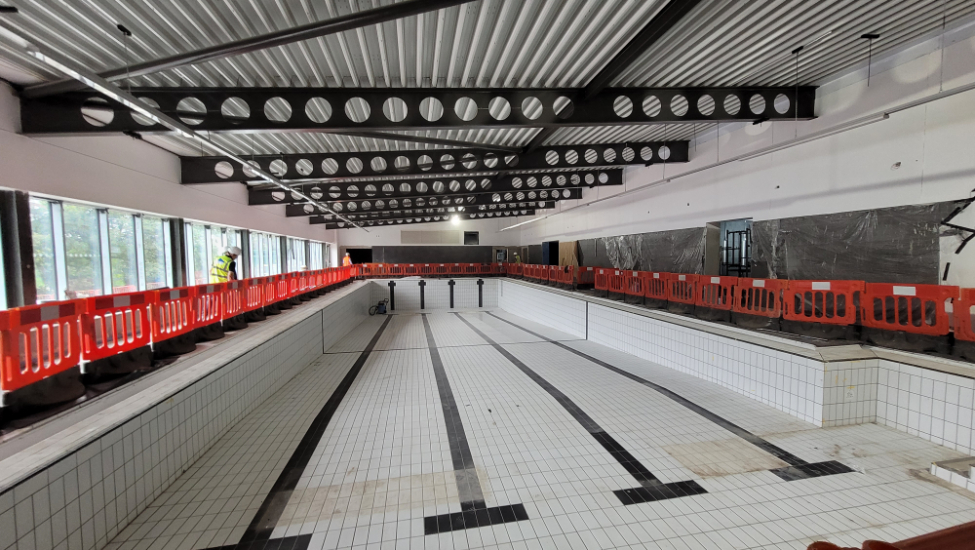
Construction had reached about 45 % complete when ISG went under. After appointment of the new contractor, work re-started in January 2025. The official opening is scheduled for the 10th October 2025 when it will be re-opened under the new name, the Cath Thom Leisure Centre, in honour of a much-loved local figure.
Perhaps as impressively, the financial risks have been managed tightly: despite all the disruption, the projected overspend is minimal (about 1%), covered from existing council resources. This is in large part due to swift negotiation, effective value engineering and the collaborative working relationships that Alliance and its partners maintained throughout the crisis.
Lessons Learned & Broader Significance
A number of lessons have emerged from this situation, both for the leisure sector and for any organisation tasked with large-scale capital delivery under risk.
- Frameworks matter: The UK Leisure Framework (managed by Denbighshire Leisure Ltd) provided the vital flexibility to appoint new contractors quickly. Without such mechanisms in place, re-procurement could have dragged on, delaying everything and amplifying cost overruns.
- Client-partner relationships count: Alliance Leisure’s ability to reassure councils, maintain communication, secure buy-in from sub-contractors and other partners, and to keep stakeholders informed was critical. It was not enough simply to have technical capacity; trust and transparency were essential.
- Risk mitigation & agility: Quickly assessing which projects were most jeopardised, then acting to protect sites, staff, supply chains, was essential. Alliance and its partners moved fast to limit the damage from ISG’s exit.
- Commitment to quality and community: Even under pressure, the specifications for both projects have been maintained (or only modestly adjusted), particularly in their design of accessible facilities, environmental features (e.g. low/zero carbon technologies at Wilsons), and preserving outdoor amenities. These aren’t minor details; they matter for long-term sustainability and community use.
- Financial discipline: Minimising cost overruns has been central. Wilson’s small projected overspend is testament to careful cost control.
One Year On — A Strong Recovery Under Pressure
If you draw a line from ISG’s collapse in September 2024 to the current moment, the last year has tested Alliance Leisure in ways few could have predicted. But the verdict is that the “road to recovery” has largely succeeded.
Clay Cross Active stands as a delivered example of recovering from a major contractor collapse and still achieving the project’s original intent and community value. The Cath Thom Leisure Centre is now very close to opening, with design goals, community expectations and environmental ambitions largely intact; the modest overspend underlines that the crisis was handled with financial pragmatism. A further project to deliver the £38m Caerphilly Wellbeing Hub, which had been in pre-construction planning phases when ISG collapsed, has also seen construction being in May of this year which will deliver a huge local asset to the Caerphilly community.
Alliance Leisure’s performance over the past year demonstrates that, with foresight (for example, having the UK Leisure Framework in place), strong partnerships and responsive leadership, even large-scale infrastructure developments can survive severe shocks.
As ISG projects continue to be recovered, the lessons from this year will reverberate: agility, collaboration and community focus are more than buzzwords, they are the foundations of recovery and resilience.